Exile Archive Stories of Survival to Inspire You to Resist Injustice!
"Exile Archive Stories of Survival to Inspire You to Resist Injustice" is a living space where the courage of others becomes a force you can carry forward. Here, you walk beside those who endured displacement, erasure, and the slow violence of borders. Their stories are not distant histories; they are invitations for you to see, to feel, and to act. Each testimony opens a path toward clarity, reminding you that resistance begins with witness, and that your presence in this archive is part of a larger continuum of human dignity. You are not a passive reader here... you are addressed, included, and called into the work of refusing injustice in all its forms.
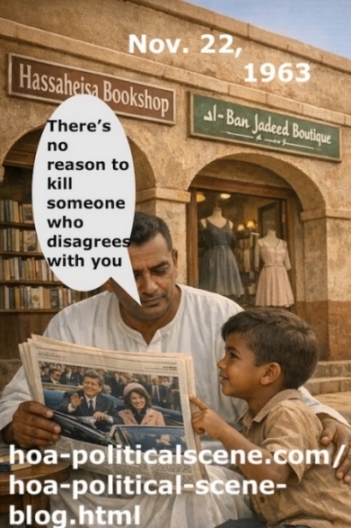 Exile Archive Stories of Survival to Inspire You to Resist Injustice: A photograph captures a 1960s city street during the daytime where a father is seated outside his boutique, reading the daily newspaper aloud to his young son. The bookshop and the boutique were the first shops in the city, and from this reading neighborhood the child grows. That child is me, and the man beside me is my father. He was shaken by the news that day. When I asked him what had happened, he explained gently, then added the sentence that became my first ethical lesson: "There’s no reason to kill someone who disagrees with you." The front page showing a large, clear photograph of President John F. Kennedy and First Lady Jacqueline Kennedy riding in an open‑top limousine, waving to the crowd. The date was November 22, 1963, the day Kennedy was assassinated.
The picture on the newspaper is not the actual one from the moment of the shooting; that image, the one burned into memory, cannot be illustrated here because it depicts violence. This scene captures the moment when a father tried to shield his child from brutality while still teaching him the meaning of dignity, disagreement, and the cost of hatred.
If this calls your conscience and ethics, then embrace this human rights and justice rendezvous for better future for all of those who are living in hard times of conflicts across borders, discrimination, dull politics, gender issues, human erasure, human rights violations, injustice, privacy violations, psychological destabilisation, sovereignty attacks and wars.
✊ Section One - The Call of Survival
Stories That Meet You Where You Stand
You arrive here not as an observer but as someone already carrying questions, wounds, or a quiet sense of responsibility. The stories gathered in this space meet you at that threshold. They do not ask you to admire survival from a distance; they ask you to feel its weight, its cost, and its astonishing clarity.
Each narrative opens a door into a life interrupted by borders, war, discrimination, or the slow erosion of dignity. And as you step through, you begin to sense how survival is not only an act of endurance but an act of defiance - a refusal to disappear. You will indeed become aware from these survival stories that you should not allow anyone to make you disappear. You get strength.
These stories speak to you directly because they were lived by people who refused silence. Their courage becomes a mirror for your own. You are invited to listen with care, to hold their words with respect, and to let their resilience shape the way you see the world. In this archive, survival is not a distant phenomenon; it is a force that reaches toward you, asking you to recognize your place in the ongoing struggle against injustice.
⃩͆͆ Bridge to the Survival Vignettes
Three lifetime moments in one:
- a moment of childhood,
- a moment before exile,
- a moment of exile.
The first realization that disagreement should never cost a life (1963).
The first encounter with politics, with a military dictatorial system, with a religious‑military one.
- The first escape.
- A border crossed.
- A silence survived.
- A truth carried forward.
This is where my story begins and where yours meets it.
For deeper experiences connected to this section, continue after the nine sections.
🌵 Five Threshold Vignettes of Survival
1. A Childhood Interrupted
There was a moment when the world you knew collapsed without warning, and you learned too early that safety can vanish in a single breath. You carried that rupture with you, not as a wound alone, but as a compass that taught you how to read danger, how to protect others, and how to keep moving even when the ground beneath you broke open.
The first ethical lesson
A father sits outside his modern boutique in the 1960s, reading the newspaper aloud to his young son, who came normally from his elementary school to have breakfast with him between 9.30-10:30 am every 5 weekdays. Their shop and the neighboring bookshop were the first in the city; this is the neighborhood where the child grows his listening and reading, sensing deep facts like the ones his father told him while reading bad news.
That child is me. On November 22, 1963, my father was shaken by the news of President John F. Kennedy’s assassination. When I asked him why, he gave me my first ethical lesson: "There's no reason to kill someone who disagrees with you." The newspaper he holds shows Kennedy and Jacqueline in their car... a safe image replacing the violent one burned into memory.
2. The Border That Tried to Erase Me
Inside Home
I stood before a line drawn by someone who never knew my name, a line meant to deny my existence, because I was not aligned myself to his military dictatorial system. Or maybe he knew my name because he either read it in their literary sections in their dictatorial system newspaper, or heard it from reports about me me teaching them history lessons fro my mind during the time I was a teacher.
Just few days before I took my foot out of there, I stood before him to tell him facts outside his office of the minister of information while he was acting a minster: I know whom you are concerned to employ professionally in your system's newspapers. You employ those who align themselves with your system, but not one like me, as if this land is not my homeland and I will not live here any more. I am living it to you.
He was about to take his car home and there were few officials of Gaafar Nimeiry's system waiting with him, including the manager of his office, one of the editors in chief in the Radio and Television Magazine, where I published my short stories and one of the first women in the system whom she had a column in a newspaper in which I wrote once a commentaries on her column. She was pretty and attractive like fire.
One of my acquatices who was standing on the second floor just above the minister's office heard my wards and when I turned to leave the ministry, I saw him waving urgently. I climbed up to him. He looked at me and said:
"Are you insane? You must disappear immediately."
But that Sudanese expression carries a completely different weight, a different temperature, a different urgency. It's literary symbolic, not polished, not diplomatic. It's the kind of sentence a man says when danger is already in the room.
Here is what he said in Sudanese:
"شوف ليك أرضاً تبلعك."
“Are you insane? Find yourself an earth that can swallow you."
I followed his advice.
Yet I crossed it, not only with my body, but with my voice, my memory, and my refusal to disappear. That crossing became a declaration that no border can contain a human life. This was a border inside what has been once my homeland that is not found in today's geographical facts and not even in real political democratic facts, but they still ignorantly call it Sudan. There is no SUDAN, people... it just disappeared by international, internal and regional conspiracies.
In the Diaspora
3. The Silence I Survived
There were years when speaking the truth carried a cost too heavy to bear. I learned to survive inside silence, to hold my story and yours indeed like a hidden ember. And when the moment came to speak, my voice did not tremble. It rose with the force of everything I had endured.
4. The Exile That Reshaped Me
Exile did not end my story; it remade it. I learned to build a life from fragments, to create belonging where none was offered, to carry my lost homeland inside me like a pulse. What was meant to break me became the ground on which I stood taller.
5. The Return to Myself
After years of displacement - geographic, emotional, spiritual - I found my way back to the person I were always meant to be. Not unchanged, but transformed. Not restored, but expanded. Survival became more than endurance; it became a way of seeing, a way of living, a way of insisting on dignity.
👦🏼 What Point 1 "A Childhood Interrupted" Means for You?
You may think this is only my childhood, my rupture, my father reading the news aloud in a small shop in the 1960s. But this moment is not mine alone. It speaks to you because every life begins with a belief in safety and every adult carries the memory of the moment that belief cracked.
You, too, have lived a version of this:
- a moment when the world shifted too fast.
- a moment when innocence ended.
- a moment when you realized that harm can arrive without reason.
- a moment when you learned that disagreement can be punished.
My father's lesson: "There’s no reason to kill someone who disagrees with you" is not a political statement. It is a universal ethical compass. It is the first time a child understands that violence is not natural, not inevitable, not justified.
This matters to you because:
- it reminds you of the first time you learned what is right.
- it calls you back to the origin of your own moral clarity.
- it shows how early experiences shape the way you read danger.
- it reveals how childhood fractures become adult ethics.
- it invites you to remember the moment your own compass was formed.
My childhood interruption is simply one example of how a human being becomes someone who refuses erasure... someone who witnesses.
🏘️ Why "Inside Home" in Point 2 Matters to You?
🏡 1. Because "Inside Home" is not about geography, it's about origin
When you sees "Inside Home," you are not thinking of your country. You are thinking of your own beginnings:
- where you first learned fear.
- where you first learned dignity.
- where you first learned to resist.
- where you first learned that authority can wound.
Your story becomes a mirror.
You care because just like everyone who has a "home" where something shaped them, even if the scale is different.
🌱 2. Because survival inside home explains the wound that follows me or you into exile
If I or you only tell the diaspora story, other readers see the wound after it happened.
But "Inside Home" shows:
- the first fracture.
- the first erasure.
- the first border.
- the first moment you understood danger.
It gives you the root system of your exile and mine too. The suffering connects us in this pain.
Without this, the diaspora story floats.
With it, the diaspora story becomes inevitable.
✊ 3. Because your personal survival becomes a universal pattern, just like mine
You don't care because it happened to you only.
You care because it reveals a pattern many people recognize:
- how systems erase people.
- how authority punishes difference.
- how borders begin long before you cross them.
- how a person becomes a witness.
Your survival becomes a case study in human resilience, not a private memory.
💑 4. Because "Inside Home" gives you emotional stakes
When you or another reader sees what you risked before exile: the confrontation, the danger, the warning, they understand:
- why you had to leave?
- what you carried with you?
- what you lost?
- what you refused to surrender?
It makes you invested in your journey.
🙌 5. Because it prepares you for the ethical lesson
My archive is not a diary.
It is a witnessing ecosystem.
"Inside Home" is where you learn:
- how borders are drawn?
- how erasure begins?
- how a person becomes a witness?
- how survival becomes an ethical stance?
This is not personal nostalgia.
It is moral architecture.
🍎 Why should this matter to you?
Because the border that tried to erase me inside home is not mine alone. You and every reader carry a place where they first learned fear, first learned resistance, first understood that authority can wound. My story is only one example of how erasure begins long before exile. To understand the diaspora, you must first understand the wound that made departure necessary.
🌴 What Point 3: "The Silence I Survived" Has for You?
You know silence too, not the peaceful kind, but the kind that presses on your chest and teaches you to swallow your own voice. My silence may not be your silence, but you have lived moments when speaking felt dangerous, or useless, or impossible.
What I survived reminds you that silence is not emptiness; it is a place where you learned endurance, where you learned to listen to yourself, where you discovered the strength that grows in the dark. You carry your own version of that survival, and it has shaped the way you move through the world.
🆘 What Point 4: "The Exile That Reshaped Me" Has for You?
You may never have crossed a border with your body, but you have crossed borders with your life. You have been pushed out of places where you once belonged, or forced to rebuild yourself in unfamiliar terrain. Exile is not only geography; it is any moment when the world you knew no longer held you. My exile speaks to you because you, too, have had to become someone new after losing what once defined you. You know what it means to start again with nothing but your own name.
😁 What Point 5: "The Return to Myself" Has for You?
You have also returned to yourself after being scattered. You know the quiet work of gathering the pieces of your life, the slow recognition of who you were before the world tried to reshape you. My return is only one example of a universal journey: the moment when I stop running, stop hiding, stop shrinking, and step back into the person I were meant to be. You have done this in your own way, and you will do it again. The return to oneself is never final, it is a lifelong practice, and you already know its path.
👁️ Section Two - The Work of Witness
When You Listen You Become Part of the Survival Story
When you enter these stories, you are not standing outside them. You are stepping into a shared field of memory where survival becomes a form of testimony. Each account you encounter asks something of you: attention, patience, and the willingness to hold another person's truth in your soul, in your heart, in your mind without turning away. This is the quiet work of witness, and it is one of the most powerful forms of resistance you can offer.
You may find echoes of your own experiences here, or you may meet realities far from your own life. Either way, the act of listening becomes a bridge. It connects you to those who endured violence, displacement, or the slow suffocation of injustice.
Their words reach toward you, asking you to recognize the human cost of systems that erase, exclude, or silence. And in that recognition, something shifts. You begin to understand that witness is not passive. It is a force that unsettles indifference and interrupts the machinery of harm.
In this archive, your presence matters. You are not here to consume stories; you are here to carry them. You become part of the continuum that refuses to let suffering be forgotten or normalized. By listening, you join a lineage of people who believe that dignity must be defended, that memory must be protected, and that injustice must be confronted wherever it appears.
🌟 If you want to enter the deeper rooms behind this moment, you will find them after the nine sections.
✊ Section Three - The Shape of Resistance
How You Carry These Survival Stories Into the World?
Resistance does not begin with grand gestures. It begins with the quiet shift that happens inside you when a story refuses to leave your hands. As you move through these accounts of survival, you start to feel how each one unsettles the narratives that power tries to impose. You begin to see the fractures in systems that claim inevitability. And in that seeing, resistance takes its first breath.
You are not asked to imitate the struggles you encounter here. You are asked to let them sharpen your awareness. When you witness how someone survived erasure, exile, or discrimination, you learn to recognize the smaller violences that appear in your own surroundings. You learn to name them. You learn to refuse them. This is how resistance grows, not as an abstract ideal, but as a daily practice shaped by the stories you choose to carry.
In this archive, resistance is not a distant political concept. It is a lived, intimate act. It is the moment you decide not to look away. It is the moment you speak when silence would be easier. It is the moment you recognize that your voice, your presence, your choices matter. The stories you meet here do not ask you to be a hero. They ask you to be awake. They ask you to be accountable. They ask you to stand where dignity is threatened and say, simply and clearly, not this time.
The deeper chambers linked to this section open only after the nine sections.
🌍 Section Four - Across Borders and Beyond Silence
How You Stand With Others Even When You Are Far Away?
Borders are designed to separate you from the lives of others. They draw lines that claim to define who belongs, who is protected, and who can be forgotten. But when you enter these stories, you cross those lines. You step into a space where distance dissolves and where the suffering of another person becomes something you can no longer ignore.
🤝 This is the beginning of solidarity, not as a slogan, but as a lived recognition that your freedom is tied to the freedom of others.
You do not need to share someone's geography to share their struggle. When you listen to a story of exile, you carry its truth into your own world. When you witness discrimination or erasure, you begin to see how these forces operate in the places you inhabit.
And when you refuse to accept them, even in small ways, you are standing with those whose voices were pushed to the margins. Solidarity is not measured by proximity; it is measured by the courage to act with clarity and compassion.
In this archive, you are invited to move beyond silence. You are asked to recognize that injustice anywhere is a signal that reaches you, even across oceans and borders. You are part of a larger human field... one that stretches beyond nations, beyond identities, beyond the narrow definitions imposed by power.
When you choose to stand with others, you are not performing charity; you are honoring a shared dignity that refuses to be divided.
If you wish to explore the fuller story behind this point, the deeper pages await you after the nine sections.
🦋 Section Five - The Transformation of Meaning
How These Survival Stories Change the Way You See Yourself and the World?
As you move deeper into these stories, something subtle begins to shift inside you. Survival is no longer just an account of what others endured; it becomes a lens through which you start to understand your own position in the world.
You begin to see how meaning is not fixed. It changes as you listen, as you reflect, and as you allow these narratives to settle into your own life. This is the quiet transformation that happens when you open yourself to the truth of another person's experience.
You may find that certain survival stories stay with you long after you leave this page. They return in moments of doubt, in moments of clarity, or when you encounter injustice in your own surroundings.
They remind you that resistance is not only an external act but an internal reorientation... a way of seeing that refuses to normalize harm. When you allow these stories to reshape your understanding, you begin to carry a different kind of awareness, one that is grounded in dignity, empathy, and the refusal to look away.
This transformation is not dramatic. It is steady, patient, and deeply human. It teaches you that meaning is not something you inherit; it is something you create through the choices you make and the truths you are willing to hold.
🎉 In this archive, you are invited to let meaning evolve, to let it guide you toward clarity, and to let it strengthen your commitment to resisting injustice wherever you encounter it.
The more detailed experiences linked to this section open only once you reach the end of the nine sections.
📂 Section Six - The Living Archive
How You Become Part of What This Space Protects?
An archive is not a static collection of documents. It is a living field shaped first by its creator and second by the people who enter it, the stories they carry, and the meanings they allow to grow inside them.
When you step into this space, you are not simply reading about survival; you are participating in the ongoing work of preserving dignity against forces that try to erase it. Your presence here matters because every act of witness strengthens the archive's ability to resist forgetting.
You bring your own history with you: your questions, your memories, your uncertainties. And as you move through these stories, they begin to resonate with your own experiences in ways you may not expect. This resonance is what keeps the archive alive. It is what transforms it from a repository of suffering into a sanctuary of clarity, courage, and shared humanity. You are not just receiving meaning; you are helping to create it.
The Exile Archive grows through the connections you make, the truths you refuse to ignore, and the commitments you carry back into your own world. Each time you return, you bring new understanding, new questions, and new strength.
This is how the archive breathes. This is how it continues to resist. And this is how you become part of a lineage of people who believe that memory is a form of protection and that justice begins with the refusal to forget.
You will find the deeper layers of this moment gathered after the nine sections, ready when you are.
🆘 Section Seven - The Roots You Help Nourish
How Your Presence Gives the Archive Its Future?
Every archive has roots, but not all archives are alive. The Exile Archive grows because you enter it with openness, because you allow these stories to take hold in the soil of your own experience. When you listen with care, you become part of the root system that keeps memory from collapsing under the weight of erasure.
You help anchor the truths that power tries to bury. Your attention becomes nourishment, allowing the archive to deepen rather than fade.
These roots reach in many directions. They stretch toward the past, holding the lives and struggles of those who survived displacement, violence, and injustice. They stretch toward the present, grounding you in the clarity that comes from witness. And they stretch toward the future, carrying the possibility that you will act differently, speak differently, or refuse silence when it matters most.
This is how the archive grows... not through accumulation, but through connection.
You are part of this growth. Each time you return, you strengthen the roots. Each time you share a story, reflect on a testimony, or carry a truth into your own world, you extend the life of the archive beyond its pages. You help ensure that survival is not forgotten, that witness is not abandoned, and that resistance continues to take new forms.
The archive does not exist without you. It breathes because you breathe with it. It grows because you choose to stand with it.
If this section stirs something in you, the extended experiences continue after the nine sections.
🌴 Section Eight - The Canopy of Possibility
How Your Actions Extend the Archive Into the World?
When you reach this point, you are no longer standing at the edge of the archive. You are standing beneath its canopy... the place where survival stories, memories, and acts of resistance gather into something larger than any single life.
🌳 This canopy is not made of leaves or branches; it is made of choices. It is shaped by the ways you decide to carry what you have learned into the world beyond this page.
Every time you speak against injustice, every time you refuse silence, every time you protect someone's dignity, you extend the canopy. You create shade where harm once stood exposed. You create shelter for those who are still searching for safety. You create space for others to breathe, to heal, and to be seen.
This is how the archive grows upward through the actions you take inside this place and after you leave it.
You may not always see the impact of what you do. Resistance often moves quietly, like light filtering through branches. But your presence, your clarity, and your refusal to look away create ripples that reach farther than you realize. The stories you have encountered here become part of your voice, your decisions, your way of standing in the world.
And through you, the archive continues to rise, offering protection, truth, and possibility to those who are already here and to those who come after.
The canopy is not complete. It is always becoming. And you are one of the forces shaping its future.
The deeper chamber behind this point is placed after the nine sections, so your reading flow remains unbroken.
♻️ Section Nine - Your Place in This Continuum
How You Carry the Archive Forward With Every Choice You Make?
By the time you reach this point, you have walked through stories of survival, witness, resistance, solidarity, and transformation. You have stood beneath the roots and the canopy of a living archive that grows through the courage of those who survived and the attention of those who refuse to forget.
Now the question is no longer what these stories mean... it is what you will do with them.
You are part of this continuum. Not as a distant observer, but as someone who has allowed these truths to touch you, unsettle you, and sharpen your sense of justice. The archive does not end when you close this page. It continues in the choices you make, the conversations you enter, the silences you refuse, and the dignity you protect in your own world.
Every act of clarity you take becomes another thread in the fabric of resistance that stretches across borders and generations.
You do not need to be perfect. You do not need to be heroic. You only need to remain awake, to carry the stories you have encountered here with honesty and care. When you do, you become part of the force that keeps memory alive, that challenges injustice, and that insists on a future where no one is erased.
The Exile Archive is not complete without you. It grows because you choose to stand with it, to learn from it, and to act in the world with the clarity it has given you.
This is your place in the continuum. This is how you carry the archive forward.
A simple gesture is to post this url https://www.hoa-politicalscene.com/exile-archive-stories-of-survival-to-inspire-you-to-resist-injustice.html everywhere... You can even printed on one of the Exile pictures and distribute it offline everywhere.
The deepest interaction, is to share your survival story, or the survival stories of those who encountered or are still encountering the same erasure and silencing you read here.
The Exile Archive Stories of Survival Enter Dynamics!
Across the nine sections, you've encountered the foundations: the testimonies, the systems, the questions that shape how we understand injustice and possibility. But foundations alone do not change the world. To move from understanding to action, we step into dynamics... the living forces that reveal how power shifts, how resistance grows, and how you can position yourself within your new social movements. This is where your role begins. The ecosystems created by the founder of the Archive of Truth In Exile are your guides to build your world.
HOA's Exile Archive Stories of Survival to Inspire You to Resist Injustice - How to resist human rights violations, and injustice? Video lessons: Episode 11:Exile Archive Stories of Survival to Inspire You to Resist Injustice - When Justice Narratives Favor a System That Produces Injustice
Exile Archive Spine of Meaning!
What anchors the Exile Archive Spine of Meaning is the moment testimony stood alone, refusing erasure & forming the structure that holds every resistance upright.
Exile Archive Practical Philosophy Paves the Way to Social Movement!
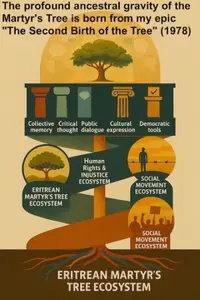
Exile Archive Practical Philosophy was in the Eritrean Martyr's Tree. It was initiated from the plant, grew from the ground with its trunk, branches & leaves.
Exile Archive Five Pillars Structural and Operational!
Exile Archive Five Pillars Structural and Operational! They function as both structure and practice, turning the archive’s public architecture into living, operational pathways.
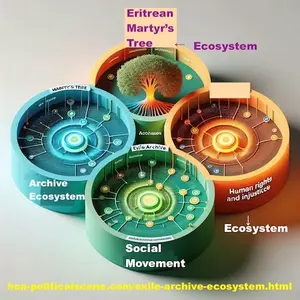
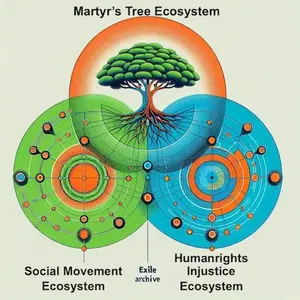
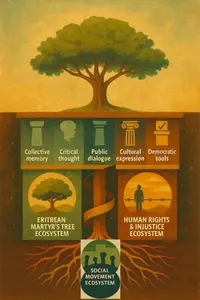
Exile Archive Stories of Survival to Inspire You to Resist Injustice - How a Dynamic Archive Becomes a Catalyst for Social Resistance?
Exile Archive Action Guide Builds the Grassroots of Social Movement!
Exile Archive Action Guide Builds the Grassroots of Social Movement! It's the basics to solve crises, conflicts, economy, human rights violations & injustice.
Exile Archive's Living Map - A Tree of Life! How It Changes Life?
Exile Archive's Living Map - A Tree of Life! It changes lives. A rooted journey from witness & creation to insight, guiding your path through life.
Exile Archive's Living Map - Tree of Creation for Meaning Changes Life
Exile Archive's Living Map - Tree of Creation for Meaning Changes Life: Reflect, inspire new work & deepen your journey through exile & witness.
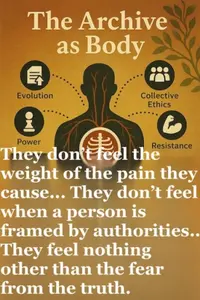
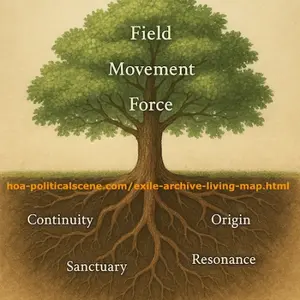
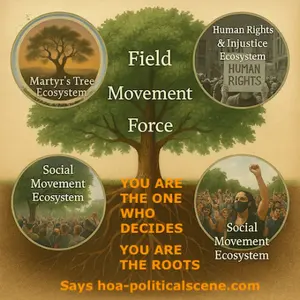
Exile Archive Stories of Survival to Inspire You to Resist Injustice - From an Eritrean Martyr's Tree, an Archive of Truth in Exile Emerges
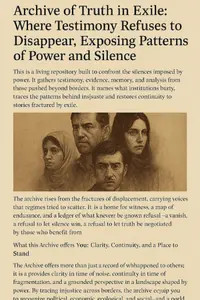
Archive of Truth in Exile: A Living Record of Power and Witness!
The Archive of Truth in Exile: Mapping silence, power, and survival. Testimony against erasure. Making an archive a living witness for you to claim justice.
Archive of Truth in Exile - Testimony Matters!
Archive of Truth in Exile - Testimony Matters: A foundational document on witness, erasure, and the moral architecture guiding the entire archive & raising societies.

Exile Archive Stories of Survival to Inspire You to Resist Injustice - Where Dynamic Archives Evolve into Poetic Movements
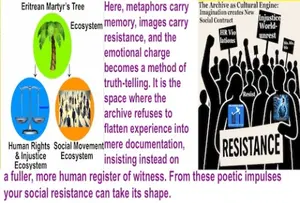
Exile Archive Imagery Poetry Hub! How Social Resistance Becomes Poetic
Exile Archive Imagery Poetry Hub explores emotional and political poetry revealing exile's origins and early instincts that sharpen your political vision.
Exile Archive Voices Become Frontlines: Art & Literature for Justice!
Exile Archive Voices Become Frontlines: Art & Literature for Justice! The basics of the social movements voices are simple & the archive empowers the vulnerable.
Exile Archive Stories of Survival to Inspire You to Resist Injustice - How a Dynamic Archive Confronts Injustice in Denmark and Becomes a Blueprint for Global Resistance?
Are Odense Municipality, CIVICA Housing Company & the Police Corrupt?
Are Odense Municipality, CIVICA Housing Company & the Police Corrupt? More than seventy years of foreigners presence in Denmark has corrupted Denmark.
What the Heck are Human Rights Organizations and the UNHCR Doing?
What the Heck are Human Rights Organizations and the UNHCR Doing is a serious question these organisations should think about before losing any credibility and transparency.
In Denmark They Violate Human Rights for Money
In Denmark They Violate Human Rights for Money! This is a real time report you can call real life story that expose privacy and thus human rights violations in Denmark.
Is the Law Paralyzed Resulting in Injustice in Denmark?
Is the Law Paralyzed Resulting in Injustice in Denmark? This question exposes how some people from a specific culture can make things worse, when they are employed in the police forces.

Exile Archive Stories of Survival to Inspire You to Resist Injustice - How More Than Five Million Eritrean Martyr's Trees Rooted the Archive of Truth in Exile?
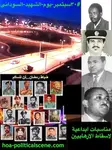
Sudanese Martyr's Day to Make Your Revolutionary Day!
The Sudanese Martyr's Day is a day created by journalist Khalid Mohammed Osman every month, every year to celebrate a Sudanese martyr.
Sudanese Martyr's Actions to Celebrate Martyr's Anniversaries & Revolt
The Sudanese Martyr’s Actions are planned to set you free by participating in martyrs’ anniversaries, and becoming organizer to defeat the totalitarian regime.
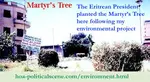
5,000,000 Martyr’s Trees Enhance Global Environment!
Khalid Osman's Eritrean Martyr’s Tree invention accomplished planting of 5,000.000 Eritrean martyrs trees & cleaned environment from chemical weapons & mines.

Sudanese Martyr’s Feast to Celebrate Sudanese Martyr's Feats & Revolt!
The Sudanese Martyr’s Feast is a day created by journalist Khalid Mohammed Osman every month, every year to celebrate Sudanese martyrs by planting Martyr’s Tree
Sudanese Martyr’s Tree Posters to Decorate Your Public Place!
The Sudanese Martyr’s Tree Posters for martyrs families & Sudanese opposition campaigners and rallies to use in their camp to conquer the tyrants of Sudan.
Sudanese Martyrs’ Plans to Plant Martyrs’ Trees and Setup Revolution!
The Sudanese Martyrs’ Plans are prepared by activist Khalid Mohammed Osman to carry on social activities to plant martyrs trees everywhere to setup revolution.


Sudanese Martyr's Tree to Plant & Motivate People to Revolt!
The Sudanese Martyr’s Tree, as the Eritrean Martyr's Tree is created by veteran activist and journalist Khalid Mohammed Osman to set the fire of the revolution.
Sudanese Martyr’s Tree Project to Make the Revolution Right!
Sudanese Martyr’s Tree Project planned by activist & journalist Khalid Mohammed Osman to know in details how to carry this project and make revolution right.

Exile Archive Stories of Survival to Inspire You to Resist Injustice - The Deep Swirl of Forces Beneath Rising Conflicting Political Waves
Global Dynamics are a Worldwide Projected Plans to Save the world!
The Global Dynamics are attracted by climate change and its outcome like epedimcs, along with many natural, economical and human crises that affect the world.
International Dynamics to Repair the Globe!
International Dynamics are planned to repair the globe and renovate the ecosystem to sustain climate, and to abolish classic systems and launch the mass systems.
Khalid Mohammed Osmans Dynamics Are Yours to Save Our Planet!
Khalid Mohammed Osmans Dynamics combined with systematical units ensure building the systems of the masses and launching the era of the masses.
Dynamic Revelation That Saves You and the Globe!
Dynamic Revelation expresses how reaching dynamics concerning the world's masses can solve worldwide problems and save you and the globe.
Dynamic Minds Help You Build a Mind that You Can Say It's Dynamic!
Dynamic Minds help you grow a mind that you can say it's dynamic. They also make you active to enlighten others & energize them to solve global problems.
HOA's Exile Archive Stories of Survival to Inspire You to Resist Injustice - Ink Therapy: The Healing Power of Writing From Hannover to the World! #Wellness_Travels_3079.
Exile Archive Stories of Survival to Inspire You to Resist Injustice - Through the Editorial Pulse Driving the Dynamics of Press Media 1 & 2
Intelligentsia 56 Makes You More Brilliant to Make Your World Better!
Intelligentsia 56 is brilliant. So, you are. It develops the way you are thinking to be brilliant more and make your world better.
Intelligentsia 57 Captures Your Mind to Make You Intuitional!
Intelligentsia 57 captures your mind to develop your thinking capacities, so you can see what's wrong in the world and make it right.
Intelligentsia 58 Opens Your Mind into the Late Eighties Up to Now!
Intelligentsia 58 opens your mind into the period from the late eighties until now and rebuilds the capabilities of your mind, so you can see what's gone wrong with the world.
Intelligentsia 59 Shows You How to Ally Yourself with Socialism & Why?
Intelligentsia 59 Shows You How to Ally Yourself with Socialism. Is it because it's Humane & we're all humans, or what? A process to rebuild your mind capability to save yourself & the world & rebuild it.
Intelligentsia 60 Actions to Do When World Crises Knock on Your Door!
Intelligentsia 60 Actions to Do When World Crises Knock on Your Door! World crises reflect at home, unfolding how to act globally, think locally.

When you read these editions of Intelligentsia Newspaper, I bet you will not resist the temptation to subscribe to it 😁
Exile Archive Stories of Survival to Inspire You to Resist Injustice - Explore What Ethics the International Media Forget & the Ethics You are Fighting For!
How Does Political Illusion of Mass Media Deteriorate our World?
The Political Illusion of Mass Media is a political game played by the power of the capital in regimes that deteriorate the world. Do you know how to manage it?
Intelligentsia Multimedia Newspaper Revolutionizes Knowledge!
Intelligentsia Multimedia Newspaper revolutionizes knowledge. It develops your mind prudently to know the real reasons of world disasters & teaches you how to tackle them.
Principles of Press Media that Make You a Professional Journalist!
What are the Principles of Press Media that Make You a Professional Journalist? They are ethical and professional. You should know them, before even thinking of doing journalism.
Citizen Journalism Can Save the World From Political Catastrophes!
Citizen Journalism Can Save the World From Political Catastrophes! How can CJ save the world from political catastrophes?
Ethical Journalism Combats Dominant Narratives! Your Pen is Authority!
Ethical Journalism Combats Dominant Narratives! Press freedom is essential, as long as the press is the fourth power that focuses on the truth. You're powerful


HOA's Exile Archive Stories of Survival to Inspire You to Resist Injustice - Penning Peace: How to Write Poetry & Relieve Stress from Hannover to the World? #Wellness_Travels_3081.
Exile Archive Stories of Survival to Inspire You to Resist Injustice - How to Craft a Short Story?
How to Write a Short Story? Use the Guidelines of HOA Political Scene!
How to Write a Short Story? Discover new concepts in the short story writing and get the guidelines from the lessons, which are explained in texts and videos.
Learn Short Story Writing Techniques on HOA Political Scene!
Short Story Writing Techniques to learn from text & videos to write short stories & even be a short story critic... sensational and easy on HOA Political Scene.
Short Story Insights to study & Become a Writer on HOA Political Scene
Inside the Short Story to discover and learn the elements and the essentials of short story! The video-learning gets is clear and easier to become a good writer.
Journaling Emotional Well-being: Strength, Survival & Thriving!
Journaling Emotional Well-being: How Journaling can be more than just a physicological process for anxiety, depression & stress relieve?
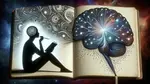
Exile Archive Stories of Survival to Inspire You to Resist Injustice - How Short Stories Transform Constraints into Creative Power: Arabic Political Examples
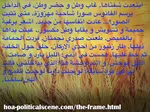
The Frame, Arabic Story البرواز - قصة قصيرة، للقاص خالد محمد عثمان
The Frame, short story by Khalid Muhammad Osman published on 1893 in Kuwait. البرواز، قصة قصيرة باللغة العربية للقاص خالد محمد عثمان Learn to write stories.
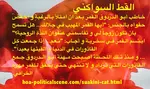
The Suakini Cat, Short Story in Arabic By Khaled Osman!
he Suakini Cat is a short political story by Khaled Mohammed Osman. القط السواكني قصة ذات مفاصل سياسية للقاص خالد عثمان The Suwakini Cat is a good read.
Arabic Short Story - اشرب الآن آيها الزعيم! Drink Now, Dear Boss!
Arabic short story إشرب الآن أيها الزعيم I wrote in the 1980s while I was an editor in the cultural & literary section of the Kuwaiti newspaper al-Watan.

Exile Archive Stories of Survival to Inspire You to Resist Injustice - When Narratives Collide, Where Will You Stand?
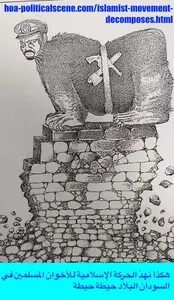
Islamist Movement Decomposes. Factual Facts of the Islamist Movement!
Islamist Movement Decomposes. This is clear to every modern and civilized mind. However, one question remains. Why this so called Islamic Movement is still controlling in some areas?
Conventional Narratives Hub Coverage From History to the Present!
Conventional Narratives Hub covers all narratives historically from the past to the present, whether they are economical, environmental, political, or social.
The Revolution I Would Not Sell!
The Revolution I Would Not Sell is a continuation to the unwritten system I have that proved to be working right! This system achieved planting 5 million trees to spark development.
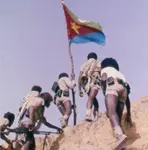
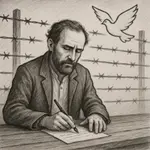
Ink Between Borders - Exile by Principles: Peace Unheard!
Ink Between Borders - Exile by Principles: Peace Unheard! An urgent reflection on exile, unrecognized peace & moral resistance in post-conflict narratives.
Has International Terrorism Disappeared?
Has International Terrorism Disappeared? A political project like this has many phases. It is likely when the first phase has been done, we see the 2nd, the 3rd, etc...


Exile Archive Stories of Survival to Inspire You to Resist Injustice - Why Survival Stories Reveal the Limits of Conventional Narratives?
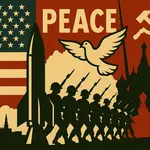
The Cold War Era: A Battle of Ideologies and Influence!
The Cold War Era: A Battle of Ideologies and Influence! In my opinion, the world was better and more stable than today's world. What do you think?
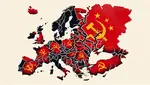
The Eastern Europe Socialist Bloc Fragmentation!
The Eastern Europe Socialist Bloc Fragmentation costs effectively until today. Are there any real causes of the deterioration of great counties in the world?
Conventional Narratives Are Always Wrong!
Why Am I Saying Conventional Narratives Are Always Wrong? Explore the connection of these narratives from colonial era until this era and know what to do!
Established Frameworks Invisible Forces Shaping Perception!
Established Frameworks Invisible Forces Shape Perception! The insights help you escape narratives that control your life & help others build a better world.
How Dominant Perspectives Shape Our World?
How Dominant Perspectives Shape Our World? Explore to know what to accept and what to refuse.


Exile Archive Stories of Survival to Inspire You to Resist Injustice - How Understanding HOA Dynamics Can Improve Your Life?
The Horn Africas Network is for the Horn of Africa's Friends to Meet!
The Horn Africas Network aims to help friends who are burning from the political disasters to come together, share political ideas, read for knowledge & unite.
HOA Indexes Some Sacred Literary and Political Stories!
The HOA Index Network indexes literary & political stories that may change the way you look to politics in your area & develop your life from such new look and feel.
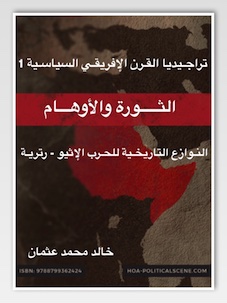
Horn Africas Political Tragedy As Seen On Apple iTunes To Fund Your...
Horn Africas Political Tragedy as seen on Apple iTunes to fund your tragedies! The book uncover the political tragedy in the Horn of Africa through decades of oppression. Every country is covered thoroughly, just to learn and know.


⛯ 🗺️ Closing - You Carry the Last Word
Your Journey Continues Beyond This Page
You have walked through stories shaped by survival, witness, resistance, and the quiet courage of those who refused to disappear. Now the archive places its final offering in your hands. What you choose to do with it becomes the next chapter... not only written here, but also lived in the world you return to. You carry the last word, and with it, the possibility of change.
You have walked through facts, not narratives.
What you read here is not a performance of memory, but the record of how a life resists erasure. These sections were not written to entertain you or to decorate the past. They were written to return the weight of experience to its rightful place in your hands.
Because now the last word belongs to you.
- You decide what these facts awaken in you.
- You decide what borders you recognize in your own life.
- You decide what silence you survived, what exile reshaped you, and what return you are still learning to make.
This archive never ends here, the meaning continues with you.
Your reflection is not an addition, it is part of the architecture.
The comments form you see waiting below is welcoming you to enter your survival story, or the survival stories of those you know, or further any story of displacement, erasure, gender issues, human rights violations, injustice and political schemes that target any state sovereignty in the world.
Have A Great Story About This Topic?
Do you have a great story about this? Share it!
Concerned about Conflicts Fact that Never Been Disclosed?
Get Horn Africa's Political Tragedy.
Recent Articles


-
HOA's Interval with Wisdom Nuggets of Inspiring Ethical Proverbs!
Sep 09, 26 04:59 AM
 HOA's Interval with Wisdom Nuggets of Inspiring Ethical Proverbs! You can see your ethics & the ethics of the surroundings clearly to develop & enhance your own.
 -
Intelligentsia 61 from Danish Injustice to American War Abortion of
Aug 29, 26 11:14 AM
 Intelligentsia 61 from Danish Injustice to American War Abortion of Iranian Revolution and Media Stupidity, world people fall into the trap of manipulation.
 -
When, Why and How the European Paradise Became Hell on Earth?
Aug 23, 26 10:20 AM
 When, Why and How the European Paradise Became Hell on Earth? This one in the dynamics will make your mind spin and reflect with clarity to address this matter.
Some Support is Appreciated so Much!
When I get a new information, or a good read, my conscience tells me to be obliged to whom has added a drop of knowledge with some values in my life by doing some good deeds to him. Some links here get me a little power to support some people in need, indeed, by paying my subscription to international human organizations I am part of their generous good deeds. Like this at Awassa.
A Friend in Need is A Friend Indeed!
How many times have you fallen like a mountain, because you were great with your inspirations, guidance and professional teaching and later on found some people you made professional drawn in luxuries and never cared about you?
A hand up is better than a hand down. Share a link of a page you liked in great sites, but please not FACEBOOK. I am a man of principles.
A Man is Known by the Company he Keeps!
True, don't you think so? I can tell you stories and stories about that. Can you tell me one in details with the original cultures of the world it refers to? Take the cultural section by a huge and write that in the comments form.
Healthy Citizens are the Greatest Asset any Country can have!
It's true. But, he didn't know what ill governance can do for healthy citizens, or how ill monarchies can bring healthy citizens into miseries, or why great powers play by the fates of so many healthy citizens in the world.
Know any similar situations where healthy citizens are broken by the ruling elites in any country? Bring that into readers' attention through the comments form at Are You Intellectual?
Global Dynamics to Make Everyone Intellectual
Look for the top 100 Google most searched terms globally in 2021. You will not find any single thing that any person looks for and wants to know about, or use in daily life, such as food, health, education, cinema, tv, news, developing qualities and qualifications, playing, traveling, and even what causes Coronavirus and other pandemics, which are real threats to all people lives etc... You will find only search terms used for top social media, Youtube, search engines and Amazon. Political illiteracy is what matters to me to educate. See Global Dynamics & signup for the newsletter.
Did you get any of my books from Apple Books?
Click here to tell me & get some free books. Fill the form.
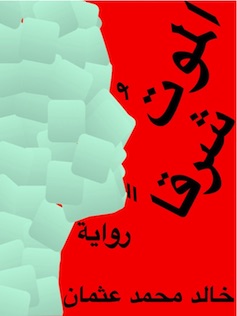
رواية "الموتُ شرقاً" تكشف لك سرّ الموت الشرقي التراجيدي المستمر للإنسان
احصل علي الرواية الآن واكتشف إنهيار القواسم المشتركة، واستلهم إبداعا يشبه الأسطورة في النص الروائي
"Follow", "like", "tweet", or "pin" the pictures to express your love! Thanks
TweetHorn Africa's Political Tragedy

Love in the Internet Time on Apple Books

Rising of the Phoenix Poetry on Apple Books

Free Poetry Picture Book
Free poetry picture book on Apple Books. You can use the images on public places for your customers to enjoy, while taking coffee.

The French & Spanish Versions
You can work the French versions and the Spanish versions of the two books above with me on, one on one bases. Contact Us.
HOAs Political Poetry Imaged
I'll be thankful, if you get one of my books.
My Books!