Exile Archive Voices Become Frontlines!
Exile Archive Voices Become Frontlines already carries a powerful charge. It signals a shift from the contemplative, imagistic first page "Exile Archive Imagery Poetry Hub" into a more outward‑facing, justice‑oriented chamber of the archive. You're moving here, dear loyal reader from imagery to agency, from witness to frontline presence. That's a beautiful architectural transition for you to keep resisting with others the human rights violations and the injustice everywhere... that's how to use my ecosystems worldwide in your social movement. Everything about this carries a historical philosophy developed through years of patience.
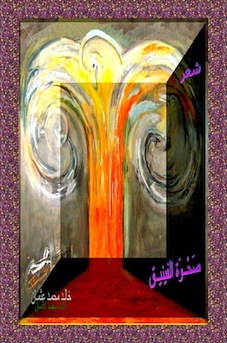
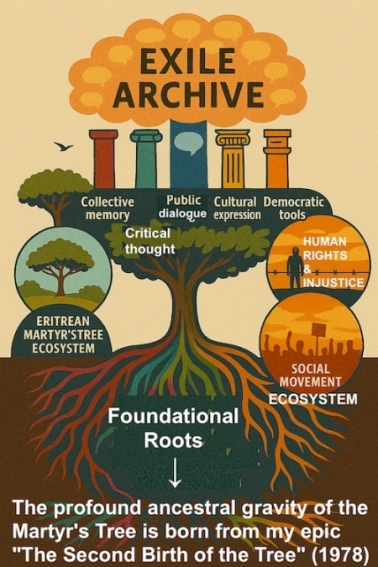
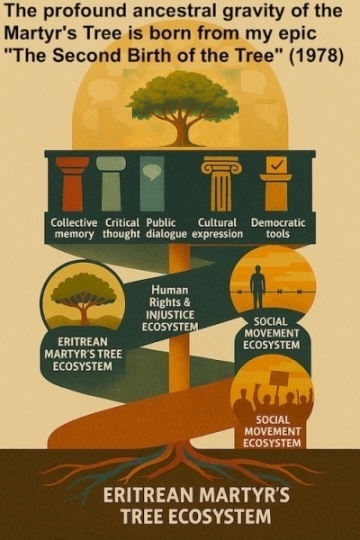 Exile Archive Voices Become Frontlines - Art & Literature for Justice: Illustrating the origin of ecosystems, the Eritrean Martyr’s Tree stands as the foundation for the pillars I have envisioned. It emerged from a deliberate creative process, conceiving the idea of the tree, giving it a name, and shaping the full plan that ultimately brought it to life. This journey became the source from which each pillar draws its purpose and meaning. The profound ancestral gravity of the Martyr's Tree is born from my epic "The Second Birth of the Tree" (1978)
Exile Archive Voices HAVE NOT Become Frontlines for ANY business and money making. The Exile Archive gathers the creative force of those pushed to the margins and brings their testimony forward. Here, art is not decoration but a form of presence... a way of standing where silence was expected, a way of insisting on visibility when erasure was the norm.
Exile Archive Voices Have Become Frontlines tracing how poems, stories, images, and lived memory become instruments of real justice. It honors the fragile beginnings of social movements - a single voice, a small truth, a refusal to disappear - and amplifies them into a collective frontline where vulnerability becomes strength and expression becomes action.
In other words, this work pays respect to the humble, fragile, often overlooked origins of collective change: the moment when a movement is nothing more than a single voice daring to exist.
🔥 Why "Voices Become Frontlines" empowers those people?
Because the Exile Archive:
Refuses to let early voices vanish -
- It treats the first whisper as historically significant, not disposable.
Transforms vulnerability into visibility -
- What was once a lone, precarious testimony becomes part of a collective chorus.
Builds a frontline out of beginnings -
- The archive doesn't wait for a movement to become large or recognized; it recognizes the frontline in the very first act of speaking.
Repositions the witness as a protagonist -
- Those who were once marginal - exiled, silenced, endangered - become the very architecture of resistance.
In other words, I am saying:
The archive honors the seed so it can become a forest-
- It honors the voice so it can become a frontline.
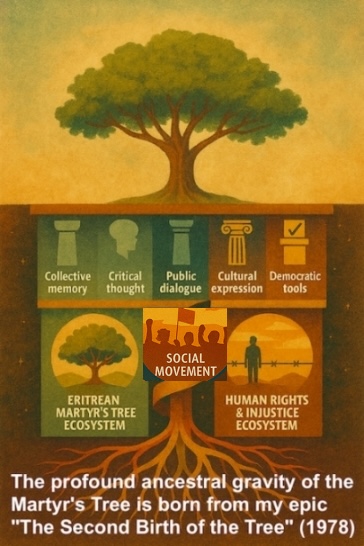 Exile Archive Voices Become Frontlines - Art & Literature for Justice: Illustrating the origin of ecosystems, the Eritrean Martyr’s Tree stands as the foundation for the pillars I have envisioned. It emerged from a deliberate creative process, conceiving the idea of the tree, giving it a name, and shaping the full plan that ultimately brought it to life. This journey became the source from which each pillar draws its purpose and meaning.
Where Voices Become Frontlines: How Literature & Art Sustain Movements for Human Rights and Justice?
The moment of real resistance:
Social movements do not emerge fully formed. They begin as murmurs: private doubts, quiet refusals, whispered truths. Long before a society reaches the point of public protest, its people have already been wrestling with conflicts, distrust, human rights violations, injustice and uncertainty in the realm of imagination.
Literature and the arts often become the first arenas where resistance takes shape, giving language to what is felt but not yet spoken aloud. They are the emotional and intellectual frontlines of human rights struggles.
I. When Institutions Fail, Art Steps Forward:
In many societies, traditional courts and state institutions become mechanisms of injustice rather than guardians of fairness. Some judicial systems bypass essential principles of due process, such as cross‑examination and instead rely heavily on the testimony of authority figures, even when those testimonies are false or politically motivated. This structural imbalance does more than produce wrongful judgments; it undermines the very idea of justice.
When official channels fail, people turn to alternative forms of truth‑telling. Art becomes a courtroom of conscience. Poetry becomes a cross‑examination of power. Memory becomes evidence. The creative realm becomes a refuge for truths that institutions refuse to acknowledge.
This is why resistance poetry (political poetry) often emerges from environments of repression. It is not merely a reaction to injustice; it is a parallel system of accountability.
II. The Archive That Breathes and Refuses Silence:
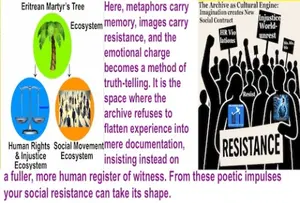
Archives are often imagined as static repositories: documents, dates, and facts. But in the hands of writers and artists, the archive becomes something alive. It refuses to flatten experience into bureaucratic record‑keeping. It insists on the fullness of human emotion.
In this creative space:
- Metaphors carry memory.
- Images carry resistance.
- Emotion becomes a method of truth‑telling.
Here, the archive is not a cold ledger of events but a living witness. It preserves not only what happened, but how it felt. It captures the tremor of fear, the pulse of hope, the weight of exile, the quiet dignity of survival. This richer register of witness is essential for social movements, because it restores humanity to those whom injustice tries to erase.
III. Intellectual Resistance as a Democratic Force:
Resistance to human rights violations can take many forms, but the most enduring is the intellectual resistance rooted in ideas rather than violence. This form of resistance draws strength from:
- Critical thinking,
- Public dialogue,
- Democratic tools,
- Collective memory, and...
- Cultural expression.
Intellectual resistance challenges impunity not with weapons, but with arguments. It exposes contradictions in official narratives. It mobilizes communities around shared values. It creates a moral vocabulary that allows people to articulate their grievances and aspirations.
This kind of resistance is slow, patient, and deeply transformative. It shapes the cultural soil from which political change eventually grows.
IV. Exile as a Catalyst for Creative Defiance:
Exile is not only a location out of your home. It can be even inside your homeland, when politics shifts into conflicts, distrust, human rights violations, injustice, terror and other traumas.
For many writers and artists, exile becomes both a rupture and a source of clarity. The poems pinned to an office wall before a forced departure, the articles published decades earlier, the unexpected arrival of a magazine from another continent like (Firkin wa Fann) these fragments of a life in motion become part of a larger story of resistance. My full story regarding this is at Exile Archive Imagery Poetry Hub!
Exile sharpens the understanding of injustice because it reveals the global patterns of repression and the shared struggles of displaced communities. It also expands the reach of resistance. A poem written in one country may resonate in another. A metaphor born in one language may find new life in translation. Art crosses borders even when people cannot.
In this way, exile becomes not only a personal journey but a contribution to a transnational archive of resistance.
V. Literature as the Moral Imagination of Social Movements:
Literature and art do not overthrow regimes by themselves. But they do something equally essential: they reshape the moral imagination of a society. They help people envision alternatives to oppression. They humanize the victims of injustice. They expose the cracks in authoritarian narratives. They give people the language to articulate what they feel but cannot yet express.
Movements for human rights and justice rely on this imaginative groundwork. Without it, political action becomes hollow: devoid of vision, empathy, or purpose.
Art gives movements their soul.
VI. The Emotional Architecture of Resistance:
Every social movement needs more than strategy; it needs emotional architecture. It needs stories that inspire courage, poems that sustain hope, songs that bind communities together. These emotional forms of expression do not replace political action... they fortify it.
- They remind people why they resist.
- They remind them who they are.
- They remind them what they deserve.
In this sense, literature and art are not luxuries of resistance; they are necessities.
Conclusion: Where Resistance Finds Its Form:
Social movements for human rights and justice draw strength from many sources: legal advocacy, community organizing, international solidarity. But their deepest roots lie in the creative expressions that give shape to collective memory and moral imagination.
- Where institutions fail, art speaks.
- Where archives fall silent, poetry remembers.
- Where injustice spreads, imagination resists.
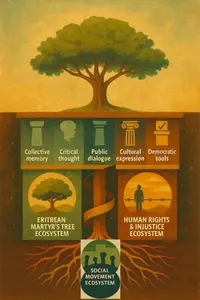
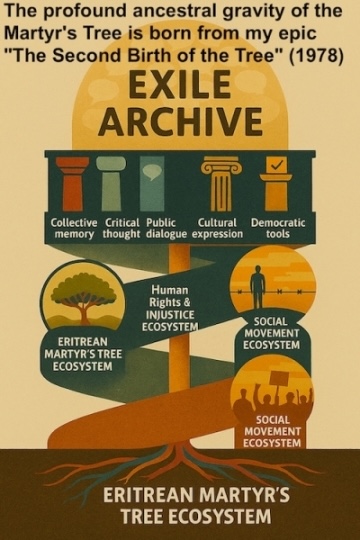 Exile Archive Voices Become Frontlines - Art & Literature for Justice: Following the Martyr’s Tree as the foundational symbol, the next layer emerges: the collective memory. From this shared reservoir of lived experience and inherited struggle, resistance takes form. It is within this continuum that the Exile Archive arises... voices carried to the frontlines, preserving, resisting, and reimagining. The illustration captures this evolution: from roots of sacrifice, to the memory that binds, to the voices that stand as the new vanguard.
Critical Thought as a Frontline of Resistance!
Critical thought is the first breach in systems that depend on silence. It teaches us to question inherited narratives, to read power against its own grain, and to recognize the quiet mechanisms that shape exclusion. When communities cultivate critical awareness, they reclaim the ability to name what harms them... and naming becomes the earliest form of defiance.
In the landscape of exile, critical thought turns observation into agency. It transforms lived experience into analysis, and analysis into collective clarity. This is where resistance begins: not with slogans, but with the courage to think against the grain, to refuse the ready‑made explanations, and to imagine alternatives that oppressive structures insist are impossible.
Public Dialogue as a Living Space of Resistance!
Public dialogue is where private truths gather the courage to become collective. It opens a shared space where experiences, questions, and disagreements can be spoken without fear... a space where communities learn to hear one another beyond the noise of authority. When people speak together, they loosen the grip of narratives imposed from above and begin shaping their own.
In movements for justice, dialogue becomes a form of frontline presence. It turns isolation into connection, and connection into coordinated action. Through conversation, testimony, and open exchange, communities reclaim the right to define their realities. Resistance grows not only from what is said, but from the simple, radical act of speaking with rather than being spoken for.
Democratic Tools as Instruments of Resistance!
Democratic tools give communities the means to shape their own futures rather than inherit decisions made without them. They turn participation into power through organizing, voting, documenting, petitioning, and building structures that hold authority accountable. These tools are not abstract mechanisms; they are everyday practices that allow people to intervene in the conditions of their lives.
Within movements for justice, democratic tools transform scattered voices into coordinated action. They create pathways for collective decision‑making, protect the vulnerable through shared governance, and ensure that resistance is not only expressive but structurally effective. When communities learn to use these tools, they reclaim the right to design the systems that once excluded them.
Collective Memory as a Reservoir of Resistance!
Collective memory protects what power tries to erase. It gathers the stories, wounds, victories, and quiet survivals that communities carry, and holds them in a shared space where they cannot be rewritten by those who benefit from forgetting. Through memory, people reclaim the right to define their own histories... not as footnotes, but as central narratives that shape the present.
In movements for justice, collective memory becomes a strategic resource. It teaches communities how past struggles were won, how harm was resisted, and how solidarity was built across borders and generations. Memory turns experience into guidance and grief into continuity. It ensures that resistance is never starting from zero, but rising from a long lineage of those who refused disappearance.
Collective Memory as a Lineage of Resistance!
Collective memory anchors communities in the truths that power tries to bury. It gathers lived histories: the losses, the victories, the silences, the ruptures... and holds them in a shared space where they cannot be rewritten or erased. Through memory, people reclaim authorship over their past and protect the stories that shape their dignity.
Within movements for justice, collective memory becomes a strategic inheritance. It teaches how earlier struggles were carried, how solidarity was forged, and how resilience traveled across borders and generations. Memory ensures that resistance is never isolated; it rises from a long continuum of those who refused disappearance and insisted on being remembered.
Cultural Expression as the Pulse of Resistance!
Cultural expression carries the emotional truth of a community... its rhythms, symbols, languages, and ways of imagining the world. Through art, music, storytelling, and everyday creativity, people assert identities that oppressive systems try to flatten. Culture becomes a living archive of possibility, holding the textures of belonging that cannot be legislated away.
In movements for justice, cultural expression turns resistance into something felt, not only argued. It builds solidarity through shared meaning, transforms grief into collective strength, and keeps hope alive when political tools falter. By creating, performing, and imagining together, communities generate the emotional energy that sustains long struggles and keeps the frontline human.
Cultural Expression as a Shared Right, Not a Privilege!
Not everyone grows up with the tools or confidence to express themselves. Many are denied access to art, language, and creative mentorship by systems that privilege a few and silence the rest. Cultural expression becomes unevenly distributed... not because some people lack imagination, but because opportunity, safety, and guidance are withheld.
This is why justice demands a commitment to teaching. Those with long experience - writers, artists, thinkers, cultural workers - carry a responsibility to open pathways for others. When knowledge is shared, expression becomes collective rather than exclusive. New voices emerge, not as imitators, but as future intellectuals shaped by their own histories. In this way, cultural expression becomes a public resource, a tool of empowerment, and a frontline where communities learn to speak themselves into visibility.
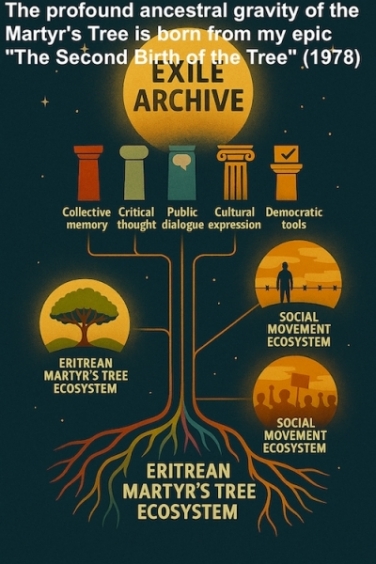 Exile Archive Voices Become Frontlines - Art & Literature for Justice: Following the collective memory, critical thought emerges as the next pillar. It is the space where remembrance becomes analysis, where inherited stories are questioned, reframed, and sharpened. Through this reflective lens, the past is not only preserved but interrogated, allowing new insights to surface and guiding the resistance with clarity and intention.
A Living Example: The Eritrean Martyr's Tree!
The Eritrean Martyr's Tree began as an idea... a symbolic gesture meant to honor the fallen and root memory in the soil of everyday life. For years, it lived quietly in thought, carried with care and conviction. When it was finally shared, communities recognized themselves in it. They planted the tree during national anniversaries, turning remembrance into a public ritual and transforming a single idea into a collective act of dignity.
This example shows how resistance grows: not from grand declarations, but from ideas nurtured patiently until they can be carried by many. It demonstrates to readers that each pillar - critical thought, public dialogue, democratic tools, collective memory, cultural expression - becomes real when practiced. The Martyr's Tree teaches that anyone can develop these capacities. With guidance from experienced thinkers and cultural workers, new intellectuals emerge, and communities learn to shape their own symbols, their own narratives, their own frontlines.
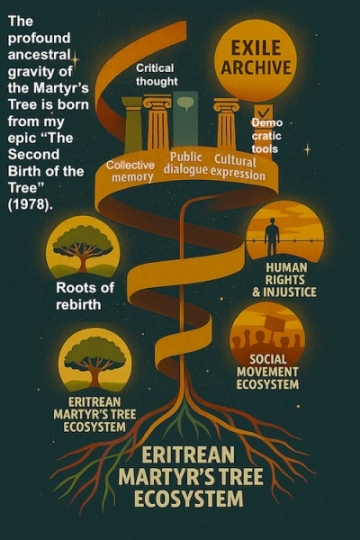 Exile Archive Voices Become Frontlines - Art & Literature for Justice: Following the critical thought, public dialogue takes shape. Ideas once held internally now move outward, entering shared spaces where voices meet, challenge, and expand one another. This pillar transforms reflection into exchange, creating a living forum where collective understanding is negotiated and strengthened through open conversation.
A Living Lesson: How the Martyr's Tree Became a Collective Act?
The Eritrean Martyr's Tree offers a clear example of how resistance grows from thought into action. For years, the idea lived quietly... a symbolic gesture meant to honor the fallen and root memory in the soil of everyday life. It was carried, refined, and protected until the moment was right. When finally shared, communities recognized its truth. They began planting the tree during national anniversaries, transforming remembrance into a public ritual and turning a single idea into a collective expression of dignity.
This journey shows readers that the pillars of resistance are not abstract concepts. They are skills that can be learned, practiced, and passed on. Critical thought, dialogue, democratic tools, memory, and cultural expression all converged in the Martyr's Tree. It demonstrates that anyone - with guidance from experienced thinkers and cultural workers - can develop the capacity to shape symbols, create meaning, and contribute to the intellectual and cultural life of their community. Resistance begins with an idea, but it becomes powerful when many hands carry it forward.
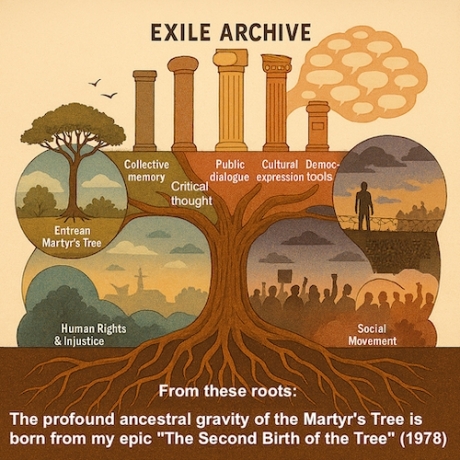 Exile Archive Voices Become Frontlines - Art & Literature for Justice: Following the public dialogue, cultural expression rises as the next evolution. What has been spoken becomes embodied—through art, performance, ritual, and creative practice. Here, the community’s voice gains form and texture, turning discourse into symbols, gestures, and narratives that carry identity across generations and geographies.
The Pillars. Each of the Triad and the Five Ones in Two Settings!
These pillars of resistance - thought, dialogue, democratic practice, memory, and cultural expression - are not distant ideals but capacities that grow through use, guidance, and shared experience. The journey of the Martyr's Tree shows how an idea carried with care can become a collective act of dignity, teaching that every reader holds the potential to shape meaning and contribute to the intellectual life of their community. This page stands as an invitation: to learn, to practice, to imagine, and to join the long continuum of voices that turn vulnerability into strength and expression into a living frontline.
The comments form is waiting for you to join. You can use it to write your impressions on Exile Archive Voices Become Frontlines too.
 Exile Archive Voices Become Frontlines - Art & Literature for Justice: Following the cultural expression, democratic tools emerge as the final pillar. The stories, debates, and creative forms crystallize into structures that empower participation and shared administration. These tools transform collective imagination into collective action, enabling communities to shape their futures with agency, transparency, and accountability.
Know the Connection Between the Triad and the 5 Pillars!
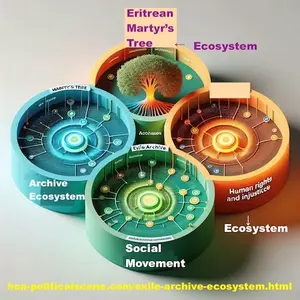
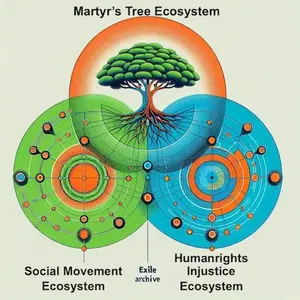
Each one set of them has its own environment in the Eritrean Martyr's Tree... one set internal inhabiting the meaning and the other set external developing its operational methods from thoughts to systems. The three pages connecting to the next one are this one and the two before it at Exile Archive Spine of Meaning and Exile Archive Imagery Poetry Hub! The next page is Exile Archive Five Pillars Structural and Operational! All of them are at the Dynamic Sections below.
The Specific Rhythm of Expression and Cultural Dialogue!
Starting with poetry, getting through to short stories: This rhythm follows its own literary exposure. Emotional poetry sometimes embodies the political, deepening the sumbolic of a nation as a beloved virgin girl abused by those who dictate the nation.
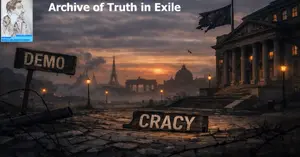
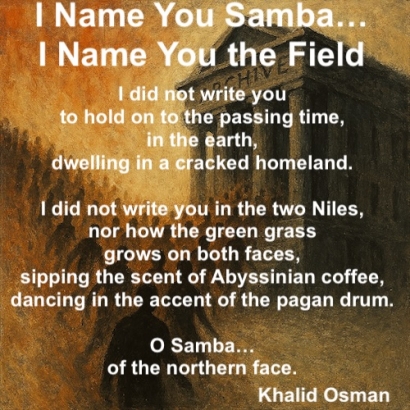 Exile Archive Voices Become Frontlines - Art & Literature for Justice: Illustrating my poetry "I Name You Samba… I Name You the Field"... published in "Fikrun wa Fann" in the Kuwaiti al-Watan newspaper in Friday, March 26, 1982. The poetry is written on an image of an Archive, while the people marching out from a broken city toward the archive and its founder. Are walking with them toward me? You are welcome to the Archive of Truth in Exile. We work together, we succeed together.
I Name You Samba… I Name You the Field
I did not write you
to hold on to the passing time,
in the earth,
dwelling in a cracked homeland.
I did not write you in the two Niles,
nor how the green grass
grows on both faces,
sipping the scent of Abyssinian coffee,
dancing in the accent of the pagan drum.
O Samba…
of the northern face.
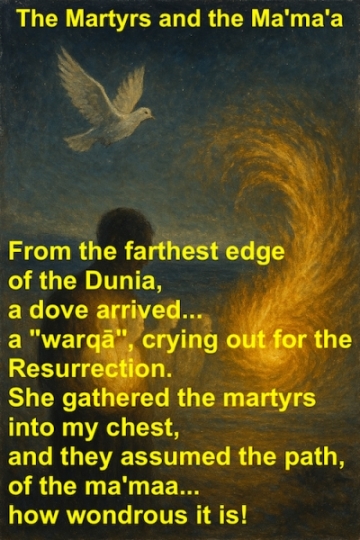 Exile Archive Voices Become Frontlines - Art & Literature for Justice: Illustrating my poetry "Martyrs and the Ma'ma'a"... published in my poetry book on Lulu and I absolutely have forgotten the date I wrote it. I want to correct the date here. Trying to remember the martyrs that time, whether they were martyred during the Jaafar Numerie's dictatorial regime, or the Islamic dictatorial regime of Omar al-Bashir.
The Martyrs and the Ma'ma'a
From the farthest edge
of the Dunia,
a dove arrived...
a "warqā", crying out for the Resurrection.
She gathered the martyrs
into my chest,
and they assumed the path,
of the ma'maa...
how wondrous it is!
What the Image of the Martyrs Reflects?
Illustrating a vast, dim horizon stretches like the edge of an unseen world, where earth and sky blur into a single muted glow. From that distant threshold, a lone dove, white yet tinged with the soft ash of long travel glides forward, its wings catching a faint, otherworldly light. It is a warqā', ancient in presence, carrying the quiet tremor of prophecy.
Below her, the air shimmers with a rising chorus of unseen voices. The martyrs gather not as bodies, but as luminous silhouettes warm, human, and weightless drawn gently into the open chest of the poet, as though returning to a sanctuary that has always awaited them. Their light pulses softly, like embers remembering fire.
Ahead of them lies the ma‘ma‘a: a swirling, golden tumult, neither storm nor battlefield, but a radiant vortex of struggle, destiny, and transformation. It glows with a fierce, irresistible beauty, dangerous yet awe‑inspiring, like the heart of a sun glimpsed through a veil.
The dove hovers above this luminous chaos, wings outstretched, calling toward a distant resurrection. The martyrs, held within the poet’s chest, lean toward the ma'ma'a with calm resolve, as though stepping into a path they have always known.
The entire scene is suspended in a hush solemn, tender, and filled with a strange, exalted wonder.
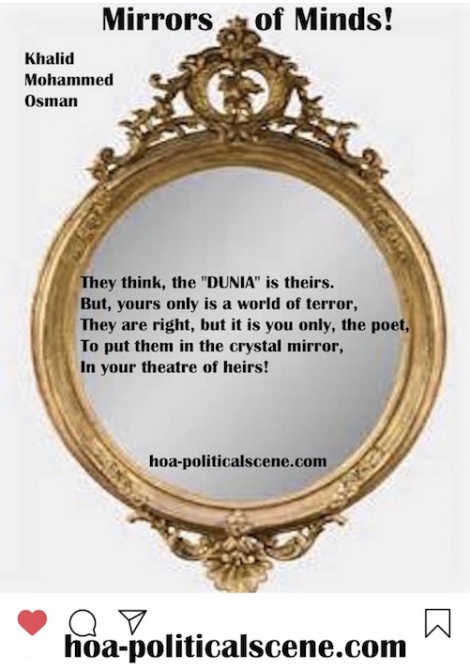 Exile Archive Voices Become Frontlines - Art & Literature for Justice: Illustrating my poetry "Mirrors of Minds", a poetry written by poet Khalid Osman illustrate the misconception created by international forces during their creation of international, terrorism, reflecting an international conspiracy to divide the world further, just in the period from 1989 until 1992 and form there the fracture of the world continues until this moment. It is comprised with the fracture of Sudan, the fast large country in Africa. You don't know that what is called international terrorism Hase actually started from Sudan. That is the heart of the international geopolitical puzzle.
Mirrors of Minds
They think the "DUNIA" is theirs,
But, yours only is a world of terror,
They are right, but it is you only, the poet,
To put then in the Cristal mirror,
In your theatre of heirs!
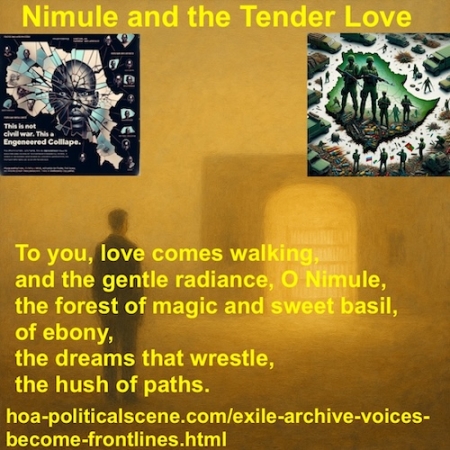 Exile Archive Voices Become Frontlines - Art & Literature for Justice: Illustrating my poetry "Nimule and the Tender Love", a poetry written by poet Khalid Osman. A poet imagining himself a child crawling toward his mother "Nimule" to pick him up. Symbolism goes deeper, where "Nimule" is a town on the far borders of South Sudan with Uganda on Bahr-al-Jabal... as that river carries water, it also carries the deepest African relation through to the White Nile and this nile carries it further to North Sudan to collide with the Blue Nile. Wasn't that sound enough for the entire Sudan to realise it's Africanism, instead of being comprised by some Arabs to carry on with Islamic military dictators who are still contributing to the fracture of Sudan, since 1956?
Nimule and the Tender Love
To you, love comes walking,
and the gentle radiance, O Nimule,
the forest of magic and sweet basil,
of ebony,
the dreams that wrestle,
the hush of paths.
When...
while some beauty still lives inside us,
and in the high, rising landscapes,
honey made of kisses...
Twenty‑odd years, O Nimule,
night stretches toward you with questions,
tempting you with the ruins;
you send enchantment a rhythm,
in the tremor of anklets and of hair,
and you send love out quadruple,
carried by the breezes of our Bahr-al-Jabal
to those who think this world is nothing but
sated dreams and splendid robes.
We had given our struggle an arm's length,
then left it to the plunder of wind and fate.
Twenty‑odd years, O Nimule,
I crawl… I crawl…
When will you arrive?
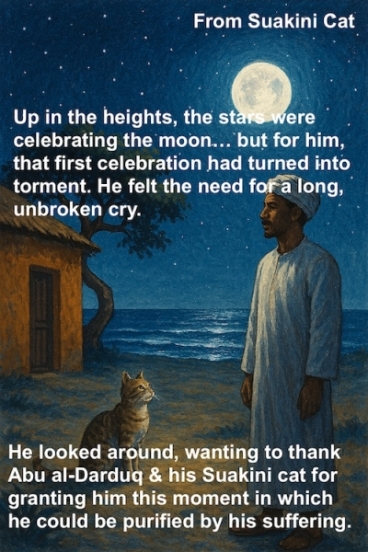 Exile Archive Voices Become Frontlines - Art & Literature for Justice: Illustrating the short story "The Suakini Cat", written by poet and short story writer Khalid Mohammed Osman. The short story has two figures tortured and exiled by the security of the religious military regime of Omar al-Bashir. The cat is one of the famous cates in both Port Sudan and Suakin. It symbolises longing to his owner who returned from his prison where he had been tortured and alienated.
Excerpts from My Short Story: The Suakini Cat
He felt a surge of humiliation… and that humiliation - perhaps even that insult - grew inside him when the image of Humeid, the man in the next room so much like his own narrow cell, drifted into his mind. It was as if Humeid now stood before him with his thin, elongated body… and his voice reached him as though rising from some deep, remote cavern within.
When they were taken at dawn to the mountain passes to clear the long road for the many companies that had suddenly sprung up, they would say, while drinking bitter coffee instead of the milk of old evenings "like a devilish weed." Their names differed at the beginning, but all ended with the same final word: al‑Islabiya. They saw those names on trucks, on towering structures, even on signs hammered into the blazing sun over bare, empty land... nothing between it and the sun but the drunken shimmer of long, weary sweat.
Up in the heights, the stars were celebrating the moon… but for him, that first celebration had turned into torment. He felt the need for a long, unbroken cry. He looked around, wanting to thank Abu al‑Darduq and his Suakini cat for granting him this moment in which he could be purified by his suffering.
But Abu al‑Darduq was nowhere to be found… but only his Suakini cat. It was there engaging in a tender love with a companion, one it seemed to have chosen in his absence, intoxicated by the moon's silver arrows of desire, behind the arak tree, trembling in such an exquisite way that Adroob himself glowed with pain.
Exile Archive Voices Become Frontlines - Poems where feeling and power slip into surreal
English HOAs Poetry to Learn New Conceptual Ideas!
Read English HOAs Poetry to learn the structure of poetry and inspire to write poetry. You'll also learn new conceptual ideas to improve your literary life.
HOA's English Poetry Widen Your Knowledge and Inspire to Write Poetry!
HOA's English Poetry in examples to learn from them and inspire by poetry to write poetry. Insights on poetry elements and structure to widen your knowledge.
English Poetry to Motivate You to Improve Your Literary Life!
English Poetry with new conceptual ideas to inspire the hidden poet inside you, so you can write poetry. This will improve your literary life.
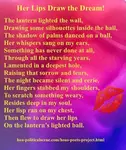
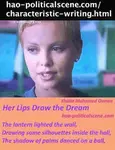
"Her Lips Draw the Dream" on Hollywood cinema star Charlize Theron!
"Her Lips Draw the Dream" a piece of poem on Hollywood cinema star Charlize Theron's lips by poet Khalid Mohammed Osman. You'll also know how to write verses.
HOA's English Poems to Inspire Your Imagination!
HOA's English Poems include emotional poetry, environmental poetry, political poetry and social poetry. Inspire and enrich your imagination by beautiful images!
Exile Archive Voices Become Frontlines - English Literature 1: How narrative voice travels between journaling and short fiction?
Characteristic Writing is Natural, Intuitive and Spontaneous!
Characteristic writing is that writing you have never thought of and it comes to your vision naturally in intuitive and spontaneous way.
How to Write a Short Story? Use the Guidelines of HOA Political Scene!
How to Write a Short Story? Discover new concepts in the short story writing and get the guidelines from the lessons, which are explained in texts and videos.
Learn Short Story Writing Techniques on HOA Political Scene!
Short Story Writing Techniques to learn from text & videos to write short stories & even be a short story critic... sensational and easy on HOA Political Scene.
Short Story Insights to study & Become a Writer on HOA Political Scene
Inside the Short Story to discover and learn the elements and the essentials of short story! The video-learning gets is clear and easier to become a good writer.
Journaling Emotional Well-being: Strength, Survival & Thriving!
Journaling Emotional Well-being: How Journaling can be more than just a physicological process for anxiety, depression & stress relieve?
Exile Archive Voices Become Frontlines - English Literature 2: Where poems enchant and raise the spirit
How to Be Inspired by Poetry to Write Poetry?
Wondering about how to be inspired by poetry to write poetry? Read poetry inspiration and watch the videos to get inspirations from poetry to write poetry.
How to Write Poems? Fast & Easy Learning with Video Lessons Included!
How to Write Poems? It is fast and easy at hoa-politicalscene.com. Lessons are included also on videos.
Poetic Knowledge to Know Wha's Poetry Exactly and How to Write It!
Poetic Knowledge is important when poetry is your passion, or when you think about writing poems. Here are lessons included also on videos.
How to Write Verse? Video Lessons to Write Verse!
How to Write Verse? Video lessons at hoa-politicalscene.com/how-to-write-verse.html to write verse supported by explanation with some examples of lyrics.
Exile Archive Voices Become Frontlines - What makes a short story ignite?
How to Write a Short Story? Use the Guidelines of HOA Political Scene!
How to Write a Short Story? Discover new concepts in the short story writing and get the guidelines from the lessons, which are explained in texts and videos.
Learn Short Story Writing Techniques on HOA Political Scene!
Short Story Writing Techniques to learn from text & videos to write short stories & even be a short story critic... sensational and easy on HOA Political Scene.
Short Story Insights to study & Become a Writer on HOA Political Scene
Inside the Short Story to discover and learn the elements and the essentials of short story! The video-learning gets is clear and easier to become a good writer.
Journaling Emotional Well-being: Strength, Survival & Thriving!
Journaling Emotional Well-being: How Journaling can be more than just a physicological process for anxiety, depression & stress relieve?
Exile Archive Voices Become Frontlines - How Does Expressive Writing Relieve Stress? #WellnessTravels_3080
Exile Archive Voices Become Frontlines - Whisk Away Worries: How Does Poetry Relieve Stress in Hannover & Beyond? #Walking_the_World_3081
Exile Archive Voices Become Frontlines - How short fiction turns constraints into creative force: examples of Arabic emotional and political stories
The Frame, Arabic Story البرواز - قصة قصيرة، للقاص خالد محمد عثمان
The Frame, short story by Khalid Muhammad Osman published on 1893 in Kuwait. البرواز، قصة قصيرة باللغة العربية للقاص خالد محمد عثمان Learn to write stories.
The Suakini Cat, Short Story in Arabic By Khaled Osman!
he Suakini Cat is a short political story by Khaled Mohammed Osman. القط السواكني قصة ذات مفاصل سياسية للقاص خالد عثمان The Suwakini Cat is a good read.
Arabic Short Story - اشرب الآن آيها الزعيم! Drink Now, Dear Boss!
Arabic short story إشرب الآن أيها الزعيم I wrote in the 1980s while I was an editor in the cultural & literary section of the Kuwaiti newspaper al-Watan.
The Deeper Currents - The deeper tide: I know you can swim it well!
You've had a pause. If you choose, here’s the stronger current under the stillness. Imagine the archive as a tree:
The canopy holds the poems, journals, and short stories: shelter, ease, and air.
The trunk is the conceptual and narrative hubs: form, ideas, and frameworks.
The roots are the martyr’s tree, press and media, and truth in exile: deep, painful, necessary grounding.
If you only want the canopy, you can stay there... rest, recharge, and browse what calls to you.
Exile Archive Voices Become Frontlines - Grooving Away Your Worries: How Does Writing a Novel Relieve Stress? #WellnessTravels_3082If you want to go deeper, you can choose to descend into the roots.
It's a balanced, healthy structure.
From here on, the archive moves from reflection to analysis... from rest to resistance, and into designing the shape of social action.
Exile Archive Voices Become Frontlines - As dynamics change, the tone sharpens and the stakes rise
Global Dynamics are a Worldwide Projected Plans to Save the world!
The Global Dynamics are attracted by climate change and its outcome like epedimcs, along with many natural, economical and human crises that affect the world.
International Dynamics to Repair the Globe!
International Dynamics are planned to repair the globe and renovate the ecosystem to sustain climate, and to abolish classic systems and launch the mass systems.
Khalid Mohammed Osmans Dynamics Are Yours to Save Our Planet!
Khalid Mohammed Osmans Dynamics combined with systematical units ensure building the systems of the masses and launching the era of the masses.
Dynamic Revelation That Saves You and the Globe!
Dynamic Revelation expresses how reaching dynamics concerning the world's masses can solve worldwide problems and save you and the globe.
Dynamic Minds Help You Build a Mind that You Can Say It's Dynamic!
Dynamic Minds help you grow a mind that you can say it's dynamic. They also make you active to enlighten others & energize them to solve global problems.
Exile Archive Voices Become Frontlines - The spark arc: When narrative force turns into social action
Exile Archive Spine of Meaning!
What anchors the Exile Archive Spine of Meaning is the moment testimony stood alone, refusing erasure & forming the structure that holds every resistance upright.
Exile Archive Practical Philosophy Paves the Way to Social Movement!
Exile Archive Practical Philosophy was in the Eritrean Martyr's Tree. It was initiated from the plant, grew from the ground with its trunk, branches & leaves.
Exile Archive Five Pillars Structural and Operational!
Exile Archive Five Pillars Structural and Operational! They function as both structure and practice, turning the archive’s public architecture into living, operational pathways.
Exile Archive Voices Become Frontlines - How a dynamic arc helps shape social movements?
Exile Archive Action Guide Builds the Grassroots of Social Movement!
Exile Archive Action Guide Builds the Grassroots of Social Movement! It's the basics to solve crises, conflicts, economy, human rights violations & injustice.
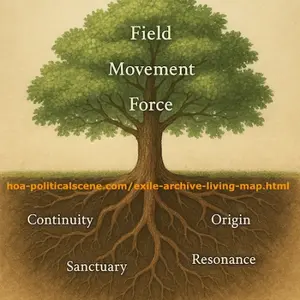
Exile Archive's Living Map - A Tree of Life! How It Changes Life?
Exile Archive's Living Map - A Tree of Life! It changes lives. A rooted journey from witness & creation to insight, guiding your path through life.
Exile Archive's Living Map - Tree of Creation for Meaning Changes Life
Exile Archive's Living Map - Tree of Creation for Meaning Changes Life: Reflect, inspire new work & deepen your journey through exile & witness.
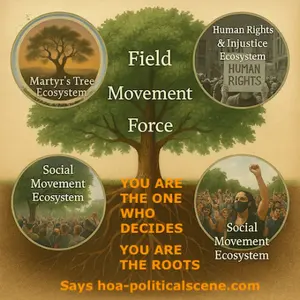
Exile Archive Voices Become Frontlines - Where dynamic arcs intersect with poetic resistance
Exile Archive Imagery Poetry Hub! How Social Resistance Becomes Poetic
Exile Archive Imagery Poetry Hub explores emotional and political poetry revealing exile's origins and early instincts that sharpen your political vision.
Exile Archive Voices Become Frontlines - A tree-born archive of truth in exile
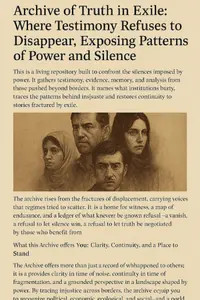
Archive of Truth in Exile: A Living Record of Power and Witness!
The Archive of Truth in Exile: Mapping silence, power, and survival. Testimony against erasure. Making an archive a living witness for you to claim justice.
Archive of Truth in Exile - Testimony Matters!
Archive of Truth in Exile - Testimony Matters: A foundational document on witness, erasure, and the moral architecture guiding the entire archive & raising societies.

Micro-section - the understory: beneath exile's quiet surface, voices become front lines
Exile Archive Voices Become Frontlines - Where contemplation becomes resistance
Where rest shifts toward reckoning:
After the calm of poems, journals, and short stories,
the archive changes its center of gravity.
- here, quiet turns into questioning,
- breath becomes testimony, and…
- the Exile Archive Voices Become Frontlines... start leaning into the forces at work.
- forces that shape our social, political, and imaginative worlds.
Insights that help you become dynamic enough to resist the forces that invert your life!
Let "Exile Archive Voices Become Frontlines" strengthen you... then use that strength at home, in your community, to push back against injustice and human-rights abuses.
Exile Archive Voices Become Frontlines - When Dynamics Become Concept!
Learn Dynamics Through Dynamic Perspectives to Solve Global Problems!
The learning curve of Dynamic Perspectives provides you with a rare opportunity to better understand today's global problems and share the solution with others.
HOA's Dynamic Concept for You to Think Well of Your World!
I reached HOA's Dynamic Concept through close observation to two serious changes that affect our world badly. It is for you, to make the world better.
Dynamic Critique to Global Political History Being Forged, or Plotted!
Dynamic Critique gets in the heart of global political history to criticize it as being forged and even plotted, which has resulted in massive human disasters!
Dynamic Remarks Indicate that Classic Systems are Over Practically!
Dynamic Remarks about why classic systems are over and what is the alternatives to classic political parties. That also means what are the new systems we need.
Dynamic Statement Reveals Serious Global Matters to Deal With!
Dynamic Statement reveals serious matters that affect our lives daily & suggests the solution of complicated matters through basic process to shift all systems.
Exile Archive Voices Become Frontlines - Where dynamics meet!
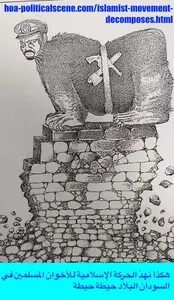
Islamist Movement Decomposes. Factual Facts of the Islamist Movement!
Islamist Movement Decomposes. This is clear to every modern and civilized mind. However, one question remains. Why this so called Islamic Movement is still controlling in some areas?
Conventional Narratives Hub Coverage From History to the Present!
Conventional Narratives Hub covers all narratives historically from the past to the present, whether they are economical, environmental, political, or social.
The Revolution I Would Not Sell!
The Revolution I Would Not Sell is a continuation to the unwritten system I have that proved to be working right! This system achieved planting 5 million trees to spark development.
Ink Between Borders - Exile by Principles: Peace Unheard!
Ink Between Borders - Exile by Principles: Peace Unheard! An urgent reflection on exile, unrecognized peace & moral resistance in post-conflict narratives.
Has International Terrorism Disappeared?
Has International Terrorism Disappeared? A political project like this has many phases. It is likely when the first phase has been done, we see the 2nd, the 3rd, etc...

Exile Archive Voices Become Frontlines - Dynamic ideas move!
Dynamic Ideas to You as Important Asset in Global Development!
The important asset of dynamic ideas is you. You are asset in global development, even when you feel weak as individual. The dynamical ideas get you strength.
HOA's Dynamic Thoughts on Biggest World Problems & How to Solve Them!
HOA's Dynamic Thoughts are about the world biggest problems, their origin and causes and how to solve them. Be part of the solutions. Subscribe to newsletter.
Dynamic Commentaries to Work the Masses' Dynamics In and Out!
Dynamic Commentaries include dynamic ideas to work the theory of the masses in and out and build the masses era.
Dynamic Comments to Put the Theory into Practice!
Dynamic Comments about the dynamics of the masses, the masses systems and the masses era to help you put the theory into practice.
Dynamic Views to Explore the World's Problems and Solve Crises!
Dynamic Views to explore the global problems, discover their origins and provide solutions to the crises the human and planet face.
Exile Archive Voices Become Frontlines - How today's global dynamics manufacture illusion?
Superstitions Rule Sudan and Other States in the Horn of Africa!
Do you believe in superstitions? The Horn of Africa is superstitious. They spread from Nigeria across Sudan to India! They even nest in the political systems.
The World Superficiality on How People Comply with Dangerous Policies!
The World Superficiality is clear on how people comply with irrational policies that create economical downturn, global warming with pandemics & international terrorism.
How Does Political Illusion of Mass Media Deteriorate our World?
The Political Illusion of Mass Media is a political game played by the power of the capital in regimes that deteriorate the world. Do you know how to manage it?
INTELLECTUAL SHALLOWNESS is Subjective and Objective. How to Avoid it?
Intellectual SHALLOWNESS is mainly political shallowness. It's subjective & objective habit that indicates a superficiality. Here is how not to be superficial.
SUPERFICIALITY DEFINTION & Subjectivity & Objectivity on World Crises!
Intellectual Superficiality expresses a lack of depth when looking into news events, or facts about something. It becomes dangers when misunderstanding involves crises that threaten your life.
Exile Archive Voices Become Frontlines - Where dynamics demand your attention, mind you?
HOA's Global Alerts Get You Setup to Build a System to Prevent Dangers
HOA's Global Alerts aren't intended to sit you in state of being watchful for possible dangers, but they set you up to prevent such dangers by building a system.
I am Asking You to Be Clever & Think How to Save Yourself & the World!
I am Asking You to be clever & think of conflicts, ecological, economical, health & social crises created by bad planning. Then decide to change that by the LPE.
Doctor Feeling Good Will Put Your Healthy Body in Your Healthy Mind!
Doctor Feeling Good will put your healthy body in your mind by the LPE theory of the people to save you and the world from disasters created by mess in planning
HOA's Mastermind Says International Terrorism is a Capitalist Industry
HOA's Mastermind Says International Terrorism is a Capitalist Industry! He founded the network of solutions that resolve global terrorism, manage crises & foster world peace.
How to Be the Memory and Consciousness of All Generations?
How to Be the Memory and Consciousness of All Generations is not a personal matter, but rather a public matter that makes everyone just become that person and live in the future.

Exile Archive Voices Become Frontlines - The root hub of narrative movement!
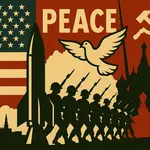
The Cold War Era: A Battle of Ideologies and Influence!
The Cold War Era: A Battle of Ideologies and Influence! In my opinion, the world was better and more stable than today's world. What do you think?
The Eastern Europe Socialist Bloc Fragmentation!
The Eastern Europe Socialist Bloc Fragmentation costs effectively until today. Are there any real causes of the deterioration of great counties in the world?
Conventional Narratives Are Always Wrong!
Why Am I Saying Conventional Narratives Are Always Wrong? Explore the connection of these narratives from colonial era until this era and know what to do!
Established Frameworks Invisible Forces Shaping Perception!
Established Frameworks Invisible Forces Shape Perception! The insights help you escape narratives that control your life & help others build a better world.
How Dominant Perspectives Shape Our World?
How Dominant Perspectives Shape Our World? Explore to know what to accept and what to refuse.
Exile Archive Voices Become Frontlines - The editorial pulse of dynamics: Press Media 1: Intelligentsia newspaper editions!
Intelligentsia 56 Makes You More Brilliant to Make Your World Better!
Intelligentsia 56 is brilliant. So, you are. It develops the way you are thinking to be brilliant more and make your world better.
Intelligentsia 57 Captures Your Mind to Make You Intuitional!
Intelligentsia 57 captures your mind to develop your thinking capacities, so you can see what's wrong in the world and make it right.
Intelligentsia 58 Opens Your Mind into the Late Eighties Up to Now!
Intelligentsia 58 opens your mind into the period from the late eighties until now and rebuilds the capabilities of your mind, so you can see what's gone wrong with the world.
Intelligentsia 59 Shows You How to Ally Yourself with Socialism & Why?
Intelligentsia 59 Shows You How to Ally Yourself with Socialism. Is it because it's Humane & we're all humans, or what? A process to rebuild your mind capability to save yourself & the world & rebuild it.
Intelligentsia 60 Actions to Do When World Crises Knock on Your Door!
Intelligentsia 60 Actions to Do When World Crises Knock on Your Door! World crises reflect at home, unfolding how to act globally, think locally.
Exile Archive Voices Become Frontlines - Inside media dynamics: Press Media 2!
How Does Political Illusion of Mass Media Deteriorate our World?
The Political Illusion of Mass Media is a political game played by the power of the capital in regimes that deteriorate the world. Do you know how to manage it?
Intelligentsia Multimedia Newspaper Revolutionizes Knowledge!
Intelligentsia Multimedia Newspaper revolutionizes knowledge. It develops your mind prudently to know the real reasons of world disasters & teaches you how to tackle them.
Principles of Press Media that Make You a Professional Journalist!
What are the Principles of Press Media that Make You a Professional Journalist? They are ethical and professional. You should know them, before even thinking of doing journalism.
Citizen Journalism Can Save the World From Political Catastrophes!
Citizen Journalism Can Save the World From Political Catastrophes! How can CJ save the world from political catastrophes?
Ethical Journalism Combats Dominant Narratives! Your Pen is Authority!
Ethical Journalism Combats Dominant Narratives! Press freedom is essential, as long as the press is the fourth power that focuses on the truth. You're powerful
Exile Archive Voices Become Frontlines - The martyr's tree: the root of three dynamic ecosystems!
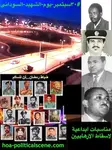
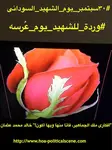
Sudanese Martyr's Day to Make Your Revolutionary Day!
The Sudanese Martyr's Day is a day created by journalist Khalid Mohammed Osman every month, every year to celebrate a Sudanese martyr.
Sudanese Martyr's Actions to Celebrate Martyr's Anniversaries & Revolt
The Sudanese Martyr’s Actions are planned to set you free by participating in martyrs’ anniversaries, and becoming organizer to defeat the totalitarian regime.
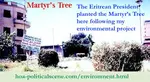
5,000,000 Martyr’s Trees Enhance Global Environment!
Khalid Osman's Eritrean Martyr’s Tree invention accomplished planting of 5,000.000 Eritrean martyrs trees & cleaned environment from chemical weapons & mines.
Sudanese Martyr’s Feast to Celebrate Sudanese Martyr's Feats & Revolt!
The Sudanese Martyr’s Feast is a day created by journalist Khalid Mohammed Osman every month, every year to celebrate Sudanese martyrs by planting Martyr’s Tree
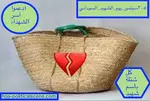
Sudanese Martyr’s Tree Posters to Decorate Your Public Place!
The Sudanese Martyr’s Tree Posters for martyrs families & Sudanese opposition campaigners and rallies to use in their camp to conquer the tyrants of Sudan.
Sudanese Martyrs’ Plans to Plant Martyrs’ Trees and Setup Revolution!
The Sudanese Martyrs’ Plans are prepared by activist Khalid Mohammed Osman to carry on social activities to plant martyrs trees everywhere to setup revolution.

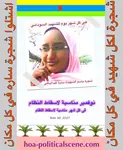
Sudanese Martyr's Tree to Plant & Motivate People to Revolt!
The Sudanese Martyr’s Tree, as the Eritrean Martyr's Tree is created by veteran activist and journalist Khalid Mohammed Osman to set the fire of the revolution.
Sudanese Martyr’s Tree Project to Make the Revolution Right!
Sudanese Martyr’s Tree Project planned by activist & journalist Khalid Mohammed Osman to know in details how to carry this project and make revolution right.

Exile Archive Voices Become Frontlines - Mapping the Horn of Africa political landscape: a dynamic ecosystem!
The Horn Africas Network is for the Horn of Africa's Friends to Meet!
The Horn Africas Network aims to help friends who are burning from the political disasters to come together, share political ideas, read for knowledge & unite.
HOA Indexes Some Sacred Literary and Political Stories!
The HOA Index Network indexes literary & political stories that may change the way you look to politics in your area & develop your life from such new look and feel.
Horn Africas Political Tragedy As Seen On Apple iTunes To Fund Your...
Horn Africas Political Tragedy as seen on Apple iTunes to fund your tragedies! The book uncover the political tragedy in the Horn of Africa through decades of oppression. Every country is covered thoroughly, just to learn and know.

What's your take on "Exile Archive Voices Become Frontlines"?
The Exile Archive Voices Become Frontlines is designed as a space to breathe and roam—meeting language that heals even as it unsettles. It brings together poems, journals, short fiction, and conceptual rooms into a living ecosystem... one that moves between rest and reckoning, tenderness and political clarity.
Each section is built as a threshold... an invitation to pause, feel, imagine, and bear witness. Your impressions help guide how the hub grows and branches, and how it continues to carry its emotional and ethical weight.
Exile Archive Voices Become Frontlines - Navigating Global Chaos: Leadership in Trade Wars and Diplomacy! [Latest on The Insight Lens]Exile Archive Voices Become Frontlines explores emotional and political poetry that reveals exile's starting point and an early political instinct, sharpening your political sight.
Whether you came for the imagery, the political undertow, or simply a quiet moment, your voice joins the archive's ongoing conversation. Share a thought, a feeling, a question, or even one line you can't forget. Your reflection helps keep "Exile Archive Voices Become Frontlines" alive.
Have A Great Story About This Topic?
Do you have a great story about this? Share it!
Comments space for "Exile Archive Voices Become Frontlines"
Welcome to the comment space for "Exile Archive Voices Become Frontlines." If nothing's posted yet, feel free to begin the conversation. If others have shared, reply and join the dialogue. Engagement encourages connection, discussion, trust and friendship.
Exile Archive Voices Become Frontlines - Write Short Stories, Heal, Thrive! #Wellness_Travels_3083_3Concerned about Conflicts Fact that Never Been Disclosed?
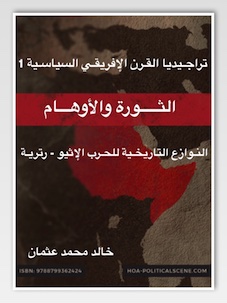
Get Horn Africa's Political Tragedy.
Recent Articles


-
HOA's Interval with Wisdom Nuggets of Inspiring Ethical Proverbs!
Sep 09, 26 04:59 AM
 HOA's Interval with Wisdom Nuggets of Inspiring Ethical Proverbs! You can see your ethics & the ethics of the surroundings clearly to develop & enhance your own.
 -
Intelligentsia 61 from Danish Injustice to American War Abortion of
Aug 29, 26 11:14 AM
 Intelligentsia 61 from Danish Injustice to American War Abortion of Iranian Revolution and Media Stupidity, world people fall into the trap of manipulation.
 -
When, Why and How the European Paradise Became Hell on Earth?
Aug 23, 26 10:20 AM
 When, Why and How the European Paradise Became Hell on Earth? This one in the dynamics will make your mind spin and reflect with clarity to address this matter.
Some Support is Appreciated so Much!
When I get a new information, or a good read, my conscience tells me to be obliged to whom has added a drop of knowledge with some values in my life by doing some good deeds to him. Some links here get me a little power to support some people in need, indeed, by paying my subscription to international human organizations I am part of their generous good deeds. Like this at Awassa.
A Friend in Need is A Friend Indeed!
How many times have you fallen like a mountain, because you were great with your inspirations, guidance and professional teaching and later on found some people you made professional drawn in luxuries and never cared about you?
A hand up is better than a hand down. Share a link of a page you liked in great sites, but please not FACEBOOK. I am a man of principles.
A Man is Known by the Company he Keeps!
True, don't you think so? I can tell you stories and stories about that. Can you tell me one in details with the original cultures of the world it refers to? Take the cultural section by a huge and write that in the comments form.
Healthy Citizens are the Greatest Asset any Country can have!
It's true. But, he didn't know what ill governance can do for healthy citizens, or how ill monarchies can bring healthy citizens into miseries, or why great powers play by the fates of so many healthy citizens in the world.
Know any similar situations where healthy citizens are broken by the ruling elites in any country? Bring that into readers' attention through the comments form at Are You Intellectual?
Global Dynamics to Make Everyone Intellectual
Look for the top 100 Google most searched terms globally in 2021. You will not find any single thing that any person looks for and wants to know about, or use in daily life, such as food, health, education, cinema, tv, news, developing qualities and qualifications, playing, traveling, and even what causes Coronavirus and other pandemics, which are real threats to all people lives etc... You will find only search terms used for top social media, Youtube, search engines and Amazon. Political illiteracy is what matters to me to educate. See Global Dynamics & signup for the newsletter.
Did you get any of my books from Apple Books?
Click here to tell me & get some free books. Fill the form.
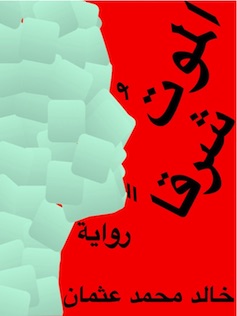
رواية "الموتُ شرقاً" تكشف لك سرّ الموت الشرقي التراجيدي المستمر للإنسان
احصل علي الرواية الآن واكتشف إنهيار القواسم المشتركة، واستلهم إبداعا يشبه الأسطورة في النص الروائي
"Follow", "like", "tweet", or "pin" the pictures to express your love! Thanks
TweetHorn Africa's Political Tragedy

Love in the Internet Time on Apple Books

Rising of the Phoenix Poetry on Apple Books

Free Poetry Picture Book
Free poetry picture book on Apple Books. You can use the images on public places for your customers to enjoy, while taking coffee.

The French & Spanish Versions
You can work the French versions and the Spanish versions of the two books above with me on, one on one bases. Contact Us.
HOAs Political Poetry Imaged
I'll be thankful, if you get one of my books.
My Books!