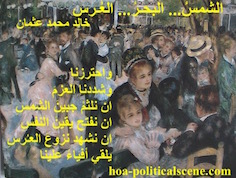
Exile Archive Power Denial and the Moral Architecture You Must Build!
"Exile Archive Power Denial and the Moral Architecture You Must Build" opens a testimony on how power fails its people how denial corrodes public life and how moral architecture collapses when institutions forget their purpose. This page traces the lived reality of failing systems institutional corruption and the erosion of accountability while inviting you to reclaim agency rebuild justice and restore dignity through witness meaning and collective action.
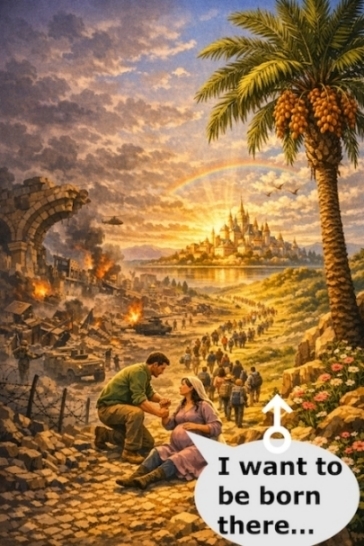 Exile Archive Power Denial and the Moral Architecture You Must Build: Illustrating a shared journey toward renewal… a shared journey toward a future of dignity... A man kneels beside his pregnant wife, helping her rise from the rubble. Her hand rests gently on her belly, which is round and radiant with life. Behind them, the ruins of power denial crumble... broken stone, barbed wire, and the silence of failing systems. The sky is bruised with memory. But ahead, the path curves toward light. A dream city gleams on the horizon... golden rooftops, shimmering towers, banners lifted by wind. It is not just a city. It is a promise. A place where dignity is restored, where justice is not fabricated, where moral architecture is not forgotten. From the woman's belly, a speech bubble rises. Not from her mouth, but from within... from the child who has not yet been born. The child says: "I want to be born there…"
The unborn voice carries longing, clarity, and choice. The child already refuses silence. Already chooses witness. Already dreams of a world built on ethical renewal and collective action. They rise togethe... not just as a couple, but as a beginning. They aim to walk with the others who already start their journey toward the city they will help build. Toward the architecture of hope. Toward the future that begins with birth and memory.
It is a space where you confront how authority drifts from its ethics and how public life fractures when systems lose their ethical center. This page gathers the lived experiences of watching power detach from accountability and witnessing the slow corrosion that follows when institutions deny the truth of their own failures.
You move through the realities of failing systems and institutional corruption not as abstract concepts but as forces that shape daily life. You trace how public denial becomes a habit, how authority protects itself instead of the people it claims to serve, and how the collapse of accountability leaves societies without direction or dignity.
These are not distant political ideas; they are the conditions that define the moral landscape you walk through every day.
And yet, within this erosion, you hold on to the possibility of rebuilding. You explore how agency returns when people reclaim their voice, how moral architecture can be restored through witness and collective action, and how justice begins again when truth is no longer silenced. This page is an invitation to understand the depth of the crisis and the quiet strength required to rebuild a life, a community, and a society grounded in meaning and ethical clarity.
Section 1. Did the Exile Archive Shift Through 50+ Years?
Yes, it developed with the world's changes, but it never shifted away from its foundation: it has always moved toward you, not toward those in power. The Exile Archive has lived through half a century of upheavals, wars, migrations, political collapses, and the slow corrosion of public institutions.
It has grown, expanded, adapted, but its spine has never bent toward authority. Its compass has always pointed toward you: the person harmed, silenced, erased, or pushed aside by systems that claim to serve justice.
This is not an abstract claim. The archive itself is the evidence. Every page, every testimony, every investigation carries the imprint of a life lived in danger because of a single decision made early on: to work for the people, not for the powerful.
I gave up comfort, safety, and even the possibility of a quiet life. I sacrificed rest, peace of mind, and personal interests because I believed that journalism is not a profession... it is an ethical stance. It is a risk. It is a price. And I paid it willingly.
I remember my father's first and second words about this: He said when he knew my journalists destiny earlier, "You have chosen the profession of tireless and misery," and advised later when I visited my big family home in secret to say farewell, during my first exile, "Make a lot of money," while my mother said in between her tears, "Make a lot of friends"... Two different choices, I followed my mother's.
I faced threats, retaliation, institutional obstruction, and the cold machinery of bureaucracies that punish those who expose their failures. I learned that when you choose truth over convenience, you become a target. And yet I continued, not because it was safe, but because it was right.
How this feels to me?
I feel the ache of those years in my bones. I feel the exhaustion of carrying truths that others preferred to bury. I feel the loneliness of standing on the side of the people while institutions close ranks against me. I feel the cost and I feel the clarity that made the cost worth paying.
How this feels to you?
- You, my reader, are not outside this story.
- You inherit its consequences. You walk through its aftermath.
- You live in a world shaped by the silences those institutions chose... and the truths they refused to carry.
- You are invited now to witness what I saw, to feel what I felt, and to ask what kind of architecture we must build in place of what collapsed.
You may have lived through your own forms of destabilization, erasure, humiliation, or violation... or you may have witnessed them in the lives of people you care about. Perhaps you have heard stories that echo parts of mine, stories that stayed with you because they revealed something about the world you inhabit.
What you read here, in my stand and in my years of resistance, may awaken in you a deeper awareness... a readiness to stand beside those who deserve protection, those who carry your voice when you cannot speak. This archive is also a place for you: a place to reflect, to express your own points, and to share the stories that shaped you.
Transition to the next section
And once I name this lifelong commitment, I naturally turn to the forces that should have stood beside me... the institutions meant to protect truth, amplify it, and defend the public. Instead, I found something else entirely, which is coming in the next section.
Section 2. Journalism That Turned Its Back on You!
Independent journalism was meant to be the counter‑force... the light held against the machinery of power. The fourth power, as it was supposed to be. It was supposed to stand beside you, amplify your voice, and expose what institutions tried to hide.
But what I witnessed over decades was something far more disturbing: journalism drifting away from its ethical foundation and toward the very authorities it was meant to scrutinize.
I saw newspapers that once defended truth become instruments of silence. I saw television channels that once challenged governments become their shields. I saw editors who once protected whistleblowers become gatekeepers who filtered out anything that might disturb the comfort of those in power. You might have seen this too.
This wasn't a theoretical shift. I lived inside it. I watched stories disappear before they reached the public. I saw how a single phone call from an official could kill an investigation. I saw how journalists who aligned with governments were rewarded, while those who insisted on truth - people like you and me - were isolated, punished, or erased.
I learned that in many places from Africa to the Middle East to Europe, the press no longer serves the public. It serves the state. It serves the powerful. It serves the narrative that keeps institutions looking clean while people suffer in silence.
How this feels to me?
I feel betrayed by a profession I once believed in. I feel the sting of watching colleagues abandon their ethical duty. I feel the loneliness of standing on the side of truth while others choose comfort, access, or career advancement. I feel the moral injury of seeing journalism become a tool of power instead of a shield for me.
How this feels to you?
You may look at this shift in journalism and feel your own kind of disorientation... a sense that something you once trusted has drifted away from its purpose. You might feel uneasy watching institutions that should defend truth instead protect power.
Perhaps you've witnessed moments where voices like yours, or voices you care about, were ignored, minimized, or erased. Maybe you've seen people who speak on behalf of the public become isolated, punished, or pushed aside.
As you read my account, you may find yourself recognizing patterns you've sensed but never fully named. And in that recognition, you might feel a growing awareness... a readiness to stand with those who carry the public's voice when others fall silent.
Transition to the next section
And once I confront this collapse of journalism, my reflection widens... from institutions to entire societies, from the failures of the press to the deeper fractures shaping the world since the 1990s.
Section 3. A World Changing for the Worse Since the 1990s!
When I look back at the early 1990s, I see a turning point... not only in geopolitics, but in the moral temperature of the world. It even appears continuously in the global ecosystem, the economical systems and the public health deterioration.
The collapse of old systems, the rise of new powers, the mass displacement of people fleeing wars and failed states, the widening gap between wealth and poverty, the global warming parallel to the political warming, the pandemics ... all of these forces reshaped the so‑called "developed" world... the so-called new world order!
I watched societies that once prided themselves on stability and justice begin to fracture. I saw fear replace openness. I saw suspicion replace solidarity. I saw governments tighten their grip on privacy, expand surveillance, and justify violations in the name of security. I saw institutions that once protected rights begin to erode them quietly, incrementally, bureaucratically.
And I witnessed something even more unsettling: the moral decline of nations that call themselves civilised.
I saw how refugees became scapegoats, how migrants were blamed for problems created by political failures, how the arrival of the vulnerable was used to mask the corruption of the powerful. I saw how societies that once claimed to be models of democracy began to imitate the very injustices they condemned elsewhere.
I began to ask myself:
Are we witnessing the slow collapse of civilisation in the very places that claim to embody it?
How this feels to me?
I feel the heaviness of watching a world drift into moral fog. I feel the ache of seeing societies lose their ethical compass. I feel the frustration of knowing that the problems are visible, documented, undeniable... yet still denied. I feel the sorrow of someone who has lived long enough to remember when things were different, and who now watches the ground shift beneath his feet.
How this feels to you?
You may sense the heaviness of watching the world drift into a kind of moral fog. You might feel unsettled as you see societies lose their ethical compass, even in moments when the truth is visible, documented, undeniable... yet still dismissed.
You may feel the quiet frustration of witnessing problems that everyone can see but few are willing to confront. And perhaps, in your own way, you feel the sorrow of someone who remembers a different kind of world, a steadier ground, and now watches it shift beneath your feet.
Transition to the next section
And from this global shift, my reflection narrows again... not to institutions or nations, but to the people themselves. I begin to ask why so many refuse to see what is happening right in front of them. This feeling has earlier given me a pulse of creation, before even everything was escalating toward a deeper hole that has no ground.
Section 4. The Eritrean Martyr's Tree: A Living Experiment in Collective Awakening!
Before I turn to the question of why people fail to see injustice, I pause to remember something essential... a moment when people did see, did respond, did rise together.
The Eritrean Martyr's Tree, an ideal I planned and executed during the world shift in the 1990s was not only a national or environmental project. It was an experiment in human orientation, a test of whether a community could be moved toward action, unity, and shared purpose.
I designed the project with intention:
- to see how a symbolic act - planting a tree for every martyr - could awaken a sense of responsibility, belonging, and collective memory.
I wanted to understand whether people could be guided toward a national and ecological mission that transcended politics, divisions, and fear... a productive idea that comes not from above, but from an individual like them. I had an instinct that represent a vision, but I just wanted to examine it on the ground.
And the experiment succeeded beyond no limit.
Through the activities I planned, the project gathered people from every corner of the nation. It mobilized them not through force, but through meaning... through direct connection preceded by media connection.
It brought them together to plant five million trees... each one a living testament to sacrifice, continuity, and hope... each one is a proof of my instinct.
That success was not only environmental.
- It was psychological.
- It was social.
- It was ethical.
It proved that people can be moved when you speak to their dignity, their memory, their longing for purpose. It showed me that the same process could be adapted elsewhere - that communities in other parts of the world could also be inspired toward rebuilding, healing, and transforming their societies.
From this experiment, the Tree Ecosystems were born with their triad and five pillars... a framework designed not for one nation, but for the world. A structure that invites people everywhere to take action, to reclaim agency, to rebuild their societies from the roots upward.
How this feels to me?
I feel a rare sense of affirmation... a moment when my work did not only expose injustice but generated life. I feel the quiet pride of seeing people respond to meaning rather than manipulation.
I feel the clarity that comes from knowing that transformation is possible, even in a world drifting toward darkness. I feel the responsibility of carrying this model forward, offering it to others who seek renewal.
How this feels to you?
You may find yourself drawn to this project with a sense of recognition... a feeling that its roots, its branches, and its fruits speak to something you've long hoped to see in your own society.
As you move through its ecosystems, you might begin to sense how its principles could take shape where you live, how they could unite people around shared values rather than divisions. You may feel the spark of possibility... the idea that transformation is not abstract, but practical, repeatable, and within reach.
And as you explore further, you might discover that this model offers you a path: a way to stand with those who deserve protection, to amplify voices that carry truth, and to begin building the kind of grassroots movement that can shift the moral landscape of your community.
The Action Guide that accompanies this project is there to help you take those first steps.
Transition to the next section
And from this moment of collective awakening, you return to the troubling question:
- If people can be moved toward unity and action, why do so many still refuse to see the injustices unfolding around them?
Section 5. Why So Many People Still Refuse to See What Is Happening Around Them?
After witnessing how an entire nation could rise together to plant five million trees... after seeing how meaning, dignity, and shared purpose can awaken people... you are confronted with a painful contradiction:
If people can be moved toward unity and action, why do so many still refuse to see the injustices unfolding in their own societies?
I have lived long enough, and observed deeply enough, to know that denial is not ignorance. It is a choice. It is a comfort. It is a shield that protects people from confronting the failures of the systems they depend on.
Many prefer the illusion of stability over the discomfort of truth. They cling to the conventional narrative that "everything is fine" because acknowledging the opposite would demand responsibility, courage, and change.
I have seen this in some of the most developed countries in the world... places that pride themselves on democracy, human rights, and transparency. Yet behind the polished image, I witnessed human rights violations, privacy intrusions, corruption, forged documents, manipulated cases, and institutions that protect themselves instead of protecting you.
I saw how many people closed their eyes to these realities.
Not because they were blind, but because seeing would require them to act.
I saw how societies built on comfort resist any truth that threatens that comfort. I saw how people defend the system even when the system harms them. I saw how denial becomes a collective ritual... a way to maintain the illusion of civilisation while its foundations quietly erode.
And I began to ask the question that sits at the heart of this section:
Why do people insist that everything is fine when everything is not?
How this feels to me?
I feel the frustration of someone who has spent decades documenting what others pretend not to see. I feel the sorrow of watching societies betray their own values. I feel the bewilderment of witnessing people defend the very structures that harm them. I feel the urgency of someone who knows that denial is not harmless, it is the soil in which injustice grows.
How this feels to you?
You may look around and wonder why so many people still refuse to see what is unfolding in front of them. You might feel the tension of living in a world where denial has become a kind of comfort, where people turn away from what is painful, inconvenient, or morally demanding.
You may recognize how fear, fatigue, or manipulation can make entire societies look away from truths that should be impossible to ignore. And as you sit with this question, you might begin to sense your own role... the awareness you carry, the clarity you're developing, and the responsibility that comes with seeing what others choose not to see.
Transition to the next section
And from this confrontation with denial, you move toward the deeper truth:
- When a society insists it has no problems, it is not expressing strength... it is obscuring reality, and in doing so, it blocks any possibility of development, justice, or renewal.
Section 6. The Danger of Saying "Everything Is Fine" When Everything Is Not!
When a society insists that everything is fine, it is not expressing confidence, it is performing a ritual of denial. You have seen this ritual repeated in some of the most developed countries in the world: a collective insistence that there are no problems, no injustices, no violations, no corruption, no failures.
But beneath that polished surface, you witnessed the opposite:
- You saw how institutions forged documents to protect themselves.
- You saw how authorities manipulated cases to silence complaints.
- You saw how privacy was violated in the name of security.
- You saw how innocent people were framed to preserve the image of order.
- You saw how corruption was hidden behind bureaucratic language.
- You saw how those in power created parallel structures to absorb complaints... not to solve them, but to bury them and accuse the one who complain.
And yet, the public narrative remained unchanged:
"We are good. We have no problems. Everything is fine."
This insistence is not harmless.
It is destructive.
When a society denies its own problems, it blocks every path toward development. It prevents reform. It suffocates accountability. It turns injustice into routine. It transforms corruption into normality. It creates a culture where truth becomes an inconvenience, and those who speak it - people like me or you - become threats.
I learned that the greatest danger is not the injustice itself, but the refusal to acknowledge it. Because once a society decides that its image is more important than its reality, it begins to collapse from within.
It loses the ability to correct itself. It loses the courage to confront its failures. It loses the moral foundation that once defined it.
How this feels to me?
I feel the suffocation of living inside a conventional narrative that denies my experiences. I feel the frustration of watching societies protect their reputation instead of their people. I feel the urgency of someone who knows that silence is not peace, it is decay.
I feel the responsibility of naming what others refuse to name, because I understand that truth is the first step toward any real development.
How this feels to you?
When you hear that everything is fine while something inside you whispers that it is not, you are standing at a threshold. That phrase is no longer just reassurance... it becomes a signal. It tells you to look more closely at what is being hidden, softened, or denied.
In that moment, you are invited to trust your own perception. You are allowed to say: What I see, feel, and know might be more honest than the official story. And you are required according to your senses to correct things that are not fine at all.
You build a grassroots to discuss, to agree with others and to form social resistance. You need a system to do this and this system is already built for you in the sections of the Exile Archive.
Transition to the next movement
And from this quiet habit of pretending everything is fine, power learns something dangerous: it can pretend the same. What begins as personal denial becomes the cover that authority uses to claim it cannot be corrupt. This is where the next section takes you.
Section 7. The Myth of Immunity: How Power Pretends It Cannot Be Corrupt?
Systems often rest on a dangerous illusion: that the authorities they create are somehow immune to corruption, conspiracy, manipulation, or abuse. They behave as if officials cannot forge documents, fabricate accusations, or frame innocent people to protect the system.
Yet you constantly hear stories - even in the most developed countries - of ministers exposed for corruption, forced to resign after media investigations. If ministers themselves can be corrupt, how could anyone believe that lower‑level officials are somehow immune?
No official is exceptional simply because of their title.
There is a second illusion that societies accept without question: the belief that governments, presidents, ministers, and parliamentary candidates hold more authority, more weight, and more legitimacy than the very people who elected them.
Those in power begin to act as if they own the mandate, as if they are entitled to obedience, as if they have the right to demand compliance... even when their policies harm the public or damage other nations.
They forget that their authority is borrowed, temporary, and conditional. They forget that the people who brought them into power are the true source of legitimacy.
When leaders give more weight to themselves than to the people, they invert democracy into hierarchy. They turn representation into domination. They transform public service into self‑service.
And they create a political culture where obedience is valued more than justice, and compliance is demanded even when policies harm you.
How this feels to me?
I feel the insult of watching officials act as if they are untouchable. I feel the frustration of seeing power forget its source. I feel the anger of witnessing systems protect themselves instead of protecting you. I feel the urgency of naming these illusions before they harden into permanent structures.
How this feels to You?
When you finish this section, I want you to pause for a moment and look inward. Ask yourself what it means when power insists it cannot be corrupt, when it wraps itself in the myth of immunity.
Because once you see how this myth operates, you begin to understand how easily societies are misled, how quickly people surrender their judgment, and how silently corruption grows behind the mask of certainty.
This realization is not meant to frighten you... it is meant to sharpen you. It is meant to remind you that your awareness is the only thing that keeps you from accepting illusions as truth.
When you recognize how power performs innocence, you become someone who cannot be fooled by its performance. You become someone who sees the machinery behind the curtain, someone who refuses to let authority define reality on your behalf. And that clarity is the beginning of your freedom.
Transition to the next movement
And from exposing these illusions - the myth of immunity and the arrogance of power - you move toward the deeper question of how authorities you elected through the first election process to construct governments can build regional authorities that can expose you to conflicts, human rights violations, injustice, privacy violations and social security issues.
Section 8. When Power Forgets Its Source: How Authority Turns Against You?
There is a moment in every political system when those in power begin to forget who placed them there. You have watched this pattern repeat itself across continents, across decades, across governments that call themselves democratic and those that do not.
The moment officials assume that they hold more weight than the people who elected them, the relationship between authority and society begins to fracture.
You have seen presidents, ministers, and parliamentary candidates behave as if their mandate is a personal possession rather than a public trust. You have seen them act as if they are entitled to obedience, as if their decisions are beyond question, as if their authority is self‑generated rather than borrowed from you.
They begin to speak the language (as Gods)... language of compliance, demanding acceptance of policies even when those policies harm you or harm others abroad.
This inversion is subtle at first.
But it grows quickly.
Leaders start to believe that they are the guardians of the nation, not its servants. They begin to treat criticism as disloyalty. They start to imagine that the system exists to protect them rather than to protect you.
And once this illusion takes root, power becomes insulated, defensive, and increasingly hostile to accountability.
You have seen this in places that pride themselves on being models of democracy. You have seen prime ministers call for "compliance" with harmful policies. You have seen officials act as if questioning them is a threat to national stability.
You have seen governments behave as though the people exist to validate their authority rather than the other way around.
This is how representation becomes domination.
This is how public service becomes self‑service.
This is how democracy begins to hollow from within.
How this feels to me?
I feel the betrayal of watching leaders forget the very people who lifted them into power. I feel the anger of seeing authority turn against its own foundation. I feel the sorrow of witnessing systems drift away from their purpose. I feel the urgency of naming this inversion before it becomes permanent.
How this feels to you?
When you reach the end of this section, I want you to sit with one simple truth: power that forgets its source will eventually turn against the very people who created it. And when you recognize this pattern, you begin to understand your own role differently.
You see that authority does not collapse in a single moment, it erodes slowly, each time people surrender their voice, their vigilance, or their right to question. This realization is meant to awaken you, not alarm you.
It is meant to remind you that your awareness is the only barrier between you and the kind of authority that drifts away from accountability. When you understand how power loses its memory, you become someone who refuses to let it forget.
You become someone who insists on being seen, someone who knows that legitimacy flows upward from the people, not downward from the throne. And that understanding is what keeps you from ever being ruled by a power that no longer remembers you.
Transition to the next movement
And from exposing this arrogance of power - this forgetting of its source - you move towards how everything wrong any power does can make collapses vulnerable to collapse.
Section 9. When Accountability Collapses: How Societies Lose Their Moral Center?
Once power forgets its source, once officials believe they are immune to corruption, once governments demand compliance instead of consent, something deeper begins to erode: the moral center of society.
You have watched this erosion unfold slowly, quietly, almost invisibly, not through dramatic events, but through daily practices, bureaucratic habits, and the normalization of injustice and a complete set of conflicting political facts across all of the media daily that point directly to how this world is fracturing.
You have seen how institutions that were created to protect you begin to protect themselves instead. You have seen how complaints are redirected, diluted, or buried. You have seen how parallel authorities are created not to solve problems but to absorb them.
You have seen how legal advocacy bureaus defend the systems rather than the citizens. You have seen how public administrations shift their procedures after every election, not to improve fairness, or justice, or welfares but to shield themselves from accountability.
This collapse is not sudden.
- It is incremental.
- It is procedural.
- It is disguised as "policy," "protocol," or "efficiency."
And because it happens quietly, many people do not notice it, or choose not to notice it. They continue to believe that the system is fair, that the authorities are honest, that the institutions are functioning.
They cling to the illusion because the alternative is too unsettling: to admit that the structures they rely on have drifted away from justice.
But I have lived inside these structures.
- I have seen how they operate from the inside out.
- I have witnessed how they respond when confronted with truth.
- I have felt the weight of their denial, their defensiveness, their hostility toward anyone who exposes their failures.
When accountability collapses, societies lose more than trust.
- They lose direction.
- They lose dignity.
- They lose the ability to correct themselves.
And once a society can no longer correct itself, it begins to decay, not from external threats, but from the erosion of its own ethical foundations.
How this feels to me?
I feel the heaviness of watching institutions drift away from their purpose. I feel the sorrow of seeing justice replaced by procedure. I feel the frustration of knowing that accountability is possible, yet deliberately avoided. I feel the urgency of naming this collapse before it becomes irreversible.
How this feels to you?
When you finish this section, I want you to recognize what it truly means when accountability disappears from public life. It is not just a political failure, it is a moral unmooring.
When those in power stop answering for their actions, a society slowly loses its sense of right and wrong, and people begin to accept what they once would have resisted. This realization should not leave you hopeless; it should leave you alert.
Because once you understand how a community drifts away from its moral center, you begin to see your own responsibility differently. You see that your vigilance, your questions, your refusal to normalize wrongdoing are not small acts, they are the anchors that keep a society from sliding into darkness.
When you grasp this, you become someone who does not wait for institutions to remember their duty. You become someone who insists on accountability simply by refusing to forget what justice looks like.
Transition to the next movement
And from this recognition - that accountability is the heartbeat of any functioning society - you move toward the final question:
- How can a world that has drifted so far from justice begin to rebuild its moral architecture?
Section 10. Reclaiming the Moral Architecture: How Societies Begin Again?
After tracing the failures of institutions, the illusions of power, the collapse of accountability, and the denial that corrodes entire nations, you arrive at the question that has shaped my life's work:
How can societies rebuild their moral architecture once it has been compromised?
The direct answer is: By learning the ecosystems of the Eritrean Martyr's Tree, completely with it inner moral structure, and its on the ground pillars that work as organisational and operational.
You know that renewal cannot come from the same structures that caused the decay. It cannot come from authorities who believe they are immune to corruption. It cannot come from governments that demand compliance instead of consent. It cannot come from institutions that protect themselves rather than protecting you.
Real renewal begins elsewhere.
- It begins with you.
- It begins with people.
- It begins with meaning.
- It begins with the quiet, persistent work of rebuilding trust from the ground up.
This is a grassroots levelled system. You cannot just stand alone to fight a power. You need connection and before the connection strategies and a clear step by step plan to fight conflicts, conspiracies, corruption, authorities forging documents, framing innocents, lying and manipulating.
- I have not only seen this with my own eyes... I planned it.
- I saw it in my idea the Eritrean Martyr's Tree and its experiment, where a symbolic act awakened a nation.
- I saw it in the Tree Ecosystems I developed... frameworks that give people a way to act, to organize, to reclaim agency.
- I saw it in their ability to use my complete plans to build the Eritrean National Environment Organization.
- I saw it in every moment when communities responded to dignity.
This is the foundation of any moral architecture: a society that remembers its own power.
- When people understand that authority is borrowed, not owned, they begin to demand accountability.
- When people refuse to accept denial as truth, they begin to expose injustice.
- When people reclaim their voice, institutions can no longer hide behind procedures.
- When people act together, even the most rigid systems begin to shift.
Renewal does not begin with governments.
It begins with you.
- With your witness.
- With your refusal to be silent.
- With your insistence that truth matters, even when institutions deny it.
- With your belief that societies can be rebuilt, not through force, but through meaning, memory, and collective action.
How this feels to me?
I feel the weight of responsibility, but also the clarity of purpose. I feel the exhaustion of decades of witnessing, but also the quiet strength that comes from knowing mY work has moved people before and can move them again. I feel the possibility of renewal, not as a dream, but as a process I have already tested, refined, and I am offering to the world.
How this feels to you?
When you complete this section, I want you to recognize that rebuilding a society is not an abstract dream, it begins with you reclaiming your own sense of moral direction.
When a community loses its ethical foundation, the path back is never automatic; it requires people who are willing to see clearly, to question deeply, and to participate intentionally in the work of renewal.
This realization should give you a quiet strength. It should remind you that societies do not begin again through slogans or sudden miracles, but through individuals who refuse to let corruption define what is possible.
When you understand how moral architecture is restored, you become someone who can help anchor a new beginning... someone who carries clarity into places where confusion once ruled, someone who insists on dignity where it was forgotten, someone who knows that rebuilding is not the task of institutions alone, but of every person who chooses to stand in truth.
And that choice, made by you, is where renewal truly starts.
Transition to the closing movement
And from this recognition - that renewal begins with people reclaiming their moral agency - you move toward the final gesture of this page: an invitation, a threshold, a call for you to step into the work of rebuilding what institutions have forgotten.
(but, it is not absolutely final, because the Archive of Truth in Exile never believe in final, end, last and all of the words that indicate this meaning. It is a continuation process)
Section 11. From My Resistance Desk to Yours: Be You, the Power Above All Powers!
A Threshold for You to Step Through
I have carried these truths for decades, through danger, through exile, through the slow erosion of systems that once promised justice. I have watched institutions drift away from their purpose, watched power forget its source, watched societies deny the very problems that shape your daily life. And yet, through all of this, I never surrendered my witness and I will not.
This page is not only a record of what has gone wrong.
- It is a reminder of what remains possible.
Like me:
- You have seen people rise when meaning calls them.
- You have seen communities move when dignity is restored.
- You have seen how a single symbolic act - a tree planted for a martyr - can awaken a nation.
- You have seen how the Tree Ecosystems can guide people toward rebuilding their societies from the roots upward.
This is the quiet truth beneath everything I have written: renewal begins with you.
- Not with governments.
- Not with institutions.
- Not with those who claim authority.
- But with the person who refuses to be silent, who refuses to accept denial as truth, who refuses to let injustice become normal.
I stand at a threshold, not of despair, but of responsibility.
My archive is not a museum of suffering; it is a living architecture of possibility.
It is a place where truth is protected, where memory is honored, where dignity is restored, where people can find the courage to act.
And now, as you read this page, you open a space for the next movement:
- a space where you continue the work of rebuilding what institutions have forgotten,
- a space where you invite others to step into their own agency,
- a space where the moral architecture of a fractured world can begin again.
What does all of this exactly mean?
- This is your offering.
- This is your witness.
- This is your threshold.
And anyone who enters it, enters a place where truth is not feared, where justice is not postponed, and where the future is not surrendered to those who misuse power, but reclaimed by those who still believe in the dignity of human life.
To stand taller than any system, let's build this together through the following Action Guide. This should be built on this network, where we can all work together to organize the grassroots, provide the new systemic structure I was building for decades to establish something new. And what I call "something new" here will blow you away, when the grassroots are ready. By the grassroots, I mean the people we connect to this network. Use it at Exile Archive Action Guide Builds the Grassroots of Social Movement!
Dynamics Between the Exile Archive & Analyzed Narratives: A System of Resistance!
The "Exile Archive Power Denial and the Moral Architecture You Must Build" which you have just traveled through form more than a sequence of topics - they constitute a living method for seeing how power operates and how truth survives.
The Exile Archive anchors you and other reader in lived testimony, while the analyzed narratives expose the mechanisms that attempt to distort, erase, or domesticate that testimony. What follows is a mapping of the dynamics between these elements: how memory counters denial, how narrative analysis reveals the architecture of violence, and how each chamber strengthens the others.
This section invites the reader to recognize the connective tissue between what they have read and the broader system of resistance that emerges when witness, analysis, and moral clarity converge.
Exile Archive Power Denial and the Moral Architecture You Must Build - When Escalation Rises, the Archive's Dynamics Intensify...
Global Dynamics are a Worldwide Projected Plans to Save the world!
The Global Dynamics are attracted by climate change and its outcome like epedimcs, along with many natural, economical and human crises that affect the world.
International Dynamics to Repair the Globe!
International Dynamics are planned to repair the globe and renovate the ecosystem to sustain climate, and to abolish classic systems and launch the mass systems.
Khalid Mohammed Osmans Dynamics Are Yours to Save Our Planet!
Khalid Mohammed Osmans Dynamics combined with systematical units ensure building the systems of the masses and launching the era of the masses.
Dynamic Revelation That Saves You and the Globe!
Dynamic Revelation expresses how reaching dynamics concerning the world's masses can solve worldwide problems and save you and the globe.
Dynamic Minds Help You Build a Mind that You Can Say It's Dynamic!
Dynamic Minds help you grow a mind that you can say it's dynamic. They also make you active to enlighten others & energize them to solve global problems.
From Colonial Empires to Space Frontiers: Are We Repeating Colonial Mistakes in Space?
[Latest on The Insight Lens]
Exile Archive Power Denial and the Moral Architecture You Must Build - The Spark of the Dynamics Arc Ecosystem 2: When Narrative Force Tighten Their Focus...
Exile Archive Spine of Meaning!
What anchors the Exile Archive Spine of Meaning is the moment testimony stood alone, refusing erasure & forming the structure that holds every resistance upright.
Exile Archive Practical Philosophy Paves the Way to Social Movement!
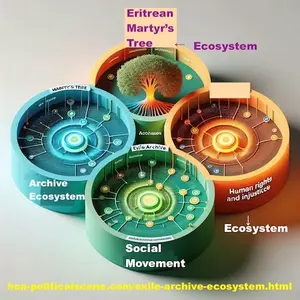
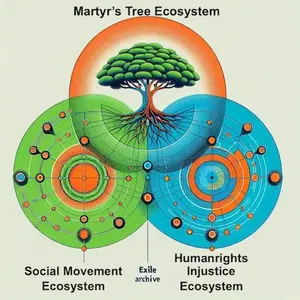
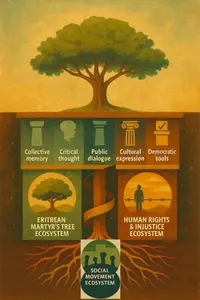
Exile Archive Practical Philosophy was in the Eritrean Martyr's Tree. It was initiated from the plant, grew from the ground with its trunk, branches & leaves.
Exile Archive Five Pillars Structural and Operational!
Exile Archive Five Pillars Structural and Operational! They function as both structure and practice, turning the archive’s public architecture into living, operational pathways.
From Colonial Empires to Space Frontiers: Lessons Unlearned!
[Latest on The Insight Lens]
Exile Archive Power Denial and the Moral Architecture You Must Build - How Dynamic Arc 3 Influences Collective Social Movements?
Exile Archive Action Guide Builds the Grassroots of Social Movement!
Exile Archive Action Guide Builds the Grassroots of Social Movement! It's the basics to solve crises, conflicts, economy, human rights violations & injustice.
Exile Archive's Living Map - A Tree of Life! How It Changes Life?
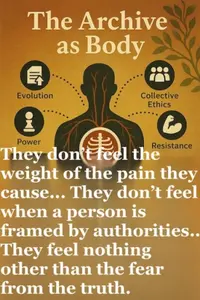
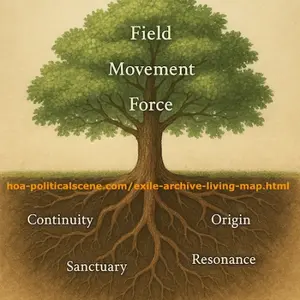
Exile Archive's Living Map - A Tree of Life! It changes lives. A rooted journey from witness & creation to insight, guiding your path through life.
Exile Archive's Living Map - Tree of Creation for Meaning Changes Life
Exile Archive's Living Map - Tree of Creation for Meaning Changes Life: Reflect, inspire new work & deepen your journey through exile & witness.
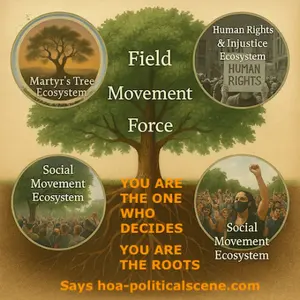
Climate Change: Myths vs. Reality!
[Latest on The Insight Lens]
Exile Archive Power Denial and the Moral Architecture You Must Build - When Conflict Intensifies, the Archive Demands Greater Clarity & Dynamic Arc Ethics...
Exile Archive Emotional, Ethical and Symbolic Beginning! Origin Story!
Exile Archive Emotional, Ethical and Symbolic Beginning: Origin story with inspiration you need to know why social resistance is necessary & when & how to fuel it.
Exile Archive on the Illusion of Neutrality in a World Built by Power!
Exile Archive on the Illusion of Neutrality in a World Built by Power, probes how power shapes neutrality & reveals the structures that define conflict, order & truth.
Seeing Through the Noise: Four Ways to Read the World Without Falling!
Seeing Through the Noise: Four Ways to Read the World Without Falling Into the Trap! 4 how-to methods to understand power, uncertainty & chaos.
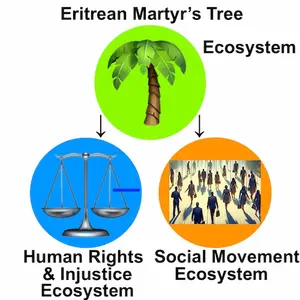


How to Setup International Revolution? How to Setup International Revolution?
Episode 1 - 9 by activist & journalist Khalid Mohammed Osman
Exile Archive Power Denial and the Moral Architecture You Must Build - When Power Turns to War, the Archive Strengthens Its Voice in the Dynamic Poetic Arc...
Exile Archive Imagery Poetry Hub! How Social Resistance Becomes Poetic
Exile Archive Imagery Poetry Hub explores emotional and political poetry revealing exile's origins and early instincts that sharpen your political vision.
Exile Archive Voices Become Frontlines: Art & Literature for Justice!
Exile Archive Voices Become Frontlines: Art & Literature for Justice! The basics of the social movements voices are simple & the archive empowers the vulnerable.
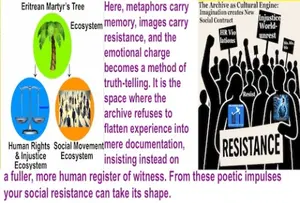
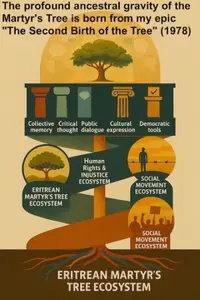
How to resist human rights violations, and injustice?
Video lessons: Episode 11:
HOA Exile Archive Power Denial and the Moral Architecture You Must Build -
Exploring the Unknown: Life, Environment & Cybersecurity!
[Latest on The Insight Lens]
Exile Archive Power Denial and the Moral Architecture You Must Build- As the World Tilts Toward Confrontation, the Archive of Truth in Exile Refuses Ambiguity...
Archive of Truth in Exile: A Living Record of Power and Witness!
The Archive of Truth in Exile: Mapping silence, power, and survival. Testimony against erasure. Making an archive a living witness for you to claim justice.
Archive of Truth in Exile - Testimony Matters!
Archive of Truth in Exile - Testimony Matters: A foundational document on witness, erasure, and the moral architecture guiding the entire archive & raising societies.
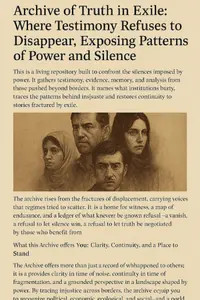

Exile Archive Power Denial and the Moral Architecture You Must Build - Serious Journalism Exposing Human Rights Abuses and Injustice Across Europe...
Substack Exile Archive Presents Fragments of Resistance!
Substack Exile Archive Presents Fragments of Resistance... poetic testimony, legal critique, and public witness from the margins of exile and defiance.
Substack Exile Archive - Ethics of Proximity - Shadow Beneath State!
Substack Exile Archive - Ethics of Proximity - Shadow Beneath State explores how some authorities manipulate and break the system of fairness and justice.
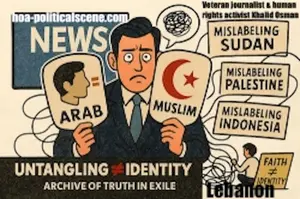
Arab - Muslim: Untangling Faith Identity!
Arab - Muslim: Untangling Faith Identity!

Space Exploration vs. Earth's Survival: The Real Dilemma!
[Latest on The Insight Lens]
Exile Archive Power Denial and the Moral Architecture You Must Build - When Dynamic Concepts Becomes Shields from Conflicts, Injustice and Wars...
Learn Dynamics Through Dynamic Perspectives to Solve Global Problems!
The learning curve of Dynamic Perspectives provides you with a rare opportunity to better understand today's global problems and share the solution with others.
HOA's Dynamic Concept for You to Think Well of Your World!
I reached HOA's Dynamic Concept through close observation to two serious changes that affect our world badly. It is for you, to make the world better.
Dynamic Critique to Global Political History Being Forged, or Plotted!
Dynamic Critique gets in the heart of global political history to criticize it as being forged and even plotted, which has resulted in massive human disasters!
Dynamic Remarks Indicate that Classic Systems are Over Practically!
Dynamic Remarks about why classic systems are over and what is the alternatives to classic political parties. That also means what are the new systems we need.
Dynamic Statement Reveals Serious Global Matters to Deal With!
Dynamic Statement reveals serious matters that affect our lives daily & suggests the solution of complicated matters through basic process to shift all systems.
Space Wars: The Next Frontier!
[Latest on The Insight Lens]
Exile Archive Power Denial and the Moral Architecture You Must Build: Tracing Historical Narratives Through the Dynamics Hub...
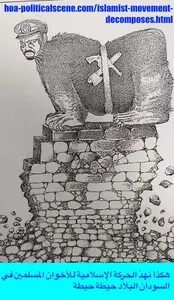
Islamist Movement Decomposes. Factual Facts of the Islamist Movement!
Islamist Movement Decomposes. This is clear to every modern and civilized mind. However, one question remains. Why this so called Islamic Movement is still controlling in some areas?
Conventional Narratives Hub Coverage From History to the Present!
Conventional Narratives Hub covers all narratives historically from the past to the present, whether they are economical, environmental, political, or social.
The Revolution I Would Not Sell!
The Revolution I Would Not Sell is a continuation to the unwritten system I have that proved to be working right! This system achieved planting 5 million trees to spark development.
Ink Between Borders - Exile by Principles: Peace Unheard!
Ink Between Borders - Exile by Principles: Peace Unheard! An urgent reflection on exile, unrecognized peace & moral resistance in post-conflict narratives.
Has International Terrorism Disappeared?
Has International Terrorism Disappeared? A political project like this has many phases. It is likely when the first phase has been done, we see the 2nd, the 3rd, etc...


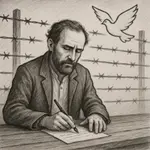
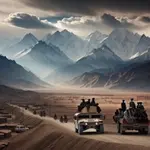
How to resist human rights violations, and injustice, Poetically?
Video lessons: Episode 12
Exile Archive Power Denial and the Moral Architecture You Must Build - High‑Voltage Ideas That Rewire Your Ways of Seeing...
Dynamic Ideas to You as Important Asset in Global Development!
The important asset of dynamic ideas is you. You are asset in global development, even when you feel weak as individual. The dynamical ideas get you strength.
HOA's Dynamic Thoughts on Biggest World Problems & How to Solve Them!
HOA's Dynamic Thoughts are about the world biggest problems, their origin and causes and how to solve them. Be part of the solutions. Subscribe to newsletter.
Dynamic Commentaries to Work the Masses' Dynamics In and Out!
Dynamic Commentaries include dynamic ideas to work the theory of the masses in and out and build the masses era.
Dynamic Comments to Put the Theory into Practice!
Dynamic Comments about the dynamics of the masses, the masses systems and the masses era to help you put the theory into practice.
Dynamic Views to Explore the World's Problems and Solve Crises!
Dynamic Views to explore the global problems, discover their origins and provide solutions to the crises the human and planet face.
Grooving Away Your Worries: How to resist human rights violations, and injustice?
Video lessons: Episode 13
Exile Archive Power Denial and the Moral Architecture You Must Build - How Recent Global Dynamics Manufacture Illusion?
Superstitions Rule Sudan and Other States in the Horn of Africa!
Do you believe in superstitions? The Horn of Africa is superstitious. They spread from Nigeria across Sudan to India! They even nest in the political systems.
The World Superficiality on How People Comply with Dangerous Policies!
The World Superficiality is clear on how people comply with irrational policies that create economical downturn, global warming with pandemics & international terrorism.
How Does Political Illusion of Mass Media Deteriorate our World?
The Political Illusion of Mass Media is a political game played by the power of the capital in regimes that deteriorate the world. Do you know how to manage it?
INTELLECTUAL SHALLOWNESS is Subjective and Objective. How to Avoid it?
Intellectual SHALLOWNESS is mainly political shallowness. It's subjective & objective habit that indicates a superficiality. Here is how not to be superficial.
SUPERFICIALITY DEFINTION & Subjectivity & Objectivity on World Crises!
Intellectual Superficiality expresses a lack of depth when looking into news events, or facts about something. It becomes dangers when misunderstanding involves crises that threaten your life.
The Hidden Dangers of Space Exploration: Are We Going Too Far?
[Latest on The Insight Lens]
HOA Exile Archive Power Denial and the Moral Architecture You Must Build -
How Does Expressive Writing Relieve Stress?
#WellnessTravels_3080
Exile Archive Power Denial and the Moral Architecture You Must Build - Rooted in Sacrifice: The Tree That Holds Three Ecosystems and Five Pillars...
Sudanese Martyr's Day to Make Your Revolutionary Day!
The Sudanese Martyr's Day is a day created by journalist Khalid Mohammed Osman every month, every year to celebrate a Sudanese martyr.
Sudanese Martyr's Actions to Celebrate Martyr's Anniversaries & Revolt
The Sudanese Martyr’s Actions are planned to set you free by participating in martyrs’ anniversaries, and becoming organizer to defeat the totalitarian regime.
5,000,000 Martyr’s Trees Enhance Global Environment!
Khalid Osman's Eritrean Martyr’s Tree invention accomplished planting of 5,000.000 Eritrean martyrs trees & cleaned environment from chemical weapons & mines.

Sudanese Martyr’s Feast to Celebrate Sudanese Martyr's Feats & Revolt!
The Sudanese Martyr’s Feast is a day created by journalist Khalid Mohammed Osman every month, every year to celebrate Sudanese martyrs by planting Martyr’s Tree
Sudanese Martyr’s Tree Posters to Decorate Your Public Place!
The Sudanese Martyr’s Tree Posters for martyrs families & Sudanese opposition campaigners and rallies to use in their camp to conquer the tyrants of Sudan.
Sudanese Martyrs’ Plans to Plant Martyrs’ Trees and Setup Revolution!
The Sudanese Martyrs’ Plans are prepared by activist Khalid Mohammed Osman to carry on social activities to plant martyrs trees everywhere to setup revolution.


Sudanese Martyr's Tree to Plant & Motivate People to Revolt!
The Sudanese Martyr’s Tree, as the Eritrean Martyr's Tree is created by veteran activist and journalist Khalid Mohammed Osman to set the fire of the revolution.
Sudanese Martyr’s Tree Project to Make the Revolution Right!
Sudanese Martyr’s Tree Project planned by activist & journalist Khalid Mohammed Osman to know in details how to carry this project and make revolution right.

Biovians Speak: Trade Wars & Climate Crisis Through Nature’s Voice
[The Insight Lens]
Exile Archive Power Denial and the Moral Architecture You Must Build - When Destructive Dynamics Pull You Into Focus, Mind You?
HOA's Global Alerts Get You Setup to Build a System to Prevent Dangers
HOA's Global Alerts aren't intended to sit you in state of being watchful for possible dangers, but they set you up to prevent such dangers by building a system.
I am Asking You to Be Clever & Think How to Save Yourself & the World!
I am Asking You to be clever & think of conflicts, ecological, economical, health & social crises created by bad planning. Then decide to change that by the LPE.
Doctor Feeling Good Will Put Your Healthy Body in Your Healthy Mind!
Doctor Feeling Good will put your healthy body in your mind by the LPE theory of the people to save you and the world from disasters created by mess in planning
HOA's Mastermind Says International Terrorism is a Capitalist Industry
HOA's Mastermind Says International Terrorism is a Capitalist Industry! He founded the network of solutions that resolve global terrorism, manage crises & foster world peace.
How to Be the Memory and Consciousness of All Generations?
How to Be the Memory and Consciousness of All Generations is not a personal matter, but rather a public matter that makes everyone just become that person and live in the future.

Space Exploration: Worth the Risk or Too Costly?
[Latest on The Insight Lens]
Exile Archive Power Denial and the Moral Architecture You Must Build: When Conventional Narratives Distort the Course of History...
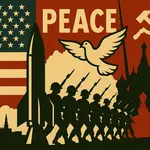
The Cold War Era: A Battle of Ideologies and Influence!
The Cold War Era: A Battle of Ideologies and Influence! In my opinion, the world was better and more stable than today's world. What do you think?
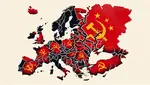
The Eastern Europe Socialist Bloc Fragmentation!
The Eastern Europe Socialist Bloc Fragmentation costs effectively until today. Are there any real causes of the deterioration of great counties in the world?
Conventional Narratives Are Always Wrong!
Why Am I Saying Conventional Narratives Are Always Wrong? Explore the connection of these narratives from colonial era until this era and know what to do!
Established Frameworks Invisible Forces Shaping Perception!
Established Frameworks Invisible Forces Shape Perception! The insights help you escape narratives that control your life & help others build a better world.
How Dominant Perspectives Shape Our World?
How Dominant Perspectives Shape Our World? Explore to know what to accept and what to refuse.
Climate Change vs Trade Wars: A Futuristic Warning!
[Latest on The Insight Lens]
Exile Archive Power Denial and the Moral Architecture You Must Build - Intelligentsia Press Media 1: The Editorial Pulse of Dynamics...
Intelligentsia 56 Makes You More Brilliant to Make Your World Better!
Intelligentsia 56 is brilliant. So, you are. It develops the way you are thinking to be brilliant more and make your world better.
Intelligentsia 57 Captures Your Mind to Make You Intuitional!
Intelligentsia 57 captures your mind to develop your thinking capacities, so you can see what's wrong in the world and make it right.
Intelligentsia 58 Opens Your Mind into the Late Eighties Up to Now!
Intelligentsia 58 opens your mind into the period from the late eighties until now and rebuilds the capabilities of your mind, so you can see what's gone wrong with the world.
Intelligentsia 59 Shows You How to Ally Yourself with Socialism & Why?
Intelligentsia 59 Shows You How to Ally Yourself with Socialism. Is it because it's Humane & we're all humans, or what? A process to rebuild your mind capability to save yourself & the world & rebuild it.
Intelligentsia 60 Actions to Do When World Crises Knock on Your Door!
Intelligentsia 60 Actions to Do When World Crises Knock on Your Door! World crises reflect at home, unfolding how to act globally, think locally.

Robot Debate: Science & Innovation Breakthroughs!
[Latest on The Insight Lens]
Exile Archive Power Denial and the Moral Architecture You Must Build - Inside Press Media Dynamics 2: Why Ethical Journalism Still Matters? Is There Any?
How Does Political Illusion of Mass Media Deteriorate our World?
The Political Illusion of Mass Media is a political game played by the power of the capital in regimes that deteriorate the world. Do you know how to manage it?
Intelligentsia Multimedia Newspaper Revolutionizes Knowledge!
Intelligentsia Multimedia Newspaper revolutionizes knowledge. It develops your mind prudently to know the real reasons of world disasters & teaches you how to tackle them.
Principles of Press Media that Make You a Professional Journalist!
What are the Principles of Press Media that Make You a Professional Journalist? They are ethical and professional. You should know them, before even thinking of doing journalism.
Citizen Journalism Can Save the World From Political Catastrophes!
Citizen Journalism Can Save the World From Political Catastrophes! How can CJ save the world from political catastrophes?
Ethical Journalism Combats Dominant Narratives! Your Pen is Authority!
Ethical Journalism Combats Dominant Narratives! Press freedom is essential, as long as the press is the fourth power that focuses on the truth. You're powerful
News Robot Anchors: The Future of News Reporting
[Latest on The Insight Lens]
Exile Archive Power Denial and the Moral Architecture You Must Build - Shared Patterns of Injustice in Europe: How to Resist Human Rights Violations in Denmark?
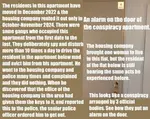
Are Odense Municipality, CIVICA Housing Company & the Police Corrupt?
Are Odense Municipality, CIVICA Housing Company & the Police Corrupt? More than seventy years of foreigners presence in Denmark has corrupted Denmark.
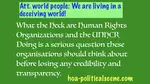
What the Heck are Human Rights Organizations and the UNHCR Doing?
What the Heck are Human Rights Organizations and the UNHCR Doing is a serious question these organisations should think about before losing any credibility and transparency.
In Denmark They Violate Human Rights for Money
In Denmark They Violate Human Rights for Money! This is a real time report you can call real life story that expose privacy and thus human rights violations in Denmark.
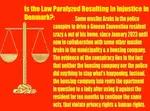
Is the Law Paralyzed Resulting in Injustice in Denmark?
Is the Law Paralyzed Resulting in Injustice in Denmark? This question exposes how some people from a specific culture can make things worse, when they are employed in the police forces.

Political News: No Political Borders Should Exist Between Humans!
Political News to dynamically minimize the political borders between humans. The mind is ours and you learn from a century of persistence.
Refugees in the Long Run to Survive!
Hot times refugees will emerge whenever there's crisis on Earth. What should we do for them? Best answer: Give them new homes & warm feelings. Unfortunately...
Refugees in Denmark Lacking the Bright Future!
The situations of refugees in Denmark impose the question why Denmark is tough with the UN Convention political refugees? This is the toughest question I have been asked!
Human Rights Violations and Injustice Across Borders: Strategies for Resisting Injustice in Denmark -
Video Lessons, Episode 14
Exile Archive Power Denial and the Moral Architecture You Must Build - The Horn of Africa and the World: A Dynamic Political Ecosystem...
The Horn Africas Network is for the Horn of Africa's Friends to Meet!
The Horn Africas Network aims to help friends who are burning from the political disasters to come together, share political ideas, read for knowledge & unite.
HOA Indexes Some Sacred Literary and Political Stories!
The HOA Index Network indexes literary & political stories that may change the way you look to politics in your area & develop your life from such new look and feel.
Horn Africas Political Tragedy As Seen On Apple iTunes To Fund Your...
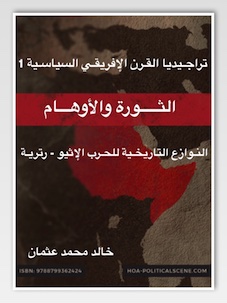
Horn Africas Political Tragedy as seen on Apple iTunes to fund your tragedies! The book uncover the political tragedy in the Horn of Africa through decades of oppression. Every country is covered thoroughly, just to learn and know.


The Age of Gold: How Trade Wars and Economic Policies Shape the Future?
[Latest on The Insight Lens]
You Stand at the Edge of the Moral Reckoning!
You arrive at the closing of this page carrying the weight of power denial and the long history of failing systems that shaped your life. You have walked through the collapse of accountability and the corrosion of public trust. You have seen how institutional corruption grows when no one speaks and how moral architecture breaks when people are taught to accept silence as safety.
But you also know that nothing changes until you act.
- You know that rebuilding justice begins when you reclaim agency and refuse the comfort of denial. You know that public witness is the only force strong enough to challenge authority when it forgets its purpose. You know that collective action is the root of every transformation that ever mattered.
This page is not a monologue. It is a threshold.
It is a call for you to step forward and become part of the work of rebuilding moral life. Your voice matters here. Your experience matters. Your refusal to look away matters. When you speak you weaken the structures that depend on silence. When you comment you expose the fractures that institutions try to hide. When you share this page you widen the circle of witness and strengthen the possibility of renewal.
So I invite you to respond.
- I invite you to leave your mark on this page.
- I invite you to challenge what you have seen and add your own testimony to this archive.
Your words are part of the moral architecture we must rebuild together.
- If this page speaks to you share it.
- If it unsettles you comment.
- If it awakens something in you let others know.
Every act of engagement is a step toward reclaiming dignity and restoring the ethical center that failing systems have tried to erase.
- You are not a spectator.
- You are part of the rebuilding.
And the work begins with your voice.
Have A Great Story About This Topic?
Do you have a great story about this? Share it!
Concerned about Conflicts Fact that Never Been Disclosed?
Get Horn Africa's Political Tragedy.
Recent Articles


-
HOA's Interval with Wisdom Nuggets of Inspiring Ethical Proverbs!
Sep 09, 26 04:59 AM
 HOA's Interval with Wisdom Nuggets of Inspiring Ethical Proverbs! You can see your ethics & the ethics of the surroundings clearly to develop & enhance your own.
 -
Intelligentsia 61 from Danish Injustice to American War Abortion of
Aug 29, 26 11:14 AM
 Intelligentsia 61 from Danish Injustice to American War Abortion of Iranian Revolution and Media Stupidity, world people fall into the trap of manipulation.
 -
When, Why and How the European Paradise Became Hell on Earth?
Aug 23, 26 10:20 AM
 When, Why and How the European Paradise Became Hell on Earth? This one in the dynamics will make your mind spin and reflect with clarity to address this matter.
Some Support is Appreciated so Much!
When I get a new information, or a good read, my conscience tells me to be obliged to whom has added a drop of knowledge with some values in my life by doing some good deeds to him. Some links here get me a little power to support some people in need, indeed, by paying my subscription to international human organizations I am part of their generous good deeds. Like this at Awassa.
A Friend in Need is A Friend Indeed!
How many times have you fallen like a mountain, because you were great with your inspirations, guidance and professional teaching and later on found some people you made professional drawn in luxuries and never cared about you?
A hand up is better than a hand down. Share a link of a page you liked in great sites, but please not FACEBOOK. I am a man of principles.
A Man is Known by the Company he Keeps!
True, don't you think so? I can tell you stories and stories about that. Can you tell me one in details with the original cultures of the world it refers to? Take the cultural section by a huge and write that in the comments form.
Healthy Citizens are the Greatest Asset any Country can have!
It's true. But, he didn't know what ill governance can do for healthy citizens, or how ill monarchies can bring healthy citizens into miseries, or why great powers play by the fates of so many healthy citizens in the world.
Know any similar situations where healthy citizens are broken by the ruling elites in any country? Bring that into readers' attention through the comments form at Are You Intellectual?
Global Dynamics to Make Everyone Intellectual
Look for the top 100 Google most searched terms globally in 2021. You will not find any single thing that any person looks for and wants to know about, or use in daily life, such as food, health, education, cinema, tv, news, developing qualities and qualifications, playing, traveling, and even what causes Coronavirus and other pandemics, which are real threats to all people lives etc... You will find only search terms used for top social media, Youtube, search engines and Amazon. Political illiteracy is what matters to me to educate. See Global Dynamics & signup for the newsletter.
Did you get any of my books from Apple Books?
Click here to tell me & get some free books. Fill the form.
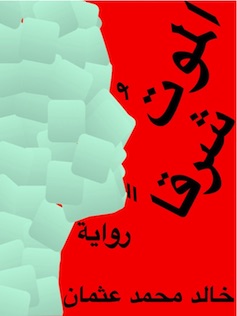
رواية "الموتُ شرقاً" تكشف لك سرّ الموت الشرقي التراجيدي المستمر للإنسان
احصل علي الرواية الآن واكتشف إنهيار القواسم المشتركة، واستلهم إبداعا يشبه الأسطورة في النص الروائي
"Follow", "like", "tweet", or "pin" the pictures to express your love! Thanks
TweetHorn Africa's Political Tragedy

Love in the Internet Time on Apple Books

Rising of the Phoenix Poetry on Apple Books

Free Poetry Picture Book
Free poetry picture book on Apple Books. You can use the images on public places for your customers to enjoy, while taking coffee.

The French & Spanish Versions
You can work the French versions and the Spanish versions of the two books above with me on, one on one bases. Contact Us.
HOAs Political Poetry Imaged
I'll be thankful, if you get one of my books.
My Books!