How War Narratives Form Before the First Shot: U.S., Israel, and Iran!
How War Narratives Form Before the First Shot: U.S., Israel, and Iran: Before entering the analytical sections of this page, you must understand the broader context: this is an examination of the United States-Israel-Iran conflicts, not as isolated events, but as the latest chapter in a long historical pattern where wars are prepared, justified, and mobilized through narratives.
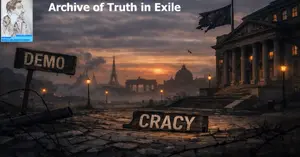
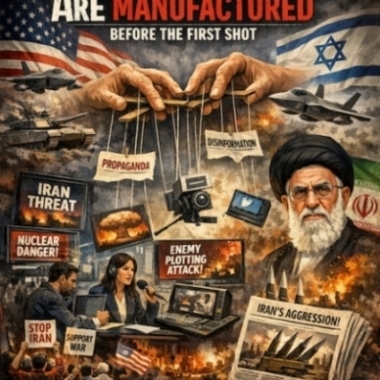 How War Narratives Form Before the First Shot: U.S., Israel, and Iran: An image highlighting war‑focused narratives in Iran both those used by the authoritarian regime to delegitimize domestic protests and those centered on an American‑Israeli effort to topple the government by force... these discourses have ultimately weakened the protest movement and reinforced the regime's grip on power.
And before you get the truths I have gotten from experiences that spans through 50+ years, which make the HOA Network stand alone with its own strong position to face these severe conditions that make many people vulnerable, destabilised, and keeping them suffering, everything I have given myself to it makes me suffer and suffer more when I see many people suffering and it keeps me well-focusing in exposing these anatgonizing and framed narratives.
How War Narratives Are Manufactured Before the First Shot?
The HOA Political Scene Network has explored these mechanisms for years... conventional narratives, media narratives, social narratives, etc... and the conclusion is always the same: narratives are never neutral. They are constructed by political forces, shaped by institutional interests, and deployed to manufacture consent for actions that carry devastating consequences.
The recent American, Israeli, and Iranian confrontations are no exception. They follow the same historical logic, the same narrative engineering, and the same geopolitical choreography that has driven conflicts across historical periods. This page exposes Pre‑War Storytelling: The Hidden Architecture of Conflict and how these narratives are formed, how they operate, and how they prepare societies for war long before the first shot is fired.
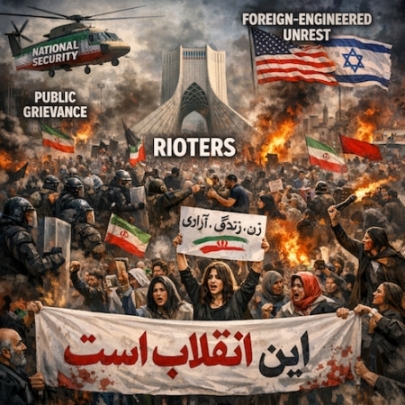 How War Narratives Form Before the First Shot: U.S., Israel, and Iran: The image captures the competing narratives that have defined Iran's protest movement: the grassroots struggle for dignity and freedom, the regime's portrayal of demonstrators as foreign‑backed agitators, and the broader geopolitical framing that casts every act of dissent as part of an Iranian‑American‑Israeli confrontation. Together, these overlapping storylines - especially the narrative of an impending regional war - diluted the focus on the protesters' demands, weakened a movement that had shown unprecedented strength, and ultimately helped preserve the authoritarian regime at a moment when it was most vulnerable.
Section 1: How States Engineer the Story of an Inevitable War?
What you will read in the introduction of "How War Narratives Form Before the First Shot: U.S., Israel, and Iran"?
- The introductory argument.
- The conceptual framing.
- The diagnosis of narrative engineering.
- The transition into the broader geopolitical context.
- The setup for the later sections.
Modern wars do not begin with missiles or military orders. They begin with stories carefully shaped, strategically repeated, and designed to prepare entire populations for the acceptance of violence. Long before the first explosion, a narrative infrastructure is already in place, defining who is "rational," who is "dangerous," who deserves sympathy, and who must be contained. These narratives are not accidental; they are the pre‑operational phase of conflict, the psychological battlefield where consent is engineered and alternatives are erased.
In every major confrontation of the last decades, the same pattern appears. International media outlets construct a vocabulary of inevitability: threat, instability, deterrence, rogue actors, precision strikes, national security. These terms are not descriptive; they are directive, pushing public perception toward a single conclusion that escalation is unavoidable and that war is the only language left.
At the same time, regional Arab and Muslim media build their own counter‑narratives, equally simplified and equally instrumental: resistance, betrayal, normalization, martyrdom, conspiracy. Each side claims moral clarity, yet both reduce complex realities into slogans that mobilize emotions rather than understanding.
This dual narrative machinery creates a closed circuit where nuance disappears. International media frame Iran, its allies, and its actions through a lens of permanent suspicion, while Arab and Muslim media frame the same events through identity‑based loyalties and historical grievances.
The result is not two competing truths, but two parallel illusions, each reinforcing the momentum toward confrontation. When these narratives reach saturation, war becomes not a political decision but a psychological expectation.
This is the environment in which the recent conflicts emerged. The public did not witness a sudden eruption; they witnessed the final stage of a long narrative preparation. And once the war narrative took hold, it did more than justify military action, it erased other stories, including the most significant internal movement Iran had seen in decades:
- a nationwide protest wave that was gaining strength, coordination, and international visibility. The shift from "protest coverage" to "war coverage" was immediate and total, burying a domestic uprising under the noise of regional and international escalation.
The disappearance of the Iranian protests is not a side effect; it is a central consequence of how war narratives operate. When states enter a security crisis, regimes gain legitimacy, dissent becomes treason, and the world's attention is redirected toward geopolitical spectacle.
The Iranian people, who were on the verge of reshaping their political future, suddenly found themselves pushed out of the global frame. Their struggle was replaced by a narrative of national confrontation, allowing the regime to tighten its grip under the pretext of external threat.
This page examines how these narratives were constructed, how they converged, and how they ultimately served to silence a population that was closer than ever to challenging its rulers.
It traces the long hostility between Iran, the United States, and Israel; the regional realignments accelerated by American policy; the targeting of U.S. installations by Iran; and the media ecosystems that transformed these tensions into a self‑fulfilling prophecy of war.
Most importantly, it exposes how the shift to war narratives neutralized a historic moment of internal resistance, replacing the possibility of political change with the inevitability of conflict.
Reflection to Remember Always...
This page and every page work as a sea waves, driving information to the shore. They are weaving intertextual architecture across the HOA Political Scene Network, connecting the entire contextual content of many conventional narratives and geopolitical issues all together.
This is because the Exile Archive Forty Chambers of Witness and Ethical Renewal and the other articles in the Archive of Truth in Exile are about witness exploring lived authorities forging legal documents, framing cases to incriminate innocents, beside other injustice issues like conflicts across borders, gender discrimination, geopolitics, human rights violations, and public manipulation through decades of illusive information.
Here is where the Exile Archive becomes the same intellectual lineage. This page unify the architectural, the ethical, the geopolitical, the historical and the poetic. The HOA Political Scene Network has become earlier a multi‑layered ecosystem, not a collection of disconnected pages. It is developed more to be the voice of those who have no voice to stand on real ethical independent journalism, not the one that aligns itself with any power. Let it become your voice.
Section 2: International vs Arab / Muslim Media Narratives!
What you'll read in "International vs Arab/Muslim Media Narratives"?
- The historical evolution of both media ecosystems.
- How each side constructs simplified identity‑based narratives?
- The linguistic tools used to justify escalation.
- The psychological impact of repeated framing.
- How opposing narratives still converge toward war?
- The link between media polarization and geopolitical momentum.
What this section examines?
- How two major media ecosystems: international and Arab/Muslim construct opposing but equally reductive narratives?
- The historical and ideological foundations that shape each media bloc.
- The mechanisms through which media framing accelerates escalation and normalizes conflict.
- How linguistic choices create psychological alignment with war.
- The convergence of both ecosystems toward a shared outcome: the erosion of nuance and the amplification of confrontation.
- How this narrative polarization prepares the ground for the geopolitical dynamics explored in Section 3?
Historical / Conceptual Frame
The divide between international media and Arab / Muslim media is not a recent phenomenon. It is the product of decades of political alignment, ideological rivalry, and institutional conditioning. International media dominated by Western outlets operate within a framework shaped by state interests, security doctrines, and long‑standing alliances. Their narratives reflect the geopolitical priorities of the United States, Europe, and Israel, where Iran is consistently positioned as a destabilizing force.
Arab and Muslim media, on the other hand, emerged from a different historical trajectory: post‑colonial identity formation, authoritarian state control, pan-Arab sentiment, sectarian competition, and the politics of resistance.
These outlets often operate under government influence or weak and framed opposition agendas, each with its own ideological commitments. Their narratives are shaped by regional grievances, historical memory, and the struggle for legitimacy within fragmented political landscapes.
The result is not simply two media systems reporting the same events differently. It is two narrative universes, each with its own logic, vocabulary, and emotional triggers.
Narrative Mechanism
International media rely on a set of recurring linguistic patterns that frame Iran and its allies as perpetual threats. Terms like "rogue state," "proxy network," "regional destabilizer," "nuclear ambition," and "security challenge" are deployed to create a sense of inevitability around confrontation.
These narratives present military escalation as a rational response to an irrational adversary. The framing is technical, sanitized, and often detached from the human consequences of conflict.
Arab and Muslim media employ a different but equally rigid vocabulary. Words such as "resistance," "martyrdom," "betrayal," "normalization," and "occupation" dominate the discourse. These terms are emotionally charged and identity-driven, designed to mobilize collective sentiment rather than encourage critical analysis.
They transform geopolitical events into moral battles, where loyalty and betrayal become the primary categories of interpretation.
Despite their differences, both ecosystems share a common operational logic:
- they simplify complex realities into binary narratives that justify escalation.
International media normalize military action by presenting it as strategic necessity. Arab and Muslim media normalize confrontation by framing it as moral obligation.
In both cases, the mechanism is the same:
reduce complexity → amplify emotion → eliminate alternatives → prepare the public for conflict.
Consequences + Link to Section 3
The polarization of media narratives creates a psychological environment where war becomes not only acceptable but expected. Each side reinforces its own worldview while dismissing the other as propaganda. This mutual reinforcement accelerates the momentum toward confrontation, leaving little room for diplomacy, internal reform, or alternative political futures.
This narrative polarization also sets the stage for the geopolitical dynamics examined in the next section. The hostility between Iran, the United States, and Israel is not only a matter of military strategy or political rivalry; it is sustained and intensified by the media ecosystems that frame each actor as inherently antagonistic.
Understanding these narrative mechanisms is essential before analyzing the deeper historical hostility and regional alignments that drive the conflict.
Section 3 will examine how decades of US-Iran-Israel antagonism, regional alliances, and strategic calculations transformed narrative polarization into geopolitical inevitability.
Section 3: US-Iran-Israel Hostility and Regional Alignments!
What this section examines?
- The long historical trajectory of hostility between the United States, Iran, and Israel.
- How ideological, strategic, and security doctrines shaped this triangular antagonism?
- The regional alignments that emerged around this hostility, especially after the 2000s.
- How American policy - particularly during the Trump administration - reconfigured alliances in the Middle East?
- Why Iran targets U.S. installations in the region as part of a broader strategic logic?
- How these geopolitical dynamics create the structural conditions for escalation, setting the stage for the events analyzed in Section 4?
Historical / Conceptual Frame
The hostility between the United States, Iran, and Israel is not a sudden development; it is the product of decades of ideological confrontation, strategic mistrust, and competing regional visions. Since the 1979 Iranian Revolution, Iran has positioned itself as the primary challenger to U.S. influence in the Middle East and as the central opponent of Israel's regional presence.
In response, the United States and Israel have treated Iran as a structural threat - politically, militarily, and ideologically.
This triangular hostility intensified after the end of the Cold War, when Iran's regional influence expanded through alliances in Lebanon, Iraq, Syria, and Yemen. Israel viewed this expansion as an existential challenge, while the United States saw it as a direct threat to its military footprint and its network of alliances with Arab states.
Over time, this produced a rigid geopolitical architecture: Iran on one side, and a U.S.-Israel-Arab alignment on the other, each reinforcing the other's fears and strategic calculations.
The nuclear issue further deepened the divide. Iran's pursuit of nuclear capabilities - whether for deterrence, prestige, or regime security - triggered a series of sanctions, covert operations, and diplomatic confrontations.
These measures entrenched the perception that Iran was a destabilizing actor, while Iran interpreted them as evidence of Western hostility and the need for stronger deterrence.
Narrative Mechanism
The narratives surrounding this triangular hostility are not merely reflections of geopolitical reality; they actively shape it. In U.S. and Israeli discourse, Iran is consistently framed as a "regional aggressor," "terror sponsor," and "existential threat."
These labels justify military preparedness, sanctions, and pre-emptive actions. They also create a political environment where de-escalation appears risky and confrontation appears necessary.
Iran's narrative operates in the opposite direction but with similar rigidity. The United States is portrayed as an imperial power seeking to dominate the region, while Israel is framed as an illegitimate occupier and a permanent adversary.
These narratives justify Iran's support for non-state actors, its missile development, and its strategy of targeting U.S. installations in the region. From Iran's perspective, these actions are not provocations but responses to a hostile regional order shaped by American military bases, Israeli airpower, and Arab normalization efforts.
The Trump administration intensified these dynamics. Trump's visits to Saudi Arabia and other Arab states signaled a renewed U.S. commitment to building an anti-Iran coalition. Arms deals, diplomatic realignments, and normalization agreements between Israel and several Arab states reinforced Iran's perception of encirclement.
In this context, Iran's targeting of U.S. installations is not random aggression; it is part of a strategic logic aimed at deterring American influence and signaling regional reach.
Thus, the narrative mechanism on all sides transforms geopolitical rivalry into a self‑reinforcing cycle: each actor interprets the other's actions through a lens of hostility, and each narrative justifies further escalation.
Consequences + Link to Section 4
The triangular hostility between the United States, Iran, and Israel creates a regional environment where conflict becomes structurally embedded. Alliances harden, military postures intensify, and diplomatic options narrow. This environment not only fuels direct confrontations but also shapes the internal dynamics of states within the region.
For Iran, external hostility provides the regime with a powerful narrative tool: the claim that national survival requires unity against foreign enemies. This narrative becomes especially potent during periods of domestic unrest.
When protests erupt, the regime reframes them as threats manipulated by external adversaries, allowing it to justify repression under the banner of national security.
This is the critical link to Section 4.
The Iranian protests - strong, widespread, and potentially transformative - were unfolding within this hostile geopolitical architecture. When regional escalation intensified, the regime used the external threat to silence internal dissent, while global media shifted attention away from the protesters and toward the conflict.
Section 4 will examine how these protests emerged, why they were gaining momentum, and how the shift to war narratives effectively erased them from the global stage.
Section 4: Iranian Protests and How War Erased Them!
What this section examines?
- The scale, momentum, and political significance of the Iranian protests before regional escalation.
- Why these protests represented the most serious internal challenge to the Islamic Republic in decades?
- How the regime responded to the protests and why it was struggling to contain them?
- How the shift to war narratives - regionally and internationally - redirected global attention away from Iran’s internal crisis?
- How external conflict provided the regime with a pretext to suppress dissent under the banner of national security?
- How the disappearance of the protests from global media reshaped the political landscape inside Iran, setting the stage for the dynamics explored in Section 5?
Historical / Conceptual Frame
Before the recent wave of regional escalation, Iran was experiencing one of the most sustained and widespread protest movements in its modern history. These protests were not isolated incidents; they were the culmination of years of economic hardship, political repression, and generational frustration.
The death of Mahsa Amini ignited a national uprising that cut across class, ethnicity, and geography. For the first time in decades, the regime faced a movement that was not limited to reformist demands but openly questioned the legitimacy of the Islamic Republic itself.
The protests were decentralized, youth-driven, and technologically coordinated. They spread from major cities to smaller towns, from universities to bazaars, from Kurdish regions to the capital.
The slogans were direct, uncompromising, and aimed at the core of the regime's authority. This was not a reform movement; it was a challenge to the entire political structure.
Internationally, the protests gained significant visibility. Global media covered them extensively, diaspora communities amplified them, and governments issued statements of support. For a moment, the Iranian people's struggle occupied the center of global attention, and the regime appeared vulnerable.
Narrative Mechanism
The shift from protest coverage to war coverage was not accidental; it was the result of how media ecosystems prioritize geopolitical conflict over domestic political movements.
When regional tensions escalated, international media rapidly redirected their focus toward military developments, strategic calculations, and state-level confrontations. The Iranian protests, once a leading global story, were pushed to the margins.
This shift had profound consequences. The regime immediately reframed the protests as foreign-influenced disturbances, exploiting the external threat to delegitimize internal dissent. The narrative of "national security" replaced the narrative of "public grievance."
In this environment, repression became easier to justify, both domestically and internationally. Arrests increased, surveillance intensified, and the regime used the cover of geopolitical crisis to dismantle protest networks.
At the same time, Arab and Muslim media - preoccupied with regional alignments, proxy dynamics, and ideological narratives - also deprioritized the Iranian uprising. The protests did not fit neatly into the identity-based frameworks that dominate regional discourse. As a result, the Iranian people's struggle was overshadowed by the larger geopolitical confrontation.
The mechanism is clear: war narratives override domestic narratives, and regimes exploit this shift to consolidate power.
Consequences + Link to Section 5
The disappearance of the Iranian protests from global attention had immediate and long-term consequences. The regime regained control of the narrative, portraying itself as the defender of national sovereignty against external threats.
The momentum of the protests slowed as repression intensified and international visibility declined. A movement that had the potential to reshape Iran's political future was effectively neutralized by the shift to regional conflict.
This dynamic is not unique to Iran; it is a recurring pattern in authoritarian systems. External crises provide regimes with opportunities to silence dissent, justify repression, and reassert control. The Iranian case is a clear example of how war narratives can erase internal revolutions, replacing the possibility of political transformation with the logic of national security.
Section 5 will examine how regimes systematically use war, crisis, and external threats to suppress internal movements, and how this mechanism has shaped political outcomes across the region.
Section 5: How Regimes Use War to Silence Internal Revolutions?
What this section examines?
- How authoritarian and semi‑authoritarian regimes exploit external conflict to suppress domestic dissent?
- The political logic behind shifting national attention from internal grievances to external threats.
- The mechanisms through which states reframe protests as security risks or foreign conspiracies.
- How war narratives provide legal, ideological, and psychological cover for repression?
- Why internal movements lose visibility and momentum once geopolitical escalation begins?
- How this pattern applies to Iran and connects back to the broader regional dynamics analyzed in previous sections?
Historical / Conceptual Frame
Throughout modern history, regimes facing internal crises have relied on external conflict to reassert control. This pattern is not unique to any one region; it is a structural feature of political systems that lack democratic legitimacy.
When confronted with protests, economic collapse, or demands for reform, these regimes often turn to the language of national security to delegitimize dissent. War - whether real, anticipated, or manufactured - becomes a political instrument.
In Latin America, North Africa, the Middle East and South Asia, this dynamic is particularly pronounced. States with fragile institutions and contested authority frequently use external threats to unify the population, silence opposition, and justify extraordinary measures.
The logic is simple: when the nation is "under attack," dissent becomes treason, criticism becomes sabotage, and protesters become "agents of foreign influence". These narratives allow regimes to shift the political conversation from accountability to survival.
Iran fits squarely within this historical pattern. The Islamic Republic has long relied on the rhetoric of external enemies - whether the United States, Israel, or regional rivals - to maintain internal cohesion.
During periods of domestic unrest, this rhetoric intensifies, transforming political grievances into alleged security threats. The regime's survival strategy is built on the idea that external hostility justifies internal repression.
Narrative Mechanism
The mechanism through which regimes use war to silence internal revolutions operates on three interconnected levels: narrative, institutional, and psychological.
1. Narrative Level
Regimes reframe protests as foreign‑backed plots.
State media amplify claims that demonstrators are manipulated by external powers, funded by hostile governments, or acting as agents of destabilization. This narrative delegitimizes the protesters and shifts public perception from sympathy to suspicion.
2. Institutional Level
Once protests are labeled as security threats, the state gains legal and operational justification to deploy harsher measures.
Security forces receive expanded authority, surveillance intensifies, and emergency laws are invoked. Actions that would normally provoke public outrage - mass arrests, internet shutdowns, lethal force - are reframed as necessary for national defense.
3. Psychological Level
War narratives create fear, uncertainty, and a sense of vulnerability.
Citizens who might otherwise support protests become hesitant, believing that instability could lead to foreign intervention or national collapse. The regime positions itself as the only force capable of protecting the nation, turning dissent into a perceived risk.
In Iran's case, the shift to regional conflict provided the regime with a powerful narrative shield. The protests, once a central political issue, were overshadowed by claims that the nation was facing external aggression. This allowed the regime to suppress dissent with minimal international scrutiny and reduced domestic resistance.
Consequences + Link to the Broader Argument
The use of war to silence internal revolutions has profound consequences. It freezes political development, entrenches authoritarian rule, and erases movements that might otherwise reshape national futures.
In Iran, the protests represented a genuine possibility for political transformation. Their disappearance under the weight of war narratives demonstrates how external conflict can extinguish internal momentum.
This dynamic also reinforces the broader argument of the entire page: wars are not only fought on battlefields, they are prepared, justified, and sustained through narratives that reshape political realities.
Media ecosystems, geopolitical alignments, and state propaganda converge to create an environment where internal struggles are overshadowed, marginalized, or erased.
The Iranian case is a clear example of how regimes weaponize external threats to maintain power. It also illustrates the broader regional pattern in which conflict becomes a tool for political survival, not merely a consequence of geopolitical rivalry.
This completes the analytical arc of the page, linking narrative engineering, media polarization, geopolitical hostility, and the suppression of internal movements into a single coherent framework.
Introductory Bridge: From War Narratives to Economic Confrontations - The Next Layer of Global Disorder!
This is the immediate page to read next, when you finish reading the Sections of the Dynamics.
It is directly intertwined with the themes explored here, shifting from the geopolitical narratives surrounding Iran, the U.S., and Israel to the deeper economic confrontations now reshaping global power.
While this page focuses on the stories, strategies, and perceptions driving the conflict, the next page uncovers how these tensions spill into markets, trade routes, energy flows, and financial systems. It reveals the economic undercurrents that often determine the real winners and losers long before the battles end.
The analysis you have just completed reveals how narratives, media ecosystems, and geopolitical alignments manufacture the conditions for war. But these mechanisms do not operate in isolation. They are part of a broader global architecture in which economic power, trade rivalries, and financial coercion play an equally decisive role in shaping conflict and suppressing political transformation.
What begins as a narrative battle often evolves into an economic confrontation. What appears as a regional conflict is frequently rooted in global competition for markets, resources, and technological dominance. And what looks like a spontaneous escalation is often the visible surface of deeper structural tensions that have been building for years.
The same logic that governs war narratives also governs trade wars, sanctions regimes, currency manipulation, and economic fragmentation. These tools are not merely economic instruments; they are political weapons used to discipline states, reward allies, punish adversaries, and reshape global hierarchies. They create new dependencies, new vulnerabilities, and new forms of conflict that do not require armies but can be just as destructive.
The next page will examine these dynamics in detail.
It will trace how the global economy has shifted from cooperation to confrontation, how trade wars have become normalized, and how economic narratives are used to justify policies that deepen inequality and fuel geopolitical instability. It will show how the same mechanisms that silence internal revolutions through war also silence them through economic pressure, austerity, and manufactured scarcity.
If you want to understand the full architecture of global disorder, you must follow this transition. The lessons of the Archive of Truth in Exile do not end with war narratives; they extend into the economic structures that sustain conflict and prevent societies from achieving justice, stability, and peace.
To build ethical realities for world peace, you must learn to recognize not only the stories that lead to war but also the economic narratives that justify exploitation, fragmentation, and global competition. The next sections of the Archive will provide the analytical tools to understand these forces and the strategies needed to confront them.
This bridge marks the transition from the geopolitical dynamics of war to the economic dynamics of global fragmentation. Together, they form the foundation for a deeper understanding of how power operates in the modern world and how it can be challenged.
Conclusion: What These Narratives Reveal And What You Must Do With Them?
The five sections of this page expose a single, unavoidable truth: wars are not accidents of history; they are manufactured outcomes of narratives, alignments, and political calculations. They begin long before the first missile is launched, in the language that shapes perception, the media ecosystems that normalize escalation, and the geopolitical structures that reward confrontation over reform.
You must understand that these narratives are not neutral. They are instruments of power.
- They determine which lives are visible, which struggles are erased, and which futures are allowed to exist.
- They decide whether a protest becomes a revolution or disappears under the weight of a regional crisis.
- They define whether a nation’s internal demands for dignity and justice are heard or silenced.
The lessons are clear:
- Narratives prepare societies for war by eliminating alternatives.
- Media ecosystems amplify simplified identities that justify confrontation.
- Geopolitical hostility creates the structural conditions for escalation.
- War narratives erase domestic movements that threaten authoritarian regimes.
- States use external conflict to suppress internal revolutions and consolidate power.
These are not abstract observations. They are the mechanisms that shaped the fate of the Iranian protests, the regional alignments, and the broader dynamics of conflict across the Middle East.
But understanding these mechanisms is not enough. You must recognize their own power within this landscape.
Every individual who learns to question narratives, trace their origins, and expose their purposes becomes part of a global counter-force against manufactured conflict. The Archive of Truth in Exile exists for this reason: to give you and other readers the analytical tools to dismantle the illusions that sustain war and to reclaim the political imagination that war seeks to destroy.
The sections you have just read are not the end of the journey. They are the continuation of a deeper inquiry into the dynamics that shape our world. To understand how economic pressures, digital propaganda, regional fragmentation, and global trade wars reinforce these patterns, you must continue through the extended analyses connected to this page. Each section of the Archive reveals another layer of the machinery that turns political tension into geopolitical catastrophe.
The ultimate lesson is simple but transformative:
wars persist because people are taught to accept the narratives that justify them.
When those narratives are exposed, challenged, and rejected, the political foundations of war begin to crumble.
You and other readers have more power than they realize.
- They can refuse the language of inevitability.
- They can demand transparency, accountability, and ethical governance.
- They can support movements for justice rather than narratives of fear.
- They can insist on political solutions grounded in human dignity rather than geopolitical calculation.
World peace is not a utopian dream; it is an ethical reality that can be built when societies learn to see through the stories that lead them to war.
The Archive of Truth in Exile offers the tools. The tools start with your subscription to Intelligentsia Newspaper online and following the Action Guide to prepare the grassroots for peaceful changes toward human rights, justice and peace.
The responsibility and the possibility belong to you, the one who elects governments.
The Movement of Narratives Through History that Make the World Feel Not OK!
HERE is where the dynamics start just below this section.
Every page in this Archive, whether newly born or long‑standing becomes a gravitational center, and the related pages orbit it with intention, clarity, and narrative force. This structure is here for you, my decent reader, to absorb the world’s unfolding realities through an ethical, independent journalism I have devoted my life to - and am still devoting my life to - architecting for the sake of truth.
The following sections work as an excavation of the machinery behind manipulative politics, war and beyond. They inspire you through the truth to see exactly where you stand in this world and what to do to make it better.
Each of the following related pages is followed by a video. Below, the Archive widens its scope. After examining how war narratives form on Earth, we turn to the narratives projected into space... the fears, fantasies, and historical echoes that shape how humanity imagines conflict beyond our planet.
These videos explore space invasion, climate disruption, economic warfare, and even robotic news anchors, revealing how the machinery of narrative extends far beyond borders and atmospheres.
How War Narratives Form Before the First Shot?: U.S., Israel, and Iran - As geopolitical dynamics shift toward war, the Exile Archive sharpens its tone and raises the stakes...
Global Dynamics are a Worldwide Projected Plans to Save the world!
The Global Dynamics are attracted by climate change and its outcome like epedimcs, along with many natural, economical and human crises that affect the world.
International Dynamics to Repair the Globe!
International Dynamics are planned to repair the globe and renovate the ecosystem to sustain climate, and to abolish classic systems and launch the mass systems.
Khalid Mohammed Osmans Dynamics Are Yours to Save Our Planet!
Khalid Mohammed Osmans Dynamics combined with systematical units ensure building the systems of the masses and launching the era of the masses.
Dynamic Revelation That Saves You and the Globe!
Dynamic Revelation expresses how reaching dynamics concerning the world's masses can solve worldwide problems and save you and the globe.
Dynamic Minds Help You Build a Mind that You Can Say It's Dynamic!
Dynamic Minds help you grow a mind that you can say it's dynamic. They also make you active to enlighten others & energize them to solve global problems.
How War Narratives Form Before the First Shot?: U.S., Israel, and Iran - The spark of the narratives arc 2: When Narrative Force Ignites Social Action
Exile Archive Spine of Meaning!
What anchors the Exile Archive Spine of Meaning is the moment testimony stood alone, refusing erasure & forming the structure that holds every resistance upright.
Exile Archive Practical Philosophy Paves the Way to Social Movement!
Exile Archive Practical Philosophy was in the Eritrean Martyr's Tree. It was initiated from the plant, grew from the ground with its trunk, branches & leaves.
Exile Archive Five Pillars Structural and Operational!
Exile Archive Five Pillars Structural and Operational! They function as both structure and practice, turning the archive’s public architecture into living, operational pathways.
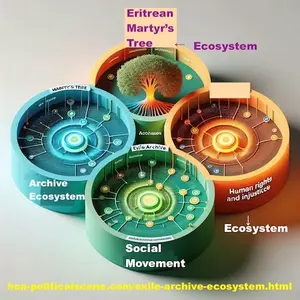
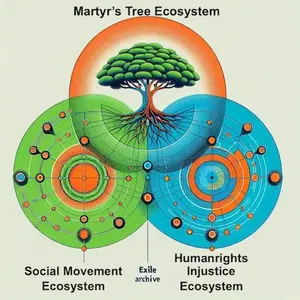
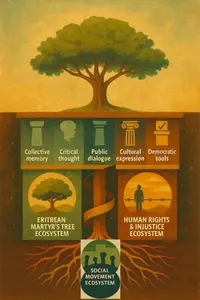
How War Narratives Form Before the First Shot?: U.S., Israel, and Iran - How a dynamic arc ecosystem 3 Shape Collective Social Movements?
Exile Archive Action Guide Builds the Grassroots of Social Movement!
Exile Archive Action Guide Builds the Grassroots of Social Movement! It's the basics to solve crises, conflicts, economy, human rights violations & injustice.
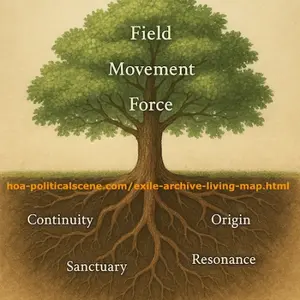
Exile Archive's Living Map - A Tree of Life! How It Changes Life?
Exile Archive's Living Map - A Tree of Life! It changes lives. A rooted journey from witness & creation to insight, guiding your path through life.
Exile Archive's Living Map - Tree of Creation for Meaning Changes Life
Exile Archive's Living Map - Tree of Creation for Meaning Changes Life: Reflect, inspire new work & deepen your journey through exile & witness.
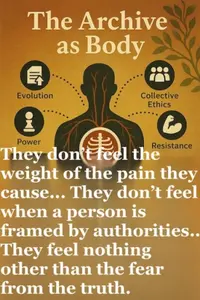
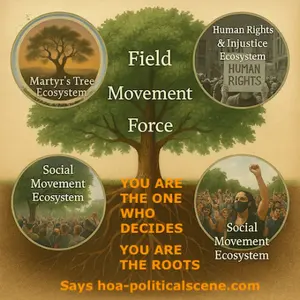
How War Narratives Form Before the First Shot?: U.S., Israel, and Iran - Wars Are Not Ethical... They Are Dirty! This One Freezes the Strong Iranian Protests! Societies Should Resist Destructions...
Exile Archive Emotional, Ethical and Symbolic Beginning! Origin Story!
Exile Archive Emotional, Ethical and Symbolic Beginning: Origin story with inspiration you need to know why social resistance is necessary & when & how to fuel it.
Exile Archive Power Denial and the Moral Architecture You Must Build!
Exile Archive Power Denial and the Moral Architecture You Must Build: A testimony on failing systems and how you reclaim agency to build moral architecture of life.
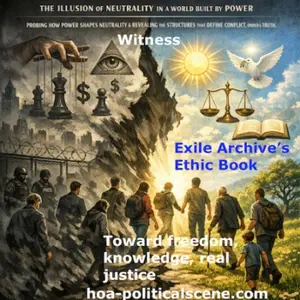
Exile Archive on the Illusion of Neutrality in a World Built by Power!
Exile Archive on the Illusion of Neutrality in a World Built by Power, probes how power shapes neutrality & reveals the structures that define conflict, order & truth.
Seeing Through the Noise: Four Ways to Read the World Without Falling!
Seeing Through the Noise: Four Ways to Read the World Without Falling Into the Trap! 4 how-to methods to understand power, uncertainty & chaos.
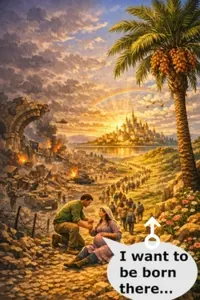

How War Narratives Form Before the First Shot?: U.S., Israel, and Iran - Where the Dynamic Poetic Arc Converges with the Force of Resistance...
Exile Archive Imagery Poetry Hub! How Social Resistance Becomes Poetic
Exile Archive Imagery Poetry Hub explores emotional and political poetry revealing exile's origins and early instincts that sharpen your political vision.
Exile Archive Voices Become Frontlines: Art & Literature for Justice!
Exile Archive Voices Become Frontlines: Art & Literature for Justice! The basics of the social movements voices are simple & the archive empowers the vulnerable.
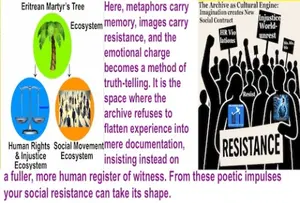
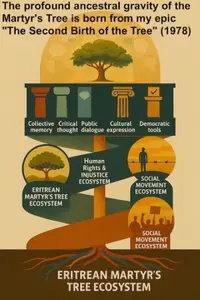
How War Narratives Form Before the First Shot?: U.S., Israel, and Iran - The Dynamic Archive Ecosystem that Weaves Together Three Social Systems...
War Economy Dynamics Structures Before, During and After Conflict!
War Economy Dynamics Structures Before, During and After Conflict - an analytical examination of war‑economy mechanisms - U.S., Israel & Iran as a case study.
Architecture of War News Headlines: Media, Power, Emotional Narratives
Architecture of War News Headlines: How Media, Power & Emotion Shape War Narrative? Explore, Understand & Respond positively to emergencies within your society.
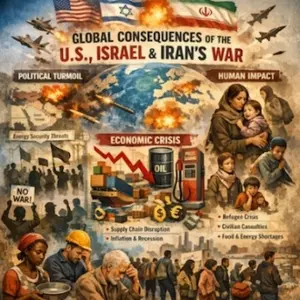
Global Consequences of the United States, Israel and Iran War!
Global Consequences of the United States, Israel and Iran War: Its political, economic & human impacts reveal how ordinary people worldwide are affected.
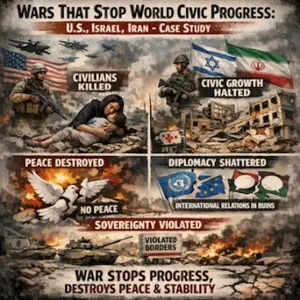
Wars that Stop World Civic Progress: U.S., Israel, Iran - Case Study!
Wars that Stop World Civic Progress: U.S., Israel, Iran - Case Study: Wars kill civilians, halt civic growth, destroy peace, int. relations, violate sovereignty.
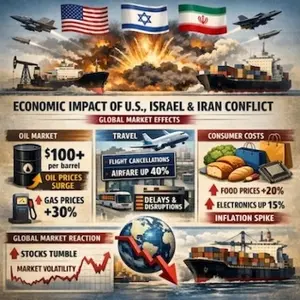
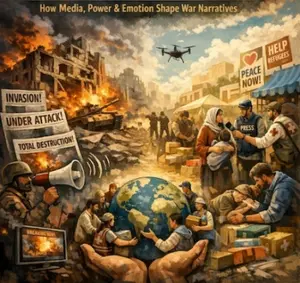
How War Narratives Form Before the First Shot?: U.S., Israel, and Iran - A Tree-born Archive of Truth in Exile. This is the First Archive I Built after 1990s - Remember the World Shifting-wars that Began From that Era?
Archive of Truth in Exile: A Living Record of Power and Witness!
The Archive of Truth in Exile: Mapping silence, power, and survival. Testimony against erasure. Making an archive a living witness for you to claim justice.
Archive of Truth in Exile - Testimony Matters!
Archive of Truth in Exile - Testimony Matters: A foundational document on witness, erasure, and the moral architecture guiding the entire archive & raising societies.

How War Narratives Form Before the First Shot?: U.S., Israel, and Iran - My Substack Serious Journalism Social Highlights Human Rights Violations and Injustice in Many Places in Europe...
Substack Exile Archive Presents Fragments of Resistance!
Substack Exile Archive Presents Fragments of Resistance... poetic testimony, legal critique, and public witness from the margins of exile and defiance.
Substack Exile Archive - Ethics of Proximity - Shadow Beneath State!
Substack Exile Archive - Ethics of Proximity - Shadow Beneath State explores how some authorities manipulate and break the system of fairness and justice.
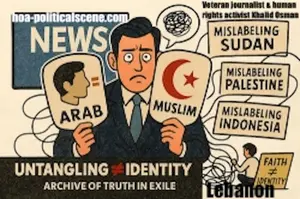
Arab - Muslim: Untangling Faith Identity!
Arab - Muslim: Untangling Faith Identity!


How War Narratives Form Before the First Shot?: U.S., Israel, and Iran - When Dynamics Become Concepts of Inevitable Wars...
Learn Dynamics Through Dynamic Perspectives to Solve Global Problems!
The learning curve of Dynamic Perspectives provides you with a rare opportunity to better understand today's global problems and share the solution with others.
HOA's Dynamic Concept for You to Think Well of Your World!
I reached HOA's Dynamic Concept through close observation to two serious changes that affect our world badly. It is for you, to make the world better.
Dynamic Critique to Global Political History Being Forged, or Plotted!
Dynamic Critique gets in the heart of global political history to criticize it as being forged and even plotted, which has resulted in massive human disasters!
Dynamic Remarks Indicate that Classic Systems are Over Practically!
Dynamic Remarks about why classic systems are over and what is the alternatives to classic political parties. That also means what are the new systems we need.
Dynamic Statement Reveals Serious Global Matters to Deal With!
Dynamic Statement reveals serious matters that affect our lives daily & suggests the solution of complicated matters through basic process to shift all systems.
The Intertwined Narratives That Steered History Off Course!
How War Narratives Form Before the First Shot - U.S., Israel, and Iran: Analyzing Narratives Across History Within the Dynamics Hub!
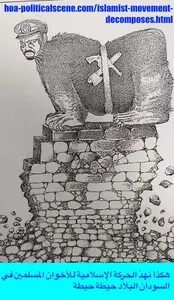
Islamist Movement Decomposes. Factual Facts of the Islamist Movement!
Islamist Movement Decomposes. This is clear to every modern and civilized mind. However, one question remains. Why this so called Islamic Movement is still controlling in some areas?
Conventional Narratives Hub Coverage From History to the Present!
Conventional Narratives Hub covers all narratives historically from the past to the present, whether they are economical, environmental, political, or social.
The Revolution I Would Not Sell!
The Revolution I Would Not Sell is a continuation to the unwritten system I have that proved to be working right! This system achieved planting 5 million trees to spark development.
Ink Between Borders - Exile by Principles: Peace Unheard!
Ink Between Borders - Exile by Principles: Peace Unheard! An urgent reflection on exile, unrecognized peace & moral resistance in post-conflict narratives.
Has International Terrorism Disappeared?
Has International Terrorism Disappeared? A political project like this has many phases. It is likely when the first phase has been done, we see the 2nd, the 3rd, etc...

How War Narratives Form Before the First Shot - U.S., Israel, and Iran - High Voltage - Dynamic Ideas Integrate You Psychologically!
Dynamic Ideas to You as Important Asset in Global Development!
The important asset of dynamic ideas is you. You are asset in global development, even when you feel weak as individual. The dynamical ideas get you strength.
HOA's Dynamic Thoughts on Biggest World Problems & How to Solve Them!
HOA's Dynamic Thoughts are about the world biggest problems, their origin and causes and how to solve them. Be part of the solutions. Subscribe to newsletter.
Dynamic Commentaries to Work the Masses' Dynamics In and Out!
Dynamic Commentaries include dynamic ideas to work the theory of the masses in and out and build the masses era.
Dynamic Comments to Put the Theory into Practice!
Dynamic Comments about the dynamics of the masses, the masses systems and the masses era to help you put the theory into practice.
Dynamic Views to Explore the World's Problems and Solve Crises!
Dynamic Views to explore the global problems, discover their origins and provide solutions to the crises the human and planet face.
How War Narratives Form Before the First Shot - U.S., Israel, and Iran - How Today's Global Dynamics Generate Illusion?
Superstitions Rule Sudan and Other States in the Horn of Africa!
Do you believe in superstitions? The Horn of Africa is superstitious. They spread from Nigeria across Sudan to India! They even nest in the political systems.
The World Superficiality on How People Comply with Dangerous Policies!
The World Superficiality is clear on how people comply with irrational policies that create economical downturn, global warming with pandemics & international terrorism.
How Does Political Illusion of Mass Media Deteriorate our World?
The Political Illusion of Mass Media is a political game played by the power of the capital in regimes that deteriorate the world. Do you know how to manage it?
INTELLECTUAL SHALLOWNESS is Subjective and Objective. How to Avoid it?
Intellectual SHALLOWNESS is mainly political shallowness. It's subjective & objective habit that indicates a superficiality. Here is how not to be superficial.
SUPERFICIALITY DEFINTION & Subjectivity & Objectivity on World Crises!
Intellectual Superficiality expresses a lack of depth when looking into news events, or facts about something. It becomes dangers when misunderstanding involves crises that threaten your life.
How War Narratives Form Before the First Shot?: U.S., Israel, and Iran - How Does Expressive Writing Relieve Stress? #WellnessTravels_3080
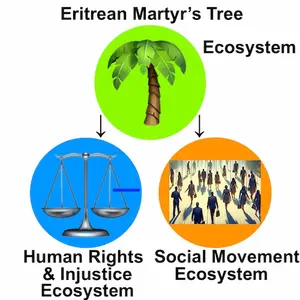
How War Narratives Form Before the First Shot - U.S., Israel, and Iran - The Eritrean Martyr's Tree Was the Root of All Dynamics & Alone It Holds Three Dynamic Ecosystems, a Triad & Five Pillars...
Sudanese Martyr's Day to Make Your Revolutionary Day!
The Sudanese Martyr's Day is a day created by journalist Khalid Mohammed Osman every month, every year to celebrate a Sudanese martyr.
Sudanese Martyr's Actions to Celebrate Martyr's Anniversaries & Revolt
The Sudanese Martyr’s Actions are planned to set you free by participating in martyrs’ anniversaries, and becoming organizer to defeat the totalitarian regime.
5,000,000 Martyr’s Trees Enhance Global Environment!
Khalid Osman's Eritrean Martyr’s Tree invention accomplished planting of 5,000.000 Eritrean martyrs trees & cleaned environment from chemical weapons & mines.
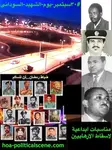

Sudanese Martyr’s Feast to Celebrate Sudanese Martyr's Feats & Revolt!
The Sudanese Martyr’s Feast is a day created by journalist Khalid Mohammed Osman every month, every year to celebrate Sudanese martyrs by planting Martyr’s Tree
Sudanese Martyr’s Tree Posters to Decorate Your Public Place!
The Sudanese Martyr’s Tree Posters for martyrs families & Sudanese opposition campaigners and rallies to use in their camp to conquer the tyrants of Sudan.
Sudanese Martyrs’ Plans to Plant Martyrs’ Trees and Setup Revolution!
The Sudanese Martyrs’ Plans are prepared by activist Khalid Mohammed Osman to carry on social activities to plant martyrs trees everywhere to setup revolution.

Sudanese Martyr's Tree to Plant & Motivate People to Revolt!
The Sudanese Martyr’s Tree, as the Eritrean Martyr's Tree is created by veteran activist and journalist Khalid Mohammed Osman to set the fire of the revolution.
Sudanese Martyr’s Tree Project to Make the Revolution Right!
Sudanese Martyr’s Tree Project planned by activist & journalist Khalid Mohammed Osman to know in details how to carry this project and make revolution right.

How War Narratives Form Before the First Shot - U.S., Israel, and Iran - Where Destructive Dynamics Call for Your Attention, Mind You?
HOA's Global Alerts Get You Setup to Build a System to Prevent Dangers
HOA's Global Alerts aren't intended to sit you in state of being watchful for possible dangers, but they set you up to prevent such dangers by building a system.
I am Asking You to Be Clever & Think How to Save Yourself & the World!
I am Asking You to be clever & think of conflicts, ecological, economical, health & social crises created by bad planning. Then decide to change that by the LPE.
Doctor Feeling Good Will Put Your Healthy Body in Your Healthy Mind!
Doctor Feeling Good will put your healthy body in your mind by the LPE theory of the people to save you and the world from disasters created by mess in planning
HOA's Mastermind Says International Terrorism is a Capitalist Industry
HOA's Mastermind Says International Terrorism is a Capitalist Industry! He founded the network of solutions that resolve global terrorism, manage crises & foster world peace.
How to Be the Memory and Consciousness of All Generations?
How to Be the Memory and Consciousness of All Generations is not a personal matter, but rather a public matter that makes everyone just become that person and live in the future.

How War Narratives Form Before the First Shot - U.S., Israel, and Iran: The Conventional Narratives That Led History Astray!
The Cold War Era: A Battle of Ideologies and Influence!
The Cold War Era: A Battle of Ideologies and Influence! In my opinion, the world was better and more stable than today's world. What do you think?
The Eastern Europe Socialist Bloc Fragmentation!
The Eastern Europe Socialist Bloc Fragmentation costs effectively until today. Are there any real causes of the deterioration of great counties in the world?
Conventional Narratives Are Always Wrong!
Why Am I Saying Conventional Narratives Are Always Wrong? Explore the connection of these narratives from colonial era until this era and know what to do!
Established Frameworks Invisible Forces Shaping Perception!
Established Frameworks Invisible Forces Shape Perception! The insights help you escape narratives that control your life & help others build a better world.
How Dominant Perspectives Shape Our World?
How Dominant Perspectives Shape Our World? Explore to know what to accept and what to refuse.
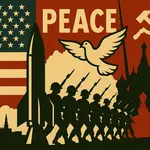
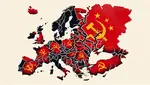
How War Narratives Form Before the First Shot - U.S., Israel, and Iran - The Editorial Pulse of Dynamics: Press Media 1: Editions of Intelligentsia You Simply Cannot Resist!
Intelligentsia 56 Makes You More Brilliant to Make Your World Better!
Intelligentsia 56 is brilliant. So, you are. It develops the way you are thinking to be brilliant more and make your world better.
Intelligentsia 57 Captures Your Mind to Make You Intuitional!
Intelligentsia 57 captures your mind to develop your thinking capacities, so you can see what's wrong in the world and make it right.
Intelligentsia 58 Opens Your Mind into the Late Eighties Up to Now!
Intelligentsia 58 opens your mind into the period from the late eighties until now and rebuilds the capabilities of your mind, so you can see what's gone wrong with the world.
Intelligentsia 59 Shows You How to Ally Yourself with Socialism & Why?
Intelligentsia 59 Shows You How to Ally Yourself with Socialism. Is it because it's Humane & we're all humans, or what? A process to rebuild your mind capability to save yourself & the world & rebuild it.
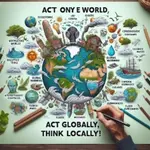
Intelligentsia 60 Actions to Do When World Crises Knock on Your Door!
Intelligentsia 60 Actions to Do When World Crises Knock on Your Door! World crises reflect at home, unfolding how to act globally, think locally.
How War Narratives Form Before the First Shot - U.S., Israel, and Iran - Inside Media Dynamics: Press Media 2 - Why You Must Always Rely on Ethical Media, But, Is There Any?
How Does Political Illusion of Mass Media Deteriorate our World?
The Political Illusion of Mass Media is a political game played by the power of the capital in regimes that deteriorate the world. Do you know how to manage it?
Intelligentsia Multimedia Newspaper Revolutionizes Knowledge!
Intelligentsia Multimedia Newspaper revolutionizes knowledge. It develops your mind prudently to know the real reasons of world disasters & teaches you how to tackle them.
Principles of Press Media that Make You a Professional Journalist!
What are the Principles of Press Media that Make You a Professional Journalist? They are ethical and professional. You should know them, before even thinking of doing journalism.
Citizen Journalism Can Save the World From Political Catastrophes!
Citizen Journalism Can Save the World From Political Catastrophes! How can CJ save the world from political catastrophes?
Ethical Journalism Combats Dominant Narratives! Your Pen is Authority!
Ethical Journalism Combats Dominant Narratives! Press freedom is essential, as long as the press is the fourth power that focuses on the truth. You're powerful
How War Narratives Form Before the First Shot - U.S., Israel, and Iran - Human Rights Violations and Injustice are Somehow Similar in Many Places: How to Resist Injustice in Denmark?
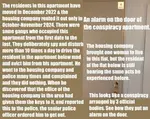
Are Odense Municipality, CIVICA Housing Company & the Police Corrupt?
Are Odense Municipality, CIVICA Housing Company & the Police Corrupt? More than seventy years of foreigners presence in Denmark has corrupted Denmark.
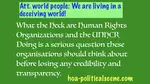
What the Heck are Human Rights Organizations and the UNHCR Doing?
What the Heck are Human Rights Organizations and the UNHCR Doing is a serious question these organisations should think about before losing any credibility and transparency.
In Denmark They Violate Human Rights for Money
In Denmark They Violate Human Rights for Money! This is a real time report you can call real life story that expose privacy and thus human rights violations in Denmark.
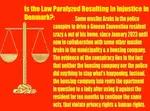
Is the Law Paralyzed Resulting in Injustice in Denmark?
Is the Law Paralyzed Resulting in Injustice in Denmark? This question exposes how some people from a specific culture can make things worse, when they are employed in the police forces.

Political News: No Political Borders Should Exist Between Humans!
Political News to dynamically minimize the political borders between humans. The mind is ours and you learn from a century of persistence.
Refugees in the Long Run to Survive!
Hot times refugees will emerge whenever there's crisis on Earth. What should we do for them? Best answer: Give them new homes & warm feelings. Unfortunately...
How War Narratives Form Before the First Shot - U.S., Israel, and Iran - Mapping the Horn of Africa & the World Political Landscape: a Dynamic Ecosystem!
The Horn Africas Network is for the Horn of Africa's Friends to Meet!
The Horn Africas Network aims to help friends who are burning from the political disasters to come together, share political ideas, read for knowledge & unite.
HOA Indexes Some Sacred Literary and Political Stories!
The HOA Index Network indexes literary & political stories that may change the way you look to politics in your area & develop your life from such new look and feel.
Horn Africas Political Tragedy As Seen On Apple iTunes To Fund Your...
Horn Africas Political Tragedy as seen on Apple iTunes to fund your tragedies! The book uncover the political tragedy in the Horn of Africa through decades of oppression. Every country is covered thoroughly, just to learn and know.


Share Your Reflections on "How War Narratives Form Before the First Shot - U.S., Israel, and Iran?"
Contribute your perspective to "How War Narratives Form Before the First Shot - U.S., Israel, and Iran".
Make it your home.
Share it with your social through one of the buttons below. Thanx:)
Have A Great Story About This Topic?
Do you have a great story about this? Share it!
Join the Dialogue Around "How War Narratives Form Before the First Shot - U.S., Israel, and Iran?"
This is where the comments on "How War Narratives Form Before the First Shot - U.S., Israel, and Iran" will appear. If you don't see any yet, feel free to be the first to begin the discussion. You are also welcome to ask me any question about anything you read through "How War Narratives Form Before the First Shot - U.S., Israel, and Iran".
How War Narratives Form Before the First Shot?: U.S., Israel, and Iran - How to resist human rights violations, and injustice? Video lessons: Episode 15Concerned about Conflicts Fact that Never Been Disclosed?
Get Horn Africa's Political Tragedy.
Recent Articles


-
HOA's Interval with Wisdom Nuggets of Inspiring Ethical Proverbs!
Sep 09, 26 04:59 AM
 HOA's Interval with Wisdom Nuggets of Inspiring Ethical Proverbs! You can see your ethics & the ethics of the surroundings clearly to develop & enhance your own.
 -
Intelligentsia 61 from Danish Injustice to American War Abortion of
Aug 29, 26 11:14 AM
 Intelligentsia 61 from Danish Injustice to American War Abortion of Iranian Revolution and Media Stupidity, world people fall into the trap of manipulation.
 -
When, Why and How the European Paradise Became Hell on Earth?
Aug 23, 26 10:20 AM
 When, Why and How the European Paradise Became Hell on Earth? This one in the dynamics will make your mind spin and reflect with clarity to address this matter.
Some Support is Appreciated so Much!
When I get a new information, or a good read, my conscience tells me to be obliged to whom has added a drop of knowledge with some values in my life by doing some good deeds to him. Some links here get me a little power to support some people in need, indeed, by paying my subscription to international human organizations I am part of their generous good deeds. Like this at Awassa.
A Friend in Need is A Friend Indeed!
How many times have you fallen like a mountain, because you were great with your inspirations, guidance and professional teaching and later on found some people you made professional drawn in luxuries and never cared about you?
A hand up is better than a hand down. Share a link of a page you liked in great sites, but please not FACEBOOK. I am a man of principles.
A Man is Known by the Company he Keeps!
True, don't you think so? I can tell you stories and stories about that. Can you tell me one in details with the original cultures of the world it refers to? Take the cultural section by a huge and write that in the comments form.
Healthy Citizens are the Greatest Asset any Country can have!
It's true. But, he didn't know what ill governance can do for healthy citizens, or how ill monarchies can bring healthy citizens into miseries, or why great powers play by the fates of so many healthy citizens in the world.
Know any similar situations where healthy citizens are broken by the ruling elites in any country? Bring that into readers' attention through the comments form at Are You Intellectual?
Global Dynamics to Make Everyone Intellectual
Look for the top 100 Google most searched terms globally in 2021. You will not find any single thing that any person looks for and wants to know about, or use in daily life, such as food, health, education, cinema, tv, news, developing qualities and qualifications, playing, traveling, and even what causes Coronavirus and other pandemics, which are real threats to all people lives etc... You will find only search terms used for top social media, Youtube, search engines and Amazon. Political illiteracy is what matters to me to educate. See Global Dynamics & signup for the newsletter.
Did you get any of my books from Apple Books?
Click here to tell me & get some free books. Fill the form.
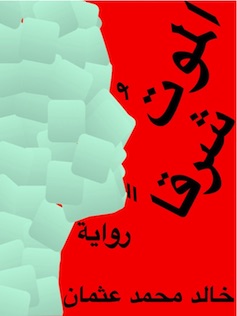
رواية "الموتُ شرقاً" تكشف لك سرّ الموت الشرقي التراجيدي المستمر للإنسان
احصل علي الرواية الآن واكتشف إنهيار القواسم المشتركة، واستلهم إبداعا يشبه الأسطورة في النص الروائي
"Follow", "like", "tweet", or "pin" the pictures to express your love! Thanks
TweetHorn Africa's Political Tragedy

Love in the Internet Time on Apple Books

Rising of the Phoenix Poetry on Apple Books

Free Poetry Picture Book
Free poetry picture book on Apple Books. You can use the images on public places for your customers to enjoy, while taking coffee.

The French & Spanish Versions
You can work the French versions and the Spanish versions of the two books above with me on, one on one bases. Contact Us.
HOAs Political Poetry Imaged
I'll be thankful, if you get one of my books.
My Books!