HOW MUCH does Facebook pay you when you spend a lot of time to make it a billionaire while you're poor? Do you want to conquer FaceBook, Google, or any social you are using and make them pay you hard currencies for using them? That has a DYNAMIC SYSTEM. Contact Me! GET INSIGHTS ON HOAS ABOUT FACEBOOK.
African Political Refugees!
Africa still produces millions of African political refugees. The civil wars and ethnical conflicts in Africa forced millions of Africans to be african refugees and African interiorly displaced people, IDPs.
African people began to flee their countries in Africa long time ago and thus the concept of regional political refugees in Africa becomes known.
The political deterioration causes by religious conflicts and the natural crises make the African people flee their resettlements searching for safe places to live.
After the 1950s, people started to hear the concept of Africa Political Refugees as defined by the first international refugees agency after its establishment at the eve of the Second World War.
However, the concept of African Political Refugees remained unrecognized by some African countries, seemingly because the leaders don't want to admit that they are responsible of the situations they created for the crises to rise.
Starting from that mentioned date, which marks the independence of some African countries, many African countries began to witness civil wars and ethnic conflicts that resulted in great numbers of refugees.
The European colonial powers implemented a kind of policy during the European colonization through 1885 and on and divided many tribes and clans between many countries while demarcating the borders between those African countries.
When they demarcated the borders to define their lands of interests, they paid attention only to their colonial properties not to the African people and that was obvious.
The colonial policy resulted in conflicts in the new independent nations after the demarcation of the borders in the 1950s and the 1960s.
Nevertheless, some problems have been raised by the fundamental religious groups whether they are in power, or waging wars to claim the political power.
The demarcation of the borders became the cause of the warfare. This has forced many people in turn to flee their countries in the following years as the numbers of refugees in Africa increased from 860,000 African political refugees in 1968 to 6,775,000 in 1992.
However, these numbers of refugees dropped at the end of 2004 to reach 2,748,000 refugees not including African Internally Displaced People (IDPs). Africa has 5,169,300 IDPs.
Then the numbers escalated again to reach more than 3,374,494 African refugees.
As the African people started to flee their countries to become African political refugees, the international organization of refugees started to take the mission of resettlement or repatriation of refugees.
Starting from 1975, about 200,000 refugees from the Western Sahara fled their land because of the liberation war with Morocco to live in camps in Tindouf in the Algerian part of the desert.
The northern Sudanese began to flee starting of 1978, during the second military dictatorship of Jafar al Numeri. (I was the first one to flee that time).
During the 1980s, the numbers of African political refugees from Sudan increased after the civil war in the South Sudan and even in south Kordofan in Sudan, as many refugees who fled to Ethiopia, Kenya and Uganda were Southern Sudanese people.
When the borders conflict between Eritrea and Ethiopia started in the late 1990s, Eritrean and Ethiopian political refugees started to flee their countries again. Read many stories told by African political refugees from Eritrea and Ethiopia at Eritrean Refugees and Ethiopian Refugees.
The numbers reached high percentage compared with the refugees that fled during the liberation war of Eritrea. See the Numbers of Eritrean - Ethiopian Refugees in Sudan for more details.
However, out of those Eri-ethio refugees, 2,000 people from Eritrea and Ethiopia fled to Israel after the border conflict to acquire residence state, but not refuge status.
In 2003, after the conflict in Darfur, 2.5 million people fled their homes. Out of this number, hundred of thousands Fur fled to Chad, because they have inter-marriage relations in the bordering areas.
Other 600 refugees from Darfur have gained temporary resident state after Darfur crisis, but not refuge status in Israel. In general, the number of African political refugees who fled to Israel reached 10,000 African political refugees.
In 2004, the number of the Africa political refugees who fled from the Democratic Republic of Congo (DRC) reached 462,203 refugees, while the country received 199,323 asylum seekers from other countries.
I don't think of anything that could shape the African tragedy than this fact.
Starting of December 2005, Sudan became one of the largest countries of refugees because of the Sudanese regime's political crimes.
It has now the largest number of IDPs that estimated to jump over 5 million. This happens not only because of the policies of the military religious regime, but because even Darfur rebels play in the political scene for their personal political interests.
In 2007, Israel deported 48 African political refugees to Egypt after they have crossed the borders between the two countries and Egypt deported 20 of them back to Sudan.
Millions of African political refugees came from many countries in the African continent.
Those countries of origin include, Sudan with the largest number of 930,612 refugees, Burundi with 485,764 refugees, Eritrea with 462,203 Eritrean refugees, Somalia with 389,272 refugees, Liberia with 335,467 refugees, Angola with 228,838 refugees and Kenya with 203,000 refugees.
Hundred of thousands of African political refugees are from the following countries accompanied by numbers for each country. However, the numbers are not static:
Cameroon - 7,629 refugees,
Central Africa Republic - 31,069 refugees,
Chad - 52,663 refugees,
Congo - 28,152 refugees,
Cote d'Ivoire - 23,655 refugees,
Ethiopia - 63,105 refugees,
Ghana - 14,767 refugees,
Nigeria - 23,888 refugees,
Rwanda - 63,808 refugees,
Senegal - 8,332 refugees,
Sierra Leone - 41,801,
Togo - 10,819 refugees,
Uganda - 31,963 refugees,
Zimbabwe - 9,568 refugees.
What about Djibouti?
What about Eritrea?
It is for the reason to help African political refugees from the Horn of Africa, whether they are in their homelands, as IDP or in any place in the world, I started the HOA's Refugees and the HOA's Refugees Project.
Take it seriously and get into it to observe it and to be active member, so you could make a difference, either for yourself, or for other African people. When you get into it and invite your friends to get in with you, you will be a leader in this humanitarian network. Yes, with us.
However, these projects extend from the Humanitarian Network to enable refugees from the Horn of Africa take actions to improve the political situations in their homelands by either contributing to this network without obligations or joining the USHA Framework.
How could they support their causes by contribution to the network?
They will will bring their causes to the light. This is the first step. Then we'll get in touch to discuss the best ways to support the causes of the African political refugees.
The efforts would get further to many social media and other platforms we contribute to them. So, we could establish the humanitarian framework to drive the active members to do more and fundraise the causes by the the method we use on this network and other methods.
The very important fact here is that, it is only by the efforts you make you support your cause.
Regarding this point, consider any of the following actions:
- Join the network and contribute without any obligation.
- Join the framework and be obliged to work in a community to improve the political situations in the Horn of Africa.
- If you were in good position in your residence, support the African political refugees by visiting the store or by donating.
- Get one of my books and let us donate to the project.
- Share the Africa political refugees page with your social media and other platforms by using one or more of the small buttons on this page.
- Forward the African Political Refugees to your friends and encourage them to subscribe to the HOA Political Scene Newsletter, and join this network. Use the form at Forward HOA's Political Scene.
- Share the African political refugees page with your social media services. Use the small buttons you see on this page.
- Fill the form on this page to write about the African political refugees.
The best thing is to be active and enjoy all of the actions here. Moreover, the mentioned humanitarian efforts are well supported by cultural projects on the Horn of Africa's Network.
The HOAs Comprehensive Projects include the HOAs Cultural Project, the HOAs Journalists Project and the HOAs Poets Project.
In addition to the African Political Refugees, you may also be interested in the following pages to read more about the African Political Refugees:
African Refugees' Influx to Europe| African Refugees' Influx to Europe - Comments| Awassa| Awassa Children's Village| DAFI| Eastern Sudan Feeds Israel by Human Power| Humanitarian Network| Numbers of Eritrean Ethiopian Refugees in Sudan| Numbers of Eritrean Ethiopian Refugees in Sudan - Comments| Refugees without Borders in the Horn of Africa| Somali Displaced People| Somali Refugees| SOS Children's Village| UN Eritrean Political Refugees| What to Educate Somali Refugees| What to Educate Somali Refugees - Comments| Why Somaliland Denies Refugees Rights| Why Somaliland Denies Refugees Rights - Comments| WFP Warns of Massive Food Deficit in Southern Sudan| WFP Warns of Massive Food Deficit in Southern Sudan - Comments| World Refugee Day, June 20|
Use the following form to comment, or to write about the African Political Refugees.
Are You Intellectual, Journalist, Poet, Artists or Writer?
Tell us about yourself as intellectual! This works as a CV too. Add your CV to it at the bottom of the big box.
Use this form whether you are intellectual, writer, essayist, playwright, researcher, poet, novelist, screenwriter, songwriter, journalist, freelancer, sculptor, painter, caricaturist, decorator, musician, dancer, caricaturist, acrobat's player, scenarist, actor, performer or critic.
Please click on the question marks to read more instructions. This will help you fill the form properly.
Comments on the AFRICAN POLITICAL REFUGEES and any contribution in this regard appear at the second section of the page, just above this paragraph and below the comments form.
Whenever you saw new comments here below on the African political refugees, please read it and use the link below it to comment. You can also forward it to your friends, if you were a political refugee from Africa and encourage them to comment, share the page with their social media and get some gifts.
HOA Political Scene| HOA Political Scene Blog| Arabic HOA Political Scene| Contact Us| Political Inspiration| Political Magic| Political News| Political Scene| Political Section| Political Site Map| Political Stories| Political Views| Politics of Myth| Political Sense Journal| Horn of Africa's Journal| Horn of Africa's Newsletters| Horn of Africa's Bulletins| Horn of Africa's Ezines| Horn of Africa's Political Newsletters| United States of the Horn of Africa| USHA| Horn of Africa's Journalists| HOAs Journalists| HOAs Self-Publishing| HOAs Poets| HOAs Poets Bookshop| Squadron of Poets| Horn of Africa's Bookshop| HOA Calls| HOAs Data Analyzing| HOAs Videos| HOAs Political Business| HOA| IGAD| The Intergovernmental Authority on Development| Environment| Environment Protection| Djibouti's Political Scene| Djibouti's Political Problems| Eritrean Political Scene| Eritrea's Political Problems| Kenya's Political Scene| Kenya's Political Problems| Somali Political Scene| Somalia's Political Problems| Somali Political Forums| Somali Political Situation| Sudan's Political Scene| Political Problems in Sudan| Human Rights in Sudan| Save Darfur Coalition| NIF| ICC| Indictment| Luis Moreno Ocampo| Crisis Group| Uganda's Political Scene| Uganda's Political Problems| Lord's Resistance Army| LRA| Chadian Political Scene| Chadian Political Problems| Forward HOA's Political Scene| The Need to Lead| Readers Write Good| Readers Read Good| Readers Comment| Readers Write Comments| Superstitions| International Political Media| Political Articles Tips| Political Link Exchange|
Concerned about Conflicts Fact that Never Been Disclosed?
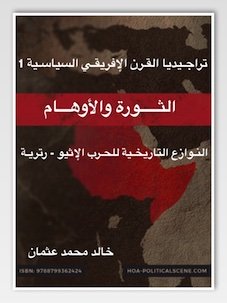
Get Horn Africa's Political Tragedy.


Recent Articles

-
Train Ride from Hamburg to Hannover, on Tuesday, February 20, 2024
Mar 02, 24 01:05 PM
Hey Khalid, Was a nice Hour Train Ride with u. I‘m trying to find my Passion in this moment and i‘m very thankful for your advices! I let u know, if -
Intelligentsia 58 Opens Your Mind into the Late Eighties Up to Now!
Feb 17, 24 06:01 AM
 Intelligentsia 58 opens your mind into the period from the late eighties until now and rebuilds the capabilities of your mind, so you can see what's gone wrong with the world.
 -
Bats of Darkness in Denmark
Apr 18, 23 08:26 AM
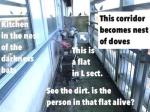 I have never in my life imagined this could happen in Denmark. A mafia of residents in one of CIVICA apartments use the housing company to occupy an empty
Some Support is Appreciated so Much!
When I get a new information, or a good read, my conscience tells me to be obliged to whom has added a drop of knowledge with some values in my life by doing some good deeds to him. Some links here get me a little power to support some people in need, indeed, by paying my subscription to international human organizations I am part of their generous good deeds. Like this at Awassa.
A Friend in Need is A Friend Indeed!
How many times have you fallen like a mountain, because you were great with your inspirations, guidance and professional teaching and later on found some people you made professional drawn in luxuries and never cared about you?
A hand up is better than a hand down. Share a link of a page you liked in great sites, but please not FACEBOOK. I am a man of principles.
A Man is Known by the Company he Keeps!
True, don't you think so? I can tell you stories and stories about that. Can you tell me one in details with the original cultures of the world it refers to? Take the cultural section by a huge and write that in the comments form.
Healthy Citizens are the Greatest Asset any Country can have!
It's true. But, he didn't know what ill governance can do for healthy citizens, or how ill monarchies can bring healthy citizens into miseries, or why great powers play by the fates of so many healthy citizens in the world.
Know any similar situations where healthy citizens are broken by the ruling elites in any country? Bring that into readers' attention through the comments form at Are You Intellectual?
Global Dynamics to Make Everyone Intellectual
Look for the top 100 Google most searched terms globally in 2021. You will not find any single thing that any person looks for and wants to know about, or use in daily life, such as food, health, education, cinema, tv, news, developing qualities and qualifications, playing, traveling, and even what causes Coronavirus and other pandemics, which are real threats to all people lives etc... You will find only search terms used for top social media, Youtube, search engines and Amazon. Political illiteracy is what matters to me to educate. See Global Dynamics & signup for the newsletter.
"Like" above, pin the pictures & "tweet" below to express your love!
TweetHorn Africa's Political Tragedy on iTunes
 hoa-politicalscene.com/horn-africas-political-tragedy.html - Horn Africas Political Tragedy In An iBook by journalist & poet Khalid Mohammed Osman on iTunes.حملة ١٠٠٠ كتاب لدعم مشروعات سودانية وطنية
Love in the Internet Time on iTunes

Rising of the Phoenix on iTunes

Free Political Newsletter with some Good Freebies for You!
Use the newsletter's form at the top left column to subscribe to the HOA PoliticalScene Newsletter. You will then receive your freebies when you confirm your subscription. See example pictures of our free stuff below.
 |
 |


The power of political thinking is essential for people to achieve democracy, justice and real socialist system! Explore, Freelancing Jobs, Political books, Horn of Africa! Politics Economy Uganda, political studies, bachelor political science, etc...