HOW MUCH does Facebook pay you when you spend a lot of time to make it a billionaire while you're poor? Do you want to conquer FaceBook, Google, or any social you are using and make them pay you hard currencies for using them? That has a DYNAMIC SYSTEM. Contact Me! GET INSIGHTS ON HOAS ABOUT FACEBOOK.
The Eritrean Refugees are Exposed to Trafficking and Torture!
Innocent Eritrean refugees still suffer from many kinds of dangers. Imprisonment and forced deportation are not the only dangers the refugees from Eritrea have exposed to, these days.
Those refugees are still exposed to extensive detention, forced repatriation, rape and torture. Prolonged military conscription prompted many Eritrean to flee home to face these mentioned dangers.
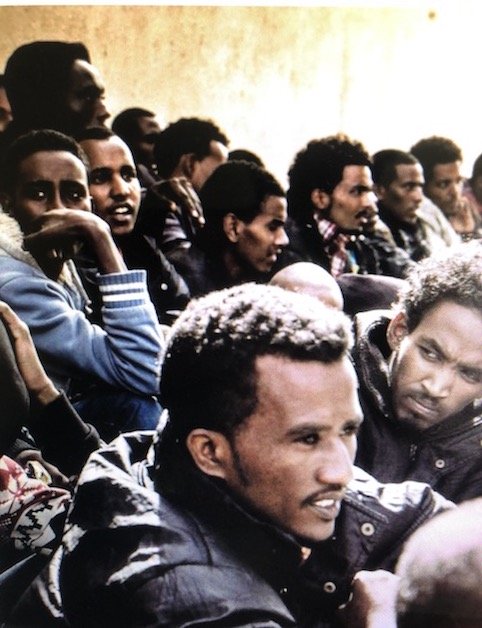
Human trafficking has also been developed by some new investors in slavery to expose refugees from many countries to dangers.
Trading in human beings becomes a trend these days, especially when some people are forced to flee their lands to seek refuge in other places. The stories of refugees from Eritrea, Ethiopia, Somalia and Sudan are numerous.
Recently, hundreds of refugees, most of them Eritrean and Sudanese were taken into hostage in Sinai Desert in Egypt while they tried to get out of Egypt to Israel and maybe get from it to Europe.
Those refugees have paid smugglers to get them out because the smugglers know the area well and know how to escape the guards on the borders. Some of them paid 3,000 dollars to get to Israel.
Some refugees remains hostages until the rest of the money paid. The smuggler told them to pay 11,000 dollars to take them to Israel and they didn't have the money. They already have paid with those who paid the 3,000 dollars. News says they demand now 40,000 dollars to complete trafficking in human beings.
They tied them by electric wires and chains, hunted those who tried to escape and tortured them by electric wires, flames of their cigarettes and flamed irons. The torture remains in signs on their bodies.
Eritrean Refugees Stories from the Past!
The new Eritrean Refugees are those people who faced extensive detention, torture of citizens and prolonged military conscription after the independence of the country.
All of these behaviours had prompted increasing numbers of Eritrean to flee the country and become refugees. However, they face rape, imprisonment and forced repatriation in the destination countries they fled to them.
"Eritrea's government is turning the country into a giant prison," said Georgette Gagnon, Africa director in Human Right Watch. "Eritrea should immediately account for hundreds of (disappeared prisoners) and open its jails to independent scrutiny."
Human Right Watch called the United States and European Union to coordinate with the UN and the African Union to resolve regional tensions and ensure that development aid to Eritrea is linked to the progress on human rights.
The EU recently approved a €122 million assistance package to Eritrea despite concerns that development projects in Eritrea are carried out by conscript or prison labor in violation of international law, the human rights organization noted.
Human Right Watch says repression in Eritrea creates human right crisis and called some countries to cease forced returns of Eritrean refugees, asylum seekers to their homeland, given the risk of torture.
Because of the risk of mistreatment faced by those who are returned, the United Nations High Commissioner for Refugees has advised against deporting anyone of the Eritrean refugees to Eritrea, including rejected asylum seekers.
The UNHCR and the government of Sudan launched a joint registration operation for ten of thousands Ethiopian refugees and Eritrean refugees living in eastern Sudan. The registration official started on March 2008 estimated more than 133,000 refugees will benefit from the exercise.
Out of the 133,000 Ethiopian and Eritrean refugees, 95,000 live in open camps in Kassala, Gadaref, Jezzira, Sinar and the Red Sea States of Eastern and Central Sudan, while about 38,000 live in urban and rural areas of these states. The capital city of Sudan, Khartoum is said to be hosting close to 30,000 Ethiopian and Eritrean refugees.
By registering these populations, both the government of Sudan and the UNHCR hope to update the refugee statistics and to determine the best solution based on the refugees' profile. Some will require continued humanitarian support because of their vulnerability.
Others may require self-reliance support while a number may be in need of resettlement in a third country because they can neither remain in Sudan nor repatriate. Most importantly, it will translate into reconfirmed refugee status for nearly 70,000 Eritrean who lost it following the application of the 2002-2004 Cessation Clause.
The registration will also take into account the arrival of asylum seekers who totaled up 10,000 since the beginning of last year. Nearly 90 percent of them originating from Eritrea cited forced army enrollment as their main reason for flight. Others are from Ethiopia and Somalia. The last general registration took place in 2001.
After being in exile for four decades, Ethiopian and Eritrean refugees are among the most protracted refugee populations in the world.
The UNHCR has recently signed an agreement with three organizations aimed at ensuring the protection needs of refugees and asylum seekers in Libya. This is in line with the UNHCR's responsibility to advocate for better protection of refugees in the context of mixed asylum and migration flows.
The agreement is part of UNHCR's work under its Ten-Point Plan of Action on Refugee Protection and Mixed Migration, which sets out a number of areas where the agency believes initiatives are called for and where it can contribute some expertise in this challenging area.
There are currently some 9,000 refugees and asylum seekers in Libya – mainly Iraqis and Palestinians, and also Eritrean, Sudanese, Somalis, Liberians, Sierra Leonean and Congolese from the Democratic Republic of the Congo.
"We welcome the decision of the Libyan authorities not to deport Eritrean asylum seekers," said Radhouane Nouicer, chief of the UNHCR's Middle East and North Africa bureau. "We are aware of the challenges in dealing with mixed flows of irregular immigrants and asylum seekers, and are appreciative of the Libyan government's efforts to address some of these issues in consultation with our office in Tripoli," he added.
Egypt has seen a surge of Eritrean refugees entering the country illegally in recent months by land from Sudan or directly from Eritrea via the Red Sea Paradise. The Egyptian authorities on 27 February 2008 had suspended access of the UNHCR protection staff to asylum seekers in detention.
Since then, the UNHCR has been in continuous contact with relevant authorities through official communications and meetings with the Ministry of Foreign Affairs, requesting access to asylum seekers in detention to evaluate their need for international protection as well as to identify humanitarian solutions to their plight.
The UNHCR welcomes the decision of the Egyptian authorities for UNHCR to have unhindered access to asylum seekers in detention centres in Egypt and to resume refugee status determination interviews.
Read more stories about the Eritrean refugees in the following site maps:
✌ Eritrean Primary Site Map 3 - Eritrea.
✌ Eritrean Primary Site Map 3 B - Eritrean Political Articles.
✌ Eritrean Primary Site Map 3 C - Eritrean Forums Online.
✌ Eritrean Primary Site Map 3 D - Eritreans Write Online.
✌ Eritrean Primary Site Map 3 E - Eritreans Love Commentaries.
✌ Eritrean Primary Site Map 3 F - Eritrean Political Comments.
✌ Eritrean Secondary Site Map 13 B - Eritrean Refugees.
✌ Eritrean Secondary Site Map 17 - Write about Eritrea
More stories about Eritrean and Ethiopian refugees are here. Other stories of refugees are at African Political Refugees, Somali Displaced People and DAFI. Check the sources and comment or submit your story.
You can look for more pages about the Eritrean refugees or African political refugees through the search tool at the top of the right column.
Are you Eritrean refugee or are you seeking asylum?
Fill the form below. Tell us your story and let us bring it to the lights. You should indicate that your name stay anonymous if you are afraid.
* You can watch Eritrean refugees on documentary film at TVCinemaApp.com.
Have a Great Story about or from the Horn of Africa?
Do you have a great story about or from the Horn of Africa? Share it! Note that you can use the forms in this platform to comment and write about political topics in the Horn of Africa. Some pages about other countries may fall out of this map. However, they may have some impacts on some countries in this map. You can use the same forms anyway to comment or write about them too.
What Other Visitors Have Said
Click below to see contributions from other visitors to this page...
EU Plays Hide and Seek Politics with Refugees in Libya! 
The dignity of human being has clearly breached by the EU member states since long time. The hide and seek game Italy plays on the issue of immigration …

UNHCR Resumes Operations in Libya!
The closure of the UNHCR bureau and the order of expulsion by the Libyan government was good reason for all the desperate asylum seekers and refugees to …
African Refugees' Influx to Europe!
How Much the Influx of African Immigrants from Libya Costs the European Business?
The issue of immigration and influx of immigrants from Africa have …
Eritrean Refugees in Ethiopia!
I recently returned from two months as a volunteer English teacher in Addis Ababa, Ethiopia. One of my students was an Eritrean who fled his country on …
Alarming Secret Deportation of 12 Eritreans!
In mid January 2010, there was a well organized plan of deporting Eritreans from Libyan detention centers back to Eritrea, where there was Eritrean Embassy …
Petition Letter to Stop Eritrean Deportation from Libya
Petition Letter to stop Eritrean deportation from Libya
Attention: Amnesty International, Human Rights Watch, UNHCR and other human right organizations. …
Eritrean Refugees Situation is Late to Attract Attention!
Nowadays the issue of asylum seekers and refugees in relation to the new push back policy is dominating the media.
We are the eyewitness of every development …
15 Eritreans Are in Danger of Deportation from Libya!
15 Eritreans Detained in Libya are about to be Deported!
A petition letter to stop the threat of deportation ...
Dear Sir/Madam
I am writing …
Blind world around the European frontiers
We have seen great tragedy these days where around 80 Eritrean asylum seekers who departed to claim asylum in Italy, perished in the sea. Only five of …
They are Selling and Buying Human beings in Libya!
Attention, UNHCR!
Theft Becoming Legal and Known Among Libyan Police Officials!
Libyan Society on the WRONG TRUCK
It is a universal truth …
Eritrea and Libya: The Same Fate for Eritrean Refugees!
For Eritreans, it is no difference either in Eritrea or in Libya...
In an era of civilization, the world is tending to some opposite extremes, where …
Comment C2 Entries on Eritrean refugees and reports about Eritrean refugees appear on the section of the page you see below the comment form and above this paragraph.
HOA's Political Scene| HOA's Political Scene Blog| Contact Us| Political Scene| Political Site Map| Political Section| Political Inspiration| Political Magic| Political News| HOA Political Scene Newsletter| Political Sense Journal| Horn of Africa| USHA| Horn of Africa's Network| Humanitarian Network| HOAs Comprehensive Projects| HOAs Cultural Project| Horn of Africa's Journalists| HOAs Journalists| HOAs Journalists Project| HOAs Poets| HOAs Poets Project| HOAs Poets Bookshop| HOAs Refugees| HOAs Refugees Project| Horn of Africa's Bookshop| HOA Calls| HOAs Videos| Horn of Africa's Friends| HOA| IGAD| Awassa| Awassa Children's Village| Somali Refugees| Environment| African Political Refugees| The Need to Lead| Readers Write Good| Readers Read Good| Readers Write Comments| Superstitions| International Political Media| Political Link Exchange|
Concerned about Conflicts Fact that Never Been Disclosed?
Get Horn Africa's Political Tragedy.


Recent Articles

-
Train Ride from Hamburg to Hannover, on Tuesday, February 20, 2024
Mar 02, 24 01:05 PM
Hey Khalid, Was a nice Hour Train Ride with u. I‘m trying to find my Passion in this moment and i‘m very thankful for your advices! I let u know, if -
Intelligentsia 58 Opens Your Mind into the Late Eighties Up to Now!
Feb 17, 24 06:01 AM
 Intelligentsia 58 opens your mind into the period from the late eighties until now and rebuilds the capabilities of your mind, so you can see what's gone wrong with the world.
 -
Bats of Darkness in Denmark
Apr 18, 23 08:26 AM
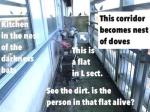 I have never in my life imagined this could happen in Denmark. A mafia of residents in one of CIVICA apartments use the housing company to occupy an empty
Some Support is Appreciated so Much!
When I get a new information, or a good read, my conscience tells me to be obliged to whom has added a drop of knowledge with some values in my life by doing some good deeds to him. Some links here get me a little power to support some people in need, indeed, by paying my subscription to international human organizations I am part of their generous good deeds. Like this at Awassa.
A Friend in Need is A Friend Indeed!
How many times have you fallen like a mountain, because you were great with your inspirations, guidance and professional teaching and later on found some people you made professional drawn in luxuries and never cared about you?
A hand up is better than a hand down. Share a link of a page you liked in great sites, but please not FACEBOOK. I am a man of principles.
A Man is Known by the Company he Keeps!
True, don't you think so? I can tell you stories and stories about that. Can you tell me one in details with the original cultures of the world it refers to? Take the cultural section by a huge and write that in the comments form.
Healthy Citizens are the Greatest Asset any Country can have!
It's true. But, he didn't know what ill governance can do for healthy citizens, or how ill monarchies can bring healthy citizens into miseries, or why great powers play by the fates of so many healthy citizens in the world.
Know any similar situations where healthy citizens are broken by the ruling elites in any country? Bring that into readers' attention through the comments form at Are You Intellectual?
Global Dynamics to Make Everyone Intellectual
Look for the top 100 Google most searched terms globally in 2021. You will not find any single thing that any person looks for and wants to know about, or use in daily life, such as food, health, education, cinema, tv, news, developing qualities and qualifications, playing, traveling, and even what causes Coronavirus and other pandemics, which are real threats to all people lives etc... You will find only search terms used for top social media, Youtube, search engines and Amazon. Political illiteracy is what matters to me to educate. See Global Dynamics & signup for the newsletter.
Like & Tweet to Express Your Love ❤️
My Books!
Horn Africas Political Tragedy on iTunes

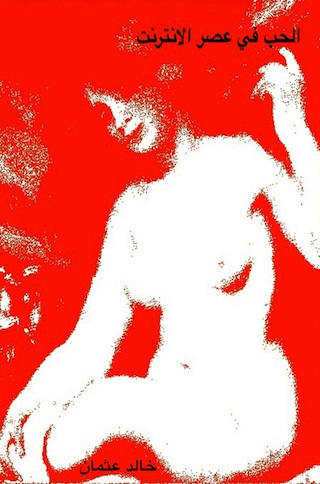
Love on the Internet Time on iTunesالحب في عصر الانترنت

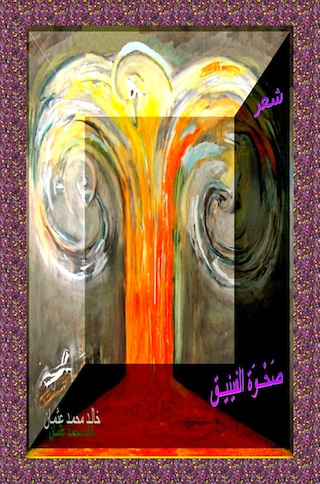
Rising of the Phoenix
صَحْوَة الفينيق

Want to Publish Your Book?
I publish it for you. PROVIDE good details about your book, when you Contact Us.
Publish Your Book
Let's be the publishers of your book. Use the form at Contact Us.
Contact Us and let's publish your book.
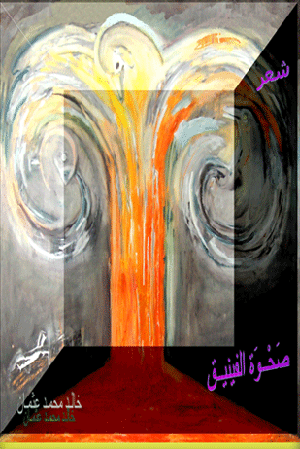


Do You Want this Arabic Poetry e-Book Free?
Well, subscribe to the HOA PoliticalScene newsletter here, or use the form below and then Contact Us to tell me that you came to it from this page.